



AD
2-Methyl-2-propanyl 3-(2-hydroxyethyl)-1-piperidinecarboxylate(CAS: 146667-84-7)
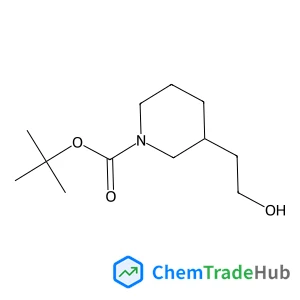
CAS Number
Related Products
![2-Methyl-2-propanyl [(2R)-1-hydroxy-2-propanyl]carbamate](https://static.chemtradehub.com/structs/106/106391-86-0-8397.webp)

3-Bromo-2,2-bis(bromomethyl)-1-propanol
CAS Number: 1522-92-5
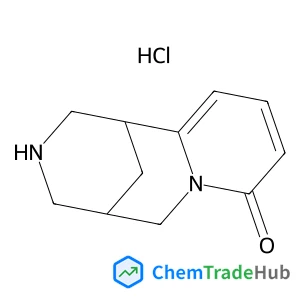
Cytisine hydrochloride
CAS Number: 6047-01-4
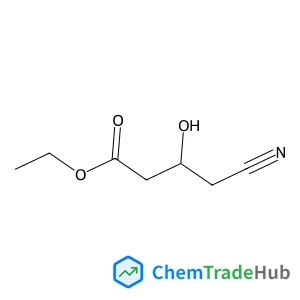
Atorvastatin Impurity 55
CAS Number: 141942-85-0
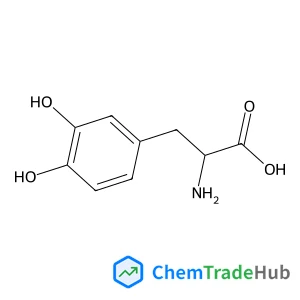
3-Hydroxy-D-tyrosine
CAS Number: 5796-17-8
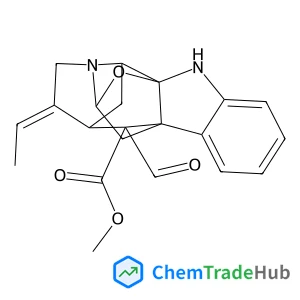
Picralinal
CAS Number: 20045-06-1
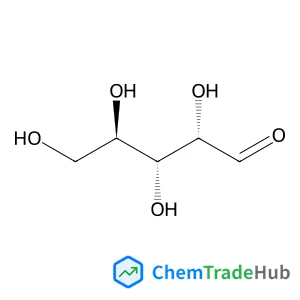
D-Arabinose
CAS Number: 9032-75-1
![(3aS,9R,9aS,9bS)-9-Hydroxy-6,9-dimethyl-3-methylene-3a,4,5,7,8,9,9a,9b-octahydroazuleno[4,5-b]furan-2(3H)-one](https://static.chemtradehub.com/structs/683/68370-47-8-daf4.webp)
Other Suppliers for 2-Methyl-2-propanyl 3-(2-hydroxyethyl)-1-piperidinecarboxylate





Basic Information
Molecular Formula
C12H23NO3
Molecular Weight
229.32 g/mol
Physical State
Colorless to Yellow Liquid
Physical Properties
Boiling Point
324℃ at 760 mmHg
Flash Point
149.79℃
Chemical Identifiers
SMILES
CC(C)(C)OC(=O)N1CCCC(C1)CCO
InChIKey
DXABICKZWDHPIP-UHFFFAOYSA-N
Database References
MDL Number
MFCD04114970
FAQ
2-Methyl-2-propanyl 3-(2-hydroxyethyl)-1-piperidinecarboxylate is a colorless to white crystalline solid with a molecular weight of approximately 251.36 g/mol. It is slightly soluble in water and miscible with organic solvents. Chemically, it is reactive towards bases and can undergo ester hydrolysis under certain conditions. It is also known for its amphoteric nature and ability to form salts.
2-Methyl-2-propanyl 3-(2-hydroxyethyl)-1-piperidinecarboxylate is typically synthesized via an esterification reaction between 2-methyl-2-propanol and 3-(2-hydroxyethyl)-1-piperidinecarboxylic acid. This process involves the use of an acid catalyst and is performed at a controlled temperature to ensure high yield and selectivity. The reaction is exothermic and requires careful temperature control to avoid side reactions.
2-Methyl-2-propanyl 3-(2-hydroxyethyl)-1-piperidinecarboxylate is primarily used in the pharmaceutical and cosmetic industries due to its chemical structure and reactivity. It serves as a starting material for the synthesis of various drugs and as a functional group for modifying other molecules. Additionally, it finds applications in the polymer industry for the development of specialty polymers.
When handling 2-Methyl-2-propanyl 3-(2-hydroxyethyl)-1-piperidinecarboxylate, it is important to wear appropriate personal protective equipment (PPE) such as gloves and safety goggles. The compound should be stored in a cool, dry place away from heat sources and incompatible materials. In the event of a spill, it should be handled according to standard laboratory procedures, and the Material Safety Data Sheet (MSDS) should be referenced for specific guidance. Good laboratory practices and fume hood use are recommended to ensure safety.
Safety Notice
Please verify product specifications and safety data before use. Contact the supplier for detailed safety information.
Always follow proper handling procedures
Contact Information
2423903095@qq.com