



AD
6-Chloro-3,4-pyridinediamine(CAS: 89182-17-2)
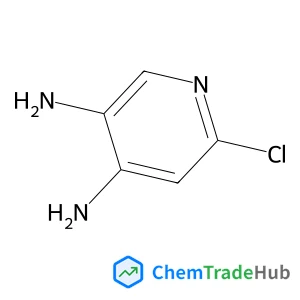
CAS Number
Related Products

2-Phenyl-9,10-anthraquinone
CAS Number: 6485-97-8

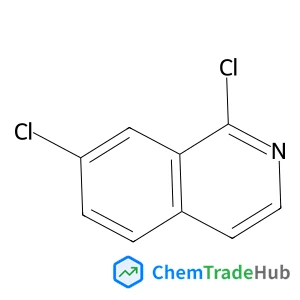
1,7-Dichloroisoquinoline
CAS Number: 70810-24-1
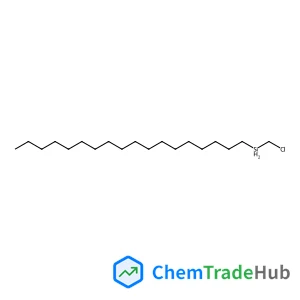
Silane, chloromethyloctadecyl-
CAS Number: 124694-97-9
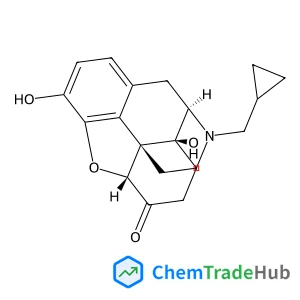
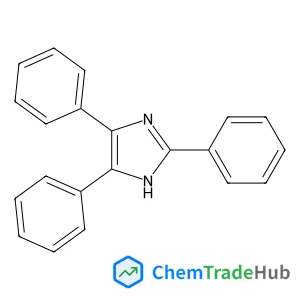
2,4,5-Triphenyl-1H-imidazole
CAS Number: 484-47-9
![[4-(Difluoromethoxy)phenyl]acetonitrile](https://static.chemtradehub.com/structs/414/41429-16-7-ae43.webp)
Other Suppliers for 6-Chloro-3,4-pyridinediamine







Basic Information
Molecular Formula
C5H6ClN3
Molecular Weight
143.58 g/mol
Physical Properties
Boiling Point
409.3°C at 760 mmHg
Density
1.447
Flash Point
201.3°C
Chemical Identifiers
SMILES
C1=C(C(=CN=C1Cl)N)N
InChIKey
OQRXBXNATIHDQO-UHFFFAOYSA-N
Database References
MDL Number
MFCD04037269
FAQ
6-Chloro-3,4-pyridinediamine (CAS: 89182-17-2) is classified as a hazardous chemical under the Globally Harmonized System of Classification and Labelling of Chemicals (GHS). It is also subject to REACH regulations in the European Union, requiring manufacturers and importers to register substances above a certain tonnage threshold. In the USA, the FDA and EPA may have additional requirements for its use and disposal, including handling, storage, and reporting under the Toxic Substances Control Act (TSCA).
There are several alternatives to 6-Chloro-3,4-pyridinediamine (CAS: 89182-17-2) in synthesis, including 6-methyl-3,4-pyridinediamine and 6-aminopyridine. These compounds can serve similar roles in certain reactions and may offer advantages in terms of reactivity or availability. Synthesis can also be tailored using isomers or analogs to achieve desired properties.
6-Chloro-3,4-pyridinediamine (CAS: 89182-17-2) has seen growing interest in pharmaceutical and materials research, particularly for its use as a building block in the synthesis of biologically active compounds. Market trends indicate increasing demand from industries seeking efficient and versatile intermediates for drug discovery and development. Research is also focusing on its potential applications in organic electronics and catalysis.
Waste containing 6-Chloro-3,4-pyridinediamine (CAS: 89182-17-2) should be collected in appropriate containers and stored under secure conditions to prevent environmental contamination. It should be treated through incineration or professional waste disposal methods to ensure compliance with local regulations. Environmental protection precautions include minimizing exposure to air, water, and soil, and proper documentation of waste management procedures is essential.
Safety Notice
Please verify product specifications and safety data before use. Contact the supplier for detailed safety information.
Always follow proper handling procedures
Contact Information
Contact Person
Li Jun
2801519207@qq.com