



AD
1,3-Bis(chloromethyl) Benzene(CAS: 626-16-4)
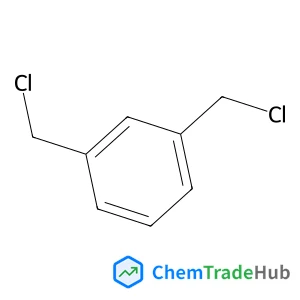
CAS Number
Related Products
![2-Methyl-2-propanyl [(2R)-1-hydroxy-2-propanyl]carbamate](https://static.chemtradehub.com/structs/106/106391-86-0-8397.webp)

3-Bromo-2,2-bis(bromomethyl)-1-propanol
CAS Number: 1522-92-5
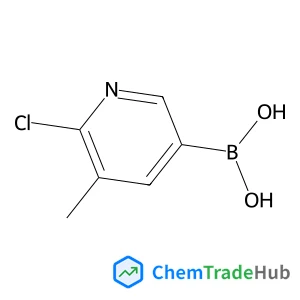
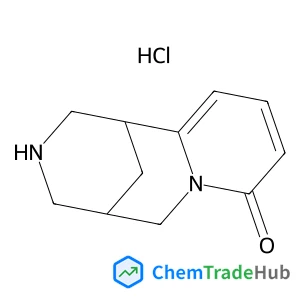
Cytisine hydrochloride
CAS Number: 6047-01-4
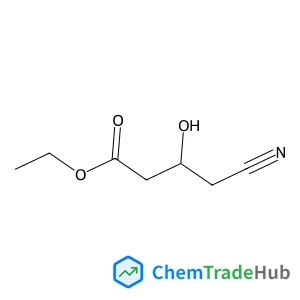
Atorvastatin Impurity 55
CAS Number: 141942-85-0
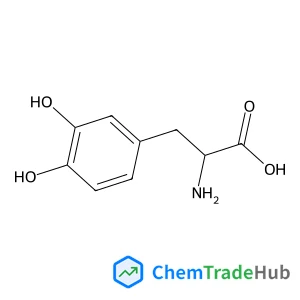
3-Hydroxy-D-tyrosine
CAS Number: 5796-17-8
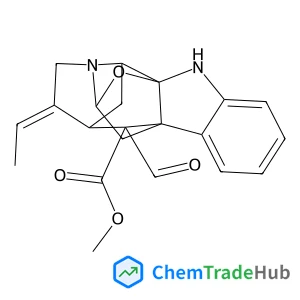
Picralinal
CAS Number: 20045-06-1
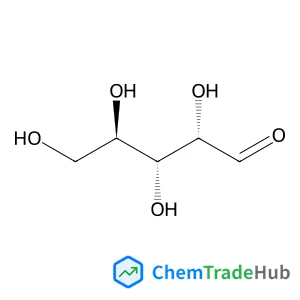
D-Arabinose
CAS Number: 9032-75-1
![(3aS,9R,9aS,9bS)-9-Hydroxy-6,9-dimethyl-3-methylene-3a,4,5,7,8,9,9a,9b-octahydroazuleno[4,5-b]furan-2(3H)-one](https://static.chemtradehub.com/structs/683/68370-47-8-daf4.webp)
Other Suppliers for 1,3-Bis(chloromethyl) Benzene



Basic Information
Molecular Formula
C8H8Cl2
Molecular Weight
175.06 g/mol
Physical Properties
Melting Point
33-37 ºC
Boiling Point
250-255 ºC
Density
1.202
Flash Point
112 ºC
Chemical Identifiers
SMILES
C1=CC(=CC(=C1)CCl)CCl
InChIKey
GRJWOKACBGZOKT-UHFFFAOYSA-N
Database References
MDL Number
MFCD00000912
Beilstein Registry Number
2079898
FAQ
1,3-Bis(chloromethyl) Benzene (CAS: 626-16-4) is a colorless crystalline solid at room temperature. It has a molecular weight of approximately 193.06 g/mol and a melting point of 55.5°C. This compound is poorly soluble in water but soluble in organic solvents like benzene and toluene. It is a reactive compound, showing affinity for nucleophiles and can undergo substitution reactions easily.
1,3-Bis(chloromethyl) Benzene is typically synthesized by the reaction of chloromethylbenzene with bromine in the presence of sodium hydroxide, followed by hydrolysis of the bromide. The overall process is selective and yields high purity products. Commonly, this is carried out in an inert solvent such as tetrahydrofuran (THF) to ensure safety and high yield.
1,3-Bis(chloromethyl) Benzene (CAS: 626-16-4) is used in various industries, including pharmaceuticals, where it serves as a precursor for the synthesis of active pharmaceutical ingredients (APIs). It is also utilized in the production of polymers and as a raw material for the development of sensors and semiconductors due to its unique reactivity and chemical properties.
When handling 1,3-Bis(chloromethyl) Benzene (CAS: 626-16-4), it is essential to use appropriate personal protective equipment (PPE) such as gloves, goggles, and a lab coat. The compound should be stored in a cool, dry place away from flammable materials. Fume hoods should be used during synthesis and handling to minimize exposure. In the event of a spill, immediate action should be taken according to the safety data sheet (SDS) to ensure safety and proper disposal.
Safety Notice
Please verify product specifications and safety data before use. Contact the supplier for detailed safety information.
Always follow proper handling procedures
Contact Information
2423903095@qq.com