



AD
2,2,4,4,6,6,8,8-Octamethyl-1,3,5,7,2,4,6,8-tetroxatetrasilocane(CAS: 556-67-2)
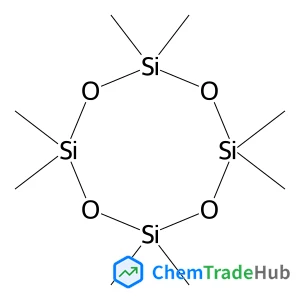
CAS Number
Related Products
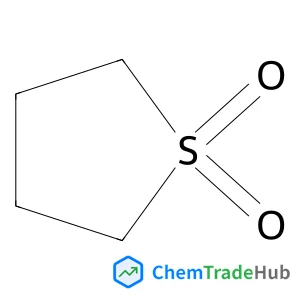
Tetrahydrothiophene 1,1-dioxide
CAS Number: 126-33-0
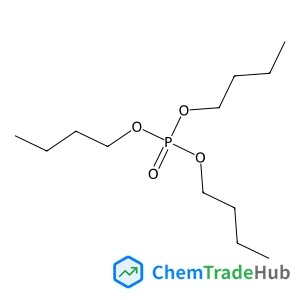
Tributyl phosphate
CAS Number: 126-73-8
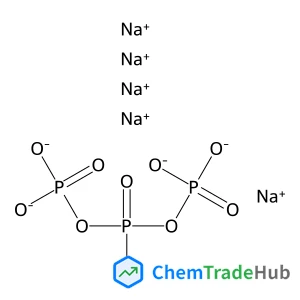
Pentasodium Triphosphate
CAS Number: 7758-29-4
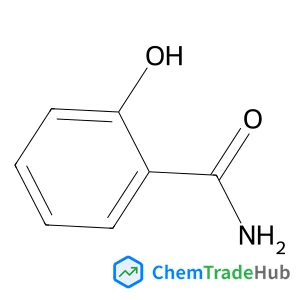
Salicylamide
CAS Number: 65-45-2
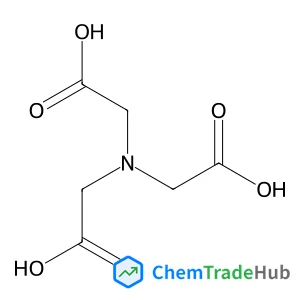
Nitrilotriacetic acid
CAS Number: 139-13-9
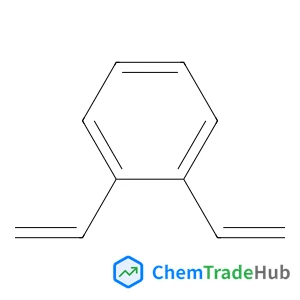
Divinylbenzene (Mixture of Isomers)
CAS Number: 1321-74-0
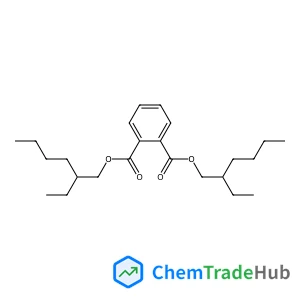
Bis(2-ethylhexyl) phthalate
CAS Number: 117-81-7
![[(chlorosulfonyl)imino]methanone](https://static.chemtradehub.com/structs/118/1189-71-5-f046.webp)
[(chlorosulfonyl)imino]methanone
CAS Number: 1189-71-5
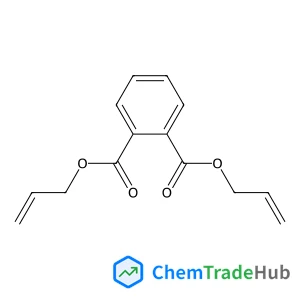
Diallyl phthalate
CAS Number: 131-17-9
Other Suppliers for 2,2,4,4,6,6,8,8-Octamethyl-1,3,5,7,2,4,6,8-tetroxatetrasilocane


Basic Information
Molecular Formula
C8H24O4Si4
Molecular Weight
296.62 g/mol
Physical Properties
Melting Point
17-18 °C (lit.)
Boiling Point
175-176 °C(lit.)
Chemical Identifiers
SMILES
C[Si]1(C)O[Si](C)(C)O[Si](O[Si](O1)(C)C)(C)C
InChIKey
HMMGMWAXVFQUOA-UHFFFAOYSA-N
Database References
MDL Number
MFCD00003269
Beilstein Registry Number
1787074
FAQ
2,2,4,4,6,6,8,8-Octamethyl-1,3,5,7,2,4,6,8-tetroxatetrasilocane (CAS: 556-67-2) is a synthetic organosilicon compound characterized by its complex structure of eight methyl groups and four oxygen atoms attached to a silicon-based backbone. It is a white solid with low solubility in water and is commonly used as a chemical intermediate in research and industrial applications.
This compound is primarily used in the synthesis of other silicon-containing materials, such as silicone oils and polymers. It also finds applications in pharmaceutical research, as a precursor for drug development, and in specialty chemical manufacturing where unique properties are required. Its use in food-related products is limited and typically requires specific regulatory approval.
2,2,4,4,6,6,8,8-Octamethyl-1,3,5,7,2,4,6,8-tetroxatetrasilocane (CAS: 556-67-2) is generally considered safe when handled properly. However, it is recommended to use appropriate protective equipment, such as gloves and goggles, during handling. Safety data sheets should be consulted to ensure compliance with handling and disposal guidelines for chemical safety.
This compound should be stored in a cool, dry, and dark place, away from moisture and direct sunlight. It is best kept in a sealed, airtight container to maintain stability. Storage conditions should be controlled to prevent degradation, and it is important to ensure proper ventilation to avoid exposure to fumes.
Safety Notice
Please verify product specifications and safety data before use. Contact the supplier for detailed safety information.
Always follow proper handling procedures
Contact Information
hf_group@163.com