



AD
4,8-Dichloro-2-methylquinoline(CAS: 75896-69-4)
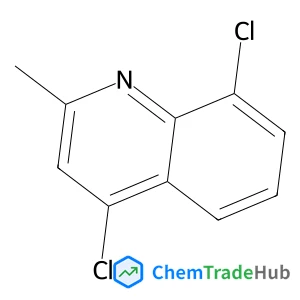
CAS Number
Related Products
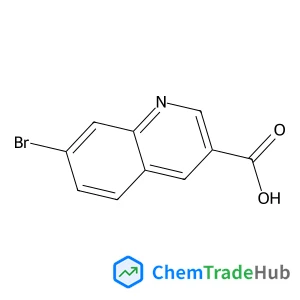
7-Bromoquinoline-3-carboxylic acid
CAS Number: 892874-34-9
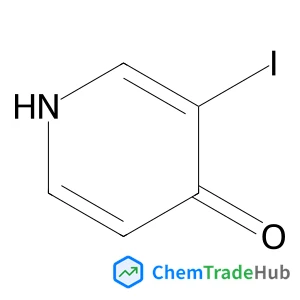
3-Iodo-4-pyridinol
CAS Number: 89282-03-1
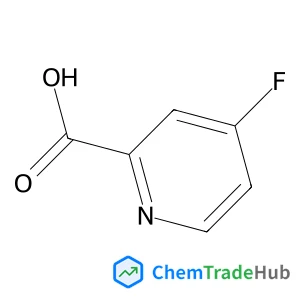
4-Fluoropicolinic acid
CAS Number: 886371-78-4
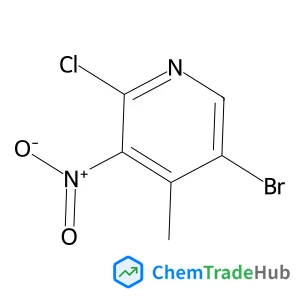
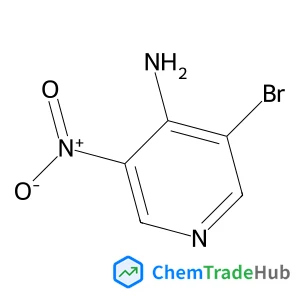
3-Bromo-5-nitropyridin-4-amine
CAS Number: 89284-05-9
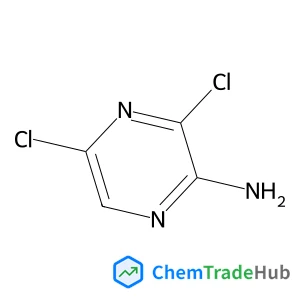
3,5-Dichloro-2-pyrazinamine
CAS Number: 873-42-7
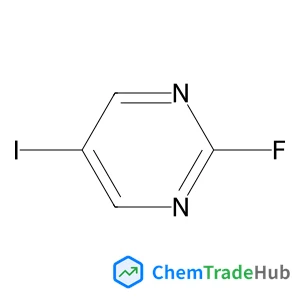
2-Fluoro-5-iodopyrimidine
CAS Number: 697300-79-1
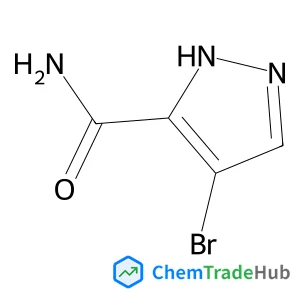
4-Bromo-1H-pyrazole-3-carboxamide
CAS Number: 932-65-0
Other Suppliers for 4,8-Dichloro-2-methylquinoline






Basic Information
Molecular Formula
C10H7Cl2N
Molecular Weight
212.08 g/mol
Chemical Identifiers
SMILES
CC1=CC(=C2C=CC=C(C2=N1)Cl)Cl
InChIKey
TYOVSFHFYHSADG-UHFFFAOYSA-N
Database References
MDL Number
MFCD00272414
FAQ
4,8-Dichloro-2-methylquinoline (CAS: 75896-69-4) falls under several regulatory frameworks, including GHS (Global Harmonized System of Classification and Labeling of Chemicals) for hazardous labeling, REACH (Registration, Evaluation, Authorization and Restriction of Chemicals) for European markets, and FDA and EPA requirements for safety and environmental protection. It is classified as a hazardous substance due to its corrosive and toxic properties.
Alternatives to 4,8-Dichloro-2-methylquinoline include other quinolines with various substituents, such as 7-chloroquinoline or 8-chloroquinoline. Isomers like 2,7-dichloroquinoline can also be used. In some cases, synthetic routes may involve using aniline derivatives or other aromatic compounds as starting materials, depending on the specific application.
The market for 4,8-Dichloro-2-methylquinoline (CAS: 75896-69-4) is driven by its applications in organic synthesis, pharmaceuticals, and agrochemicals. Research trends focus on exploring its potential as a precursor in drug synthesis, pesticide development, and as a functional material in electronics. Price trends reflect the compound's demand in these industries, with fluctuations based on supply and specific market needs.
Waste containing 4,8-Dichloro-2-methylquinoline (CAS: 75896-69-4) should be collected in appropriate containers, ensuring it is not mixed with other chemicals. Proper incineration is recommended for disposal, following local regulations. Alternatively, professional waste disposal services can be utilized. Environmental protection measures include minimizing exposure and adhering to safety precautions to prevent contamination of water sources and soil.
Safety Notice
Please verify product specifications and safety data before use. Contact the supplier for detailed safety information.
Always follow proper handling procedures
Contact Information
sales@ace-pharm.com