



AD
Pyridine hydrobromide (1:1)(CAS: 18820-82-1)

CAS Number
Related Products

2-Bromo-4-fluorobenzaldehyde
CAS Number: 59142-68-6
![N-[7-(Dimethylsulfamoyl)-2,1,3-benzoxadiazol-4-yl]-N-methylglycyl chloride](https://static.chemtradehub.com/structs/156/156153-43-4-e00e.webp)
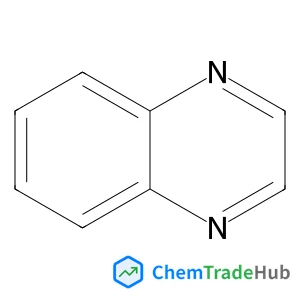
Quinoxaline
CAS Number: 91-19-0
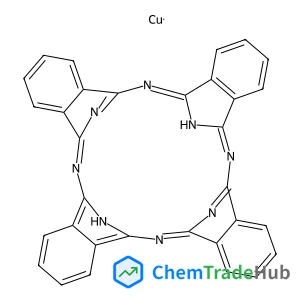
Copper(2+) phthalocyanine-6,30-diide
CAS Number: 147-14-8
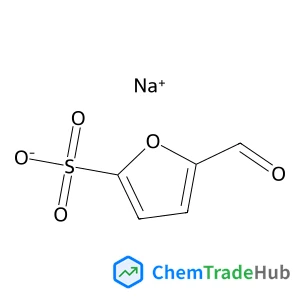
Sodium 5-formyl-2-furansulfonate
CAS Number: 31795-44-5
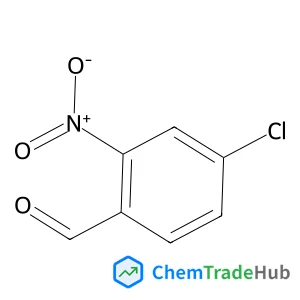
4-Chloro-2-nitrobenzaldehyde
CAS Number: 5551-11-1

1,2-Dimethoxy-3-methylbenzene
CAS Number: 4463-33-6
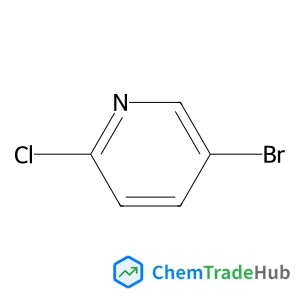
5-Bromo-2-chloropyridine
CAS Number: 53939-30-3
Other Suppliers for Pyridine hydrobromide (1:1)



Basic Information
Molecular Formula
C5H6BrN
Molecular Weight
160.01 g/mol
EINECS
242-600-7
Physical State
White to Light yellow to Light orange
Physical Properties
Melting Point
200 °C (dec.)(lit.)
Boiling Point
115.3°C at 760 mmHg
Density
0.956
Flash Point
20 °C
Water Solubility
Soluble in water.
Chemical Identifiers
SMILES
C1=CC=NC=C1.Br
InChIKey
BBFCIBZLAVOLCF-UHFFFAOYSA-N
Database References
MDL Number
MFCD00012801
Beilstein Registry Number
3615336
FAQ
Pyridine hydrobromide (1:1) is a chemical compound formed by the reaction of pyridine with hydrogen bromide in a 1:1 molar ratio. It has the molecular formula C5H6BrN and is a brominated derivative of pyridine. This compound is typically a yellow solid with a pungent odor and is known for its hygroscopic nature. It is commonly used in organic synthesis as an intermediate and has applications in various chemical processes due to its reactivity and stability under controlled conditions.
Pyridine hydrobromide (1:1) is primarily used in pharmaceutical and chemical industries as a reagent for the synthesis of various organic compounds. It serves as a key intermediate in the production of drugs, dyes, and pesticides. Additionally, it is employed in research for its ability to participate in nucleophilic substitution reactions. Its unique chemical properties make it valuable in multiple applications, including the preparation of other pyridine derivatives and as a catalyst in certain reactions.
Pyridine hydrobromide (1:1) is considered hazardous and requires careful handling. It is toxic by inhalation and can cause skin and eye irritation. Protective measures such as gloves, goggles, and a fume hood are necessary when working with this compound. Safety standards recommend avoiding exposure and following proper disposal protocols. It is classified as a harmful substance and should be used in well-ventilated areas with appropriate personal protective equipment.
Pyridine hydrobromide (1:1) should be stored in a cool, dry, and well-ventilated area, away from light and moisture. It is typically kept in a sealed container made of glass or stainless steel to prevent contamination. Storage conditions should maintain a temperature below 25°C and humidity levels below 60%. Due to its hygroscopic and reactive nature, it is important to store it properly to ensure stability and safety during handling and use.
Safety Notice
Please verify product specifications and safety data before use. Contact the supplier for detailed safety information.
Always follow proper handling procedures
Contact Information
cdhxsj@163.com
Mobile
13458535857
Telephone
400-1166-196
Fax
028-84555506
Visit Website
https://www.hx-r.com