



AD
5-Ethyl-2,3-dimethylpyrazine(CAS: 15707-34-3)
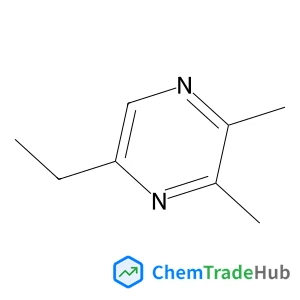
CAS Number
Related Products
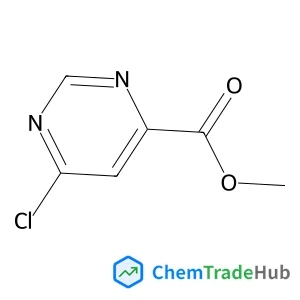
Methyl 6-chloro-4-pyrimidinecarboxylate
CAS Number: 6627-22-1

2-Fluoropyridine
CAS Number: 372-48-5

5-Bromo-2-methyl-3-nitropyridine
CAS Number: 911434-05-4

2-Bromonicotinic acid
CAS Number: 35905-85-2


6-Bromonicotinic acid
CAS Number: 6311-35-9


2-(2-Pyrazinyl)ethanethiol
CAS Number: 35250-53-4
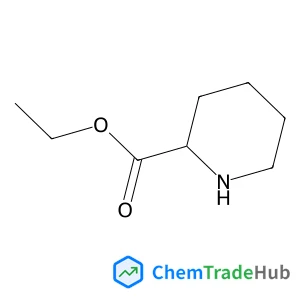
Ethyl 2-piperidinecarboxylate
CAS Number: 15862-72-3
Other Suppliers for 5-Ethyl-2,3-dimethylpyrazine





Basic Information
Molecular Formula
C8H12N2
Molecular Weight
136.2 g/mol
Physical Properties
Boiling Point
76°C/15mmHg(lit.)
Chemical Identifiers
SMILES
CCC1=CN=C(C(=N1)C)C
InChIKey
CIBKSMZEVHTQLG-UHFFFAOYSA-N
Database References
MDL Number
MFCD04038059
FAQ
5-Ethyl-2,3-dimethylpyrazine (CAS: 15707-34-3) is subject to the Globally Harmonized System of Classification and Labeling of Chemicals (GHS) for classification and labeling purposes. In Europe, it must comply with REACH regulations, which include registration, evaluation, authorization, and restriction of chemicals. Additionally, it is regulated by the U.S. Environmental Protection Agency (EPA) and the U.S. Food and Drug Administration (FDA) for use in consumer products and food additives, respectively. Compliance with these guidelines is essential to ensure safe handling and use.
Alternative reagents can be used in the synthesis of pyrazine derivatives, such as 5-methyl-2,3-dimethylpyrazine or 2,3-diethylpyrazine. These analogs may offer similar or different functional properties, depending on the specific application. Common substitutes include other pyrazine derivatives and related heterocycles that can be used as flavoring agents or in the production of fragrances and other chemical products.
The market for 5-Ethyl-2,3-dimethylpyrazine (CAS: 15707-34-3) is primarily driven by its use as a flavoring agent in the food and beverage industry. Research trends are focused on the development of new flavor profiles and the expansion of its applications in the cosmetic and fragrance industries. Additionally, there is growing interest in its potential use as a food additive and its role in enhancing the sensory experience of consumers. Pricing trends suggest a stable market with minor fluctuations based on supply and demand dynamics.
Waste containing 5-Ethyl-2,3-dimethylpyrazine (CAS: 15707-34-3) should be collected in appropriate containers and stored in a well-ventilated area until disposal. For small quantities, incineration can be a suitable method of disposal, provided it meets the local air pollution control standards. For larger quantities, professional waste disposal services should be utilized to ensure compliance with environmental regulations. Proper handling and disposal are essential to prevent environmental contamination and ensure the safety of workers and the public.
Safety Notice
Please verify product specifications and safety data before use. Contact the supplier for detailed safety information.
Always follow proper handling procedures
Contact Information
Contact Person
Manager Wang
hope2084@163.com