



AD
2,3-Diethylpyrazine(CAS: 15707-24-1)
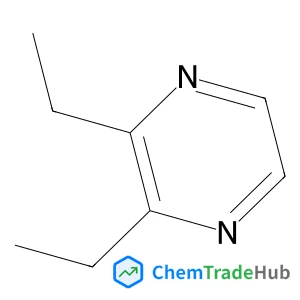
CAS Number
Related Products
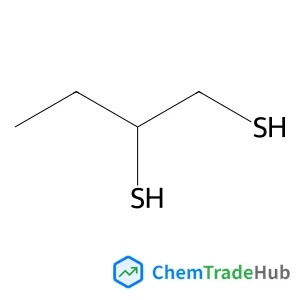
1,2-Butanedithiol
CAS Number: 16128-68-0
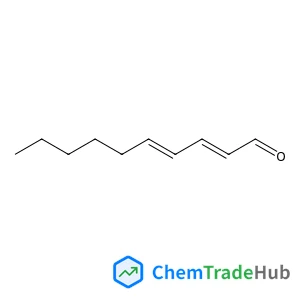
(2E,4E)-2,4-Decadienal
CAS Number: 25152-84-5
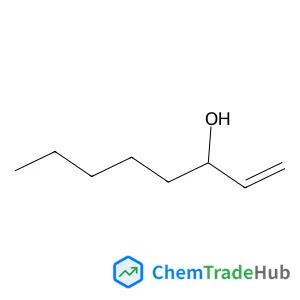
1-Octen-3-ol
CAS Number: 3391-86-4
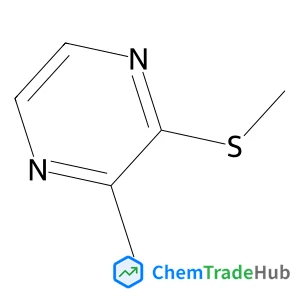
2-Methyl-3-(methylthio)pyrazine
CAS Number: 2882-20-4
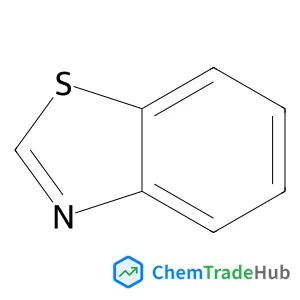
1,3-Benzothiazole
CAS Number: 95-16-9
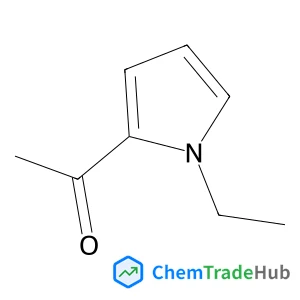
1-(1-Ethyl-1H-pyrrol-2-yl)ethanone
CAS Number: 39741-41-8
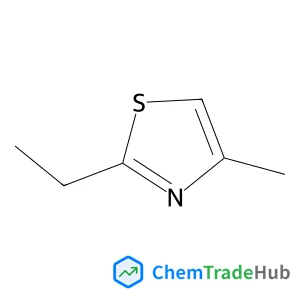
2-Ethyl-4-methyl-1,3-thiazole
CAS Number: 15679-12-6
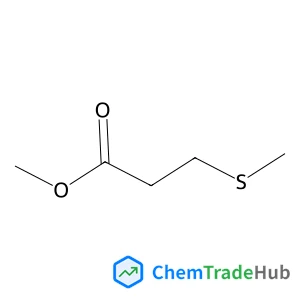
Methyl 3-(methylsulfanyl)propanoate
CAS Number: 13532-18-8
![2,2'-[Disulfanediylbis(methylene)]difuran](https://static.chemtradehub.com/structs/443/4437-20-1-2a62.webp)
Other Suppliers for 2,3-Diethylpyrazine





Basic Information
Molecular Formula
C8H12N2
Molecular Weight
136.2 g/mol
Physical Properties
Boiling Point
71°C/12mmHg(lit.)
Chemical Identifiers
SMILES
CCc1c(nccn1)CC
InChIKey
GZXXANJCCWGCSV-UHFFFAOYSA-N
Database References
MDL Number
MFCD00006151
FAQ
2,3-Diethylpyrazine (CAS: 15707-24-1) is a colorless liquid with a strong, pleasant aroma. It has a molecular weight of approximately 112.14 g/mol. The compound is slightly soluble in water but miscible with common organic solvents like ethanol and acetone. It is stable under normal conditions but can react with strong oxidizers. Its vapor pressure is relatively low, and it has a distinct odor at low concentrations.
2,3-Diethylpyrazine is synthesized via the condensation of ethyl cyanoacetate and ethyl isocyanide. The reaction proceeds under mild conditions with a yield of about 75%. Commonly, azeotropic distillation is used to purify the product. Catalysts such as p-toluenesulfonic acid can enhance the selectivity and yield of the product.
2,3-Diethylpyrazine (CAS: 15707-24-1) is widely used in the food and flavor industry as a flavor enhancer due to its pleasant aroma. It also finds applications in the perfume industry as a fragrance component. Additionally, it is used in the pharmaceutical industry as a flavoring agent for medicines and in the polymer industry for plastic fragrance additives.
When handling 2,3-Diethylpyrazine (CAS: 15707-24-1), it is essential to wear appropriate personal protective equipment (PPE), including safety goggles, gloves, and a lab coat. Work in a well-ventilated area or a fume hood to avoid inhalation. Spills should be cleaned up using a suitable absorbent material, and the area should be flushed with water. Refer to the Safety Data Sheet (SDS) for detailed handling and disposal instructions.
Safety Notice
Please verify product specifications and safety data before use. Contact the supplier for detailed safety information.
Always follow proper handling procedures
Contact Information
pascolo@163.com