



AD
Glyphosate(CAS: 1071-83-6)
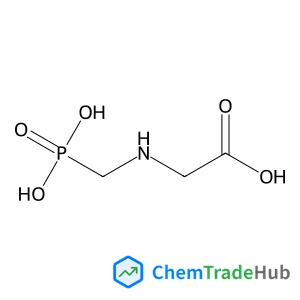
CAS Number
Related Products
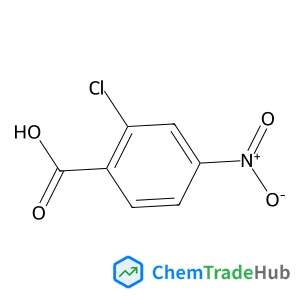
2-Chloro-4-nitrobenzoic Acid
CAS Number: 99-60-5
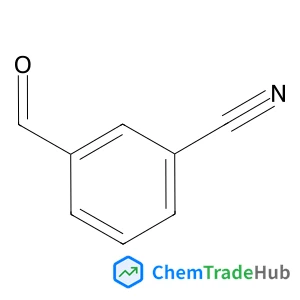
3-Formylbenzonitrile
CAS Number: 24964-64-5
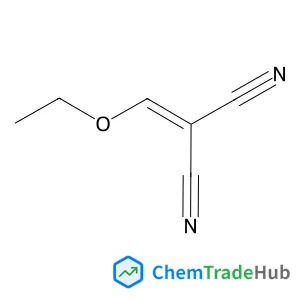
(Ethoxymethylene)malononitrile
CAS Number: 123-06-8
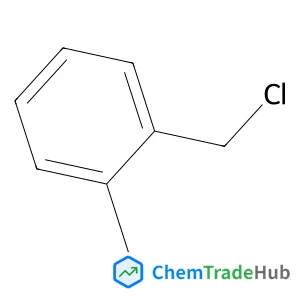
1-(Chloromethyl)-2-methylbenzene
CAS Number: 552-45-4
![Disodium 5-[(E)-{4-[(2-carboxylatoethyl)carbamoyl]phenyl}diazenyl]-2-hydroxybenzoate](https://static.chemtradehub.com/structs/821/82101-18-6-8f15.webp)
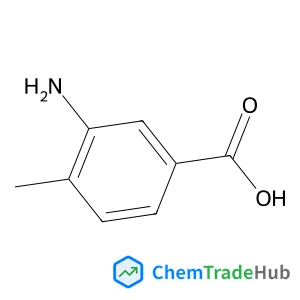
3-Amino-4-methylbenzoic acid
CAS Number: 2458-12-0
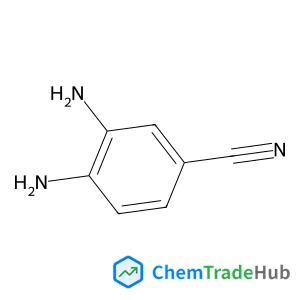
3,4-Diaminobenzonitrile
CAS Number: 17626-40-3
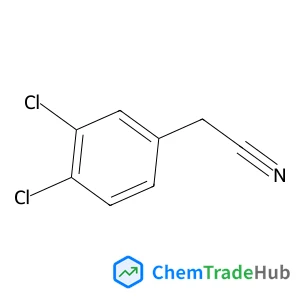
(3,4-Dichlorophenyl)acetonitrile
CAS Number: 3218-49-3
Other Suppliers for Glyphosate




Basic Information
Molecular Formula
C3H8NO5P
Molecular Weight
169.07 g/mol
Physical Properties
Melting Point
230 °C (dec.) (lit.)
Boiling Point
465.8±55.0 °C at 760 mmHg
Flash Point
230°C
Water Solubility
1.2 g/100 mL
Chemical Identifiers
SMILES
OC(=O)CNCP(=O)(O)O
InChIKey
XDDAORKBJWWYJS-UHFFFAOYSA-N
Database References
MDL Number
MFCD00055350
Beilstein Registry Number
2045054
FAQ
Glyphosate is a widely used herbicide with the chemical formula C3H8NO5P. It is a colorless, odorless solid that is water-soluble and commonly formulated as a liquid for agricultural use. Glyphosate works by inhibiting the enzyme EPSP synthase, which is essential for plant growth, making it effective against a broad range of weeds.
Glyphosate is primarily used in agriculture as a non-selective herbicide to control weeds in crops like soybeans, corn, and cotton. It is also employed in industrial settings for weed management in infrastructure projects and in research for studying plant physiology and environmental impact. Its versatility makes it a key component in integrated pest management strategies.
Glyphosate is generally considered safe when used according to guidelines, but it can be toxic if mishandled. It is classified as a possible human carcinogen by the International Agency for Research on Cancer (IARC), and proper protective measures such as gloves, goggles, and respiratory equipment are recommended during application. Safety standards vary by country and require adherence to specific handling protocols to minimize exposure.
Glyphosate should be stored in a cool, dry, and well-ventilated area, away from direct sunlight. It is best kept in a sealed container at a temperature between 5°C and 25°C, with humidity levels below 60%. Avoid exposure to moisture and ensure proper labeling to maintain stability and safety during storage.
Safety Notice
Please verify product specifications and safety data before use. Contact the supplier for detailed safety information.
Always follow proper handling procedures