



AD
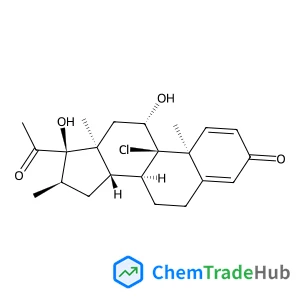
(11beta,16alpha)-9-Chloro-11,17-dihydroxy-16-methylpregna-1,4-diene-3,20-dione(CAS: 57780-86-6)
CAS Number
Related Products
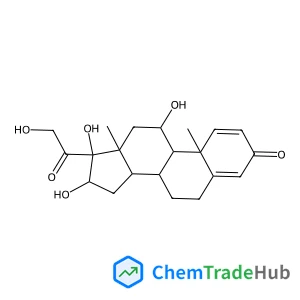
16α-Hydroxyprednisolone
CAS Number: 13951-70-7
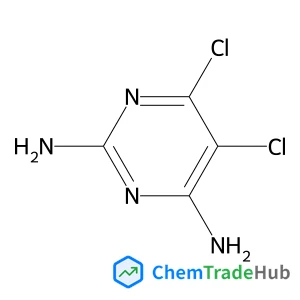
5,6-Dichloro-2,4-pyrimidinediamine
CAS Number: 89033-89-6
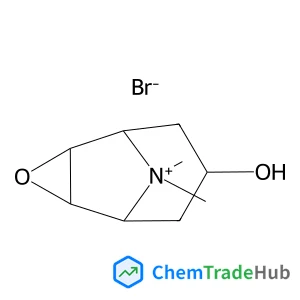
Scopine Methobromide
CAS Number: 1508-46-9
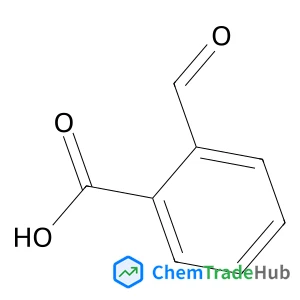
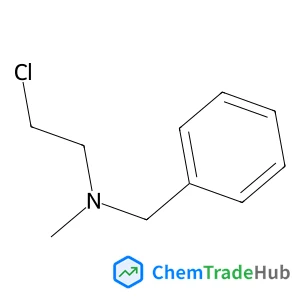
N-benzyl-2-chloro-N-methylethanamine
CAS Number: 17542-47-1
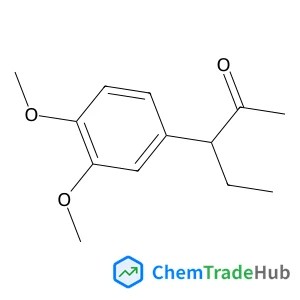
3-(3,4-Dimethoxyphenyl)-2-pentanone
CAS Number: 105638-31-1
![(2,4-Dimethylphenyl)[2-(1-piperazinyl)phenyl]sulfoniumolate](https://static.chemtradehub.com/structs/142/1429908-35-9-dc1a.webp)
Other Suppliers for (11beta,16alpha)-9-Chloro-11,17-dihydroxy-16-methylpregna-1,4-diene-3,20-dione


Basic Information
Molecular Formula
C22H29ClO4
Molecular Weight
392.92 g/mol
Physical State
White to Off-White
Physical Properties
Melting Point
>255° (dec.)
Boiling Point
No data available
Density
No data available
Flash Point
No data available
Chemical Identifiers
SMILES
CC(=O)[C@@]1(O)[C@H](C)C[C@H]2[C@@H]3CCC4=CC(=O)C=C[C@]4(C)[C@@]3(Cl)[C@@H](O)C[C@]12C
InChIKey
PPHLHSSXDSBOAQ-QAHQDLQKSA-N
Database References
FAQ
This compound is classified under GHS as a hazardous substance due to its potential toxicity. Regulatory guidelines include compliance with REACH regulations for registration, evaluation, authorization, and restriction of chemicals. FDA and EPA regulations may apply for its use in pharmaceuticals and environmental discharge, respectively. It is essential to adhere to local and international safety standards for handling and storage.
There are several alternatives that can be used in its synthesis, such as other steroids with similar functional groups or different chlorinated derivatives. Commonly, researchers may opt for analogs like (11beta,16alpha)-9-Chloro-11,17-dihydroxy-16-methylpregna-4-diene-3,20-dione or other alkylated or substituted steroids as practical alternatives. These alternatives offer similar structural features while potentially simplifying the synthesis process.
Market trends for this compound show increasing interest in its application in pharmaceutical research, particularly in the development of novel hormonal drugs. Research trends indicate a focus on exploring its potential as a sex hormone or its derivatives in various therapeutic areas. Additionally, there is a growing emphasis on understanding its pharmacological properties and safety profiles.
Waste containing this compound should be collected in appropriate containers, sealed, and labeled as hazardous. It should be stored in a secure, well-ventilated area away from ignition sources. Disposal should follow local regulations, often requiring incineration in an approved facility or professional waste disposal. Ensure that all handling procedures comply with safety and environmental protection guidelines to prevent exposure and environmental contamination.
Safety Notice
Please verify product specifications and safety data before use. Contact the supplier for detailed safety information.
Always follow proper handling procedures
Contact Information
Contact Person
Manager Sun
sunqz@jewim.com.cn
Mobile
18653879360
Telephone
0538-8923460
Visit Website
http://www.jewimpharm.comAddress
High-tech Industry Development Zone, Tanchengmen Avenue West End, Taian City, Shandong Province