



AD
Benzoic acid, 4-(2-phenyldiazenyl)-(CAS: 1562-93-2)
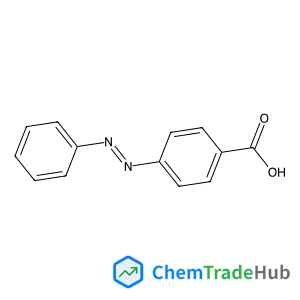
CAS Number
Related Products
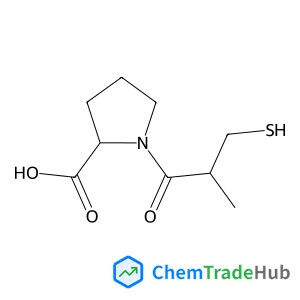
Captopril
CAS Number: 62571-86-2
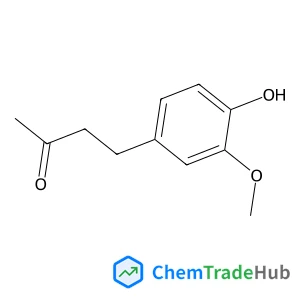
4-(4-Hydroxy-3-methoxyphenyl)-2-butanone
CAS Number: 122-48-5
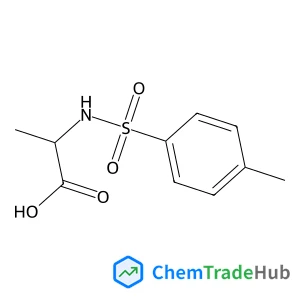
N-Tosyl-L-alanine
CAS Number: 21957-58-4

Alanyl-L-tyrosine
CAS Number: 3061-88-9
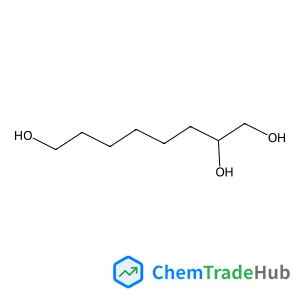
Octane-1,2,8-triol
CAS Number: 382631-43-8
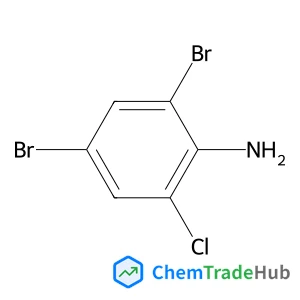
2,4-Dibromo-6-chloroaniline
CAS Number: 874-18-0
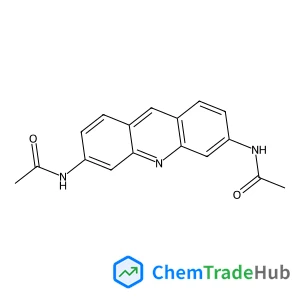
N,N'-3,6-Acridinediyldiacetamide
CAS Number: 15724-70-6
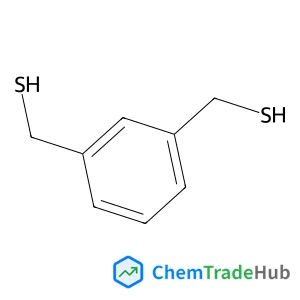
1,3-Phenylenedimethanethiol
CAS Number: 41563-69-3
Other Suppliers for Benzoic acid, 4-(2-phenyldiazenyl)-







Basic Information
Molecular Formula
C13H10N2O2
Molecular Weight
226.23 g/mol
Physical Properties
Melting Point
247-250 °C (lit.)
Boiling Point
418.1ºC at 760mmHg
Density
1.19g/cm3
Flash Point
206.7ºC
Chemical Identifiers
SMILES
C1=CC=C(C=C1)N=NC2=CC=C(C=C2)C(=O)O
InChIKey
CSPTZWQFHBVOLO-UHFFFAOYSA-N
Database References
MDL Number
MFCD00020348
FAQ
Benzoic acid, 4-(2-phenyldiazenyl) (CAS: 1562-93-2) is a solid with a crystalline form at room temperature. Its molecular weight is approximately 230.25 g/mol. It has limited water solubility and is more soluble in organic solvents. It is moderately reactive, particularly in acidic conditions. This compound is used in various applications due to its aromatic diazenyl group and carboxylic acid functionality.
Benzoic acid, 4-(2-phenyldiazenyl) (CAS: 1562-93-2) can be synthesized via diazotization of a substituted aniline followed by coupling with benzoic acid. Commonly used catalysts include HCl or H2SO4, and the synthesis involves careful control of pH and temperature to achieve the desired yield and selectivity.
Benzoic acid, 4-(2-phenyldiazenyl) (CAS: 1562-93-2) is used in the pharmaceutical industry for the synthesis of certain drug intermediates. It also finds applications in polymer production, where its diazenyl group can be used for functionalization. Additionally, it is employed in the development of sensors and semiconductors, leveraging its unique chemical structure.
When handling Benzoic acid, 4-(2-phenyldiazenyl) (CAS: 1562-93-2), ensure proper personal protective equipment (PPE) including gloves, goggles, and a lab coat. Work should be conducted in a well-ventilated area or a fume hood. Spills should be managed with appropriate absorbent materials, and the spill area should be cleaned thoroughly. Always refer to the Safety Data Sheet (SDS) for detailed handling and disposal instructions.
Safety Notice
Please verify product specifications and safety data before use. Contact the supplier for detailed safety information.
Always follow proper handling procedures
Contact Information
Contact Person
Zhang Zeyuan
Sales-CN@TCIchemicals.com