



AD
3-Aminodihydro-2(3H)-furanone hydrobromide (1:1)(CAS: 6305-38-0)
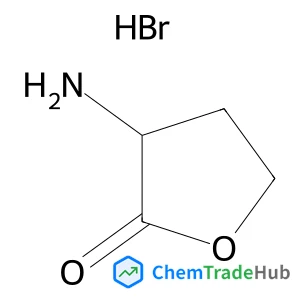
CAS Number
Related Products
![[(1alpha,6beta,14alpha,16beta)-20-Ethyl-7,8-dihydroxy-1,6,14,16-tetramethoxyaconitan-4-yl]methyl 2-[(3S)-3-methyl-2,5-dioxo-1-pyrrolidinyl]benzoate 2-hydroxy-1,2,3-propanetricarboxylate (1:1)](https://static.chemtradehub.com/structs/351/351344-10-0-4e0e.webp)
![4-[(E)-2-(4-Carbamimidoylphenyl)vinyl]-3-hydroxybenzenecarboximidamide methanesulfonate (1:2)](https://static.chemtradehub.com/structs/223/223769-64-0-1600.webp)
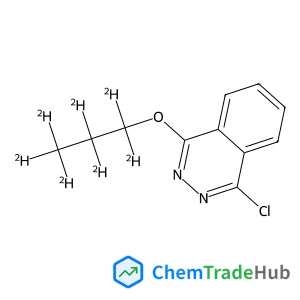
![(6R,7R)-3-(acetyloxymethyl)-7-[[(2Z)-2-(furan-2-yl)-2-methoxyiminoacetyl]amino]-8-oxo-5-thia-1-azabicyclo[4.2.0]oct-2-ene-2-carboxylic acid](https://static.chemtradehub.com/structs/396/39685-31-9-f1d8.webp)
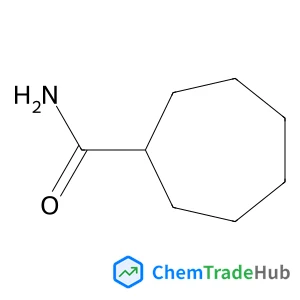
Cycloheptanecarboxamide
CAS Number: 1459-39-8
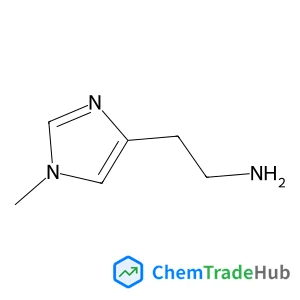
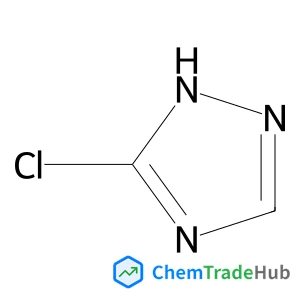
3-Chloro-1H-1,2,4-triazole
CAS Number: 6818-99-1
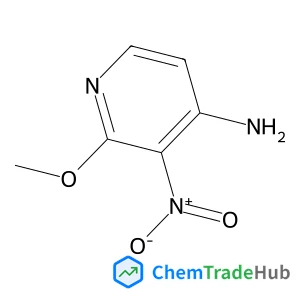
2-Methoxy-3-nitro-4-pyridinamine
CAS Number: 33623-16-4
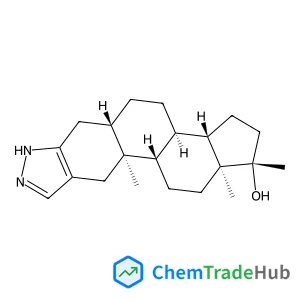
Stanozolol
CAS Number: 10418-03-8
Other Suppliers for 3-Aminodihydro-2(3H)-furanone hydrobromide (1:1)





Basic Information
Molecular Formula
C4H8BrNO2
Molecular Weight
182.02 g/mol
Physical Properties
Melting Point
220-225 °C (lit.)
Boiling Point
257.1°C at 760 mmHg
Flash Point
120.1°C
Water Solubility
almost transparency
Chemical Identifiers
SMILES
O=C1OCCC1N.[H]Br
InChIKey
MKLNTBLOABOJFZ-UHFFFAOYSA-N
Database References
MDL Number
MFCD00012723
FAQ
3-Aminodihydro-2(3H)-furanone hydrobromide (CAS: 6305-38-0) is a crystalline compound with a molecular weight of approximately 219.05 g/mol. It has a low solubility in water but is soluble in organic solvents. This compound is relatively stable but can react with strong oxidizers. It is commonly used as a starting material in organic synthesis and as a reagent in various chemical reactions.
3-Aminodihydro-2(3H)-furanone hydrobromide (CAS: 6305-38-0) is typically synthesized through the reaction of 3-hydroxy-2(3H)-furanone with hydrobromic acid. The process involves the substitution of a hydroxyl group with a bromide ion, followed by the formation of the 3-aminodihydro-2(3H)-furanone hydrobromide. The reaction is conducted under acidic conditions, and the product is purified by recrystallization.
3-Aminodihydro-2(3H)-furanone hydrobromide (CAS: 6305-38-0) is used in various industries, including pharmaceuticals, where it serves as a building block for drug synthesis. It is also employed in the production of polymers and as a reagent in sensor applications and semiconductor manufacturing. Its versatility makes it a valuable compound across multiple sectors.
When handling 3-Aminodihydro-2(3H)-furanone hydrobromide (CAS: 6305-38-0), it is essential to wear appropriate personal protective equipment (PPE) such as gloves, goggles, and a lab coat. Work in a well-ventilated area or a fume hood to minimize inhalation risks. Spills should be cleaned up using appropriate absorbent materials, and the area should be thoroughly washed down. Always consult the safety data sheet (SDS) for specific handling and disposal instructions.
Safety Notice
Please verify product specifications and safety data before use. Contact the supplier for detailed safety information.
Always follow proper handling procedures

Contact Information
order@canspecsci.com
Mobile
15021221957
Telephone
021-59553580
Fax
021-59553580-8012
Visit Website
https://www.canspec.cn