



AD
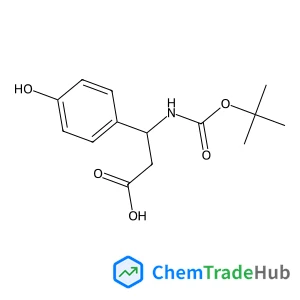
BOC-(R)-3-AMINO-3-(4-HYDROXY-PHENYL)-PROPIONIC ACID(CAS: 329013-12-9)
CAS Number
Related Products
![3-Cyclopropyl-1-(2-fluoro-4-iodophenyl)-5-hydroxy-6,8-dimethylpyrido[2,3-d]pyrimidine-2,4,7(1H,3H,8H)-trione](https://static.chemtradehub.com/structs/871/871700-24-2-c5dd.webp)
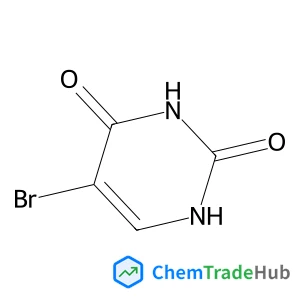
5-Bromo-2,4(1H,3H)-pyrimidinedione
CAS Number: 51-20-7
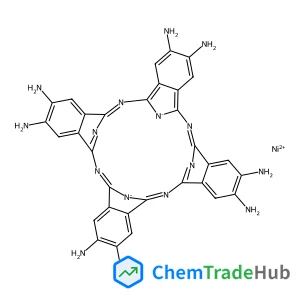
![3-Iodo-1H-pyrrolo[2,3-b]pyridine-4-carbonitrile](https://static.chemtradehub.com/structs/956/956485-59-9-1f04.webp)
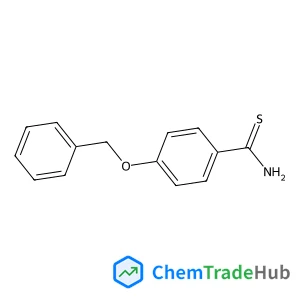
4-Benzyloxy-thiobenzamide
CAS Number: 161975-22-0
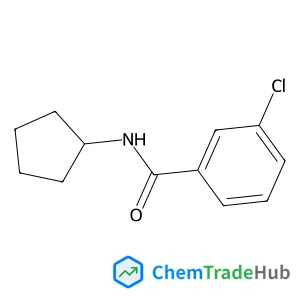
3-Chloro-N-cyclopentylbenzamide
CAS Number: 349128-33-2
Other Suppliers for BOC-(R)-3-AMINO-3-(4-HYDROXY-PHENYL)-PROPIONIC ACID






Basic Information
Molecular Formula
C14H19NO5
Molecular Weight
281.3 g/mol
Physical Properties
Boiling Point
476.7 °C at 760 mmHg
Density
1.236
Flash Point
476.7 °C at 760 mmHg
Chemical Identifiers
SMILES
CC(C)(C)OC(=O)NC(CC(=O)O)C1=CC=C(C=C1)O
InChIKey
VHBNWQLIRVDMMR-LLVKDONJSA-N
Database References
MDL Number
MFCD03427941
FAQ
BOC-(R)-3-AMINO-3-(4-HYDROXY-PHENYL)-PROPIONIC ACID (CAS: 329011-12-9) is subject to regulatory guidelines such as REACH, which requires registration, evaluation, and authorization by the European Chemicals Agency. In the United States, it must comply with FDA regulations for pharmaceutical and biotech applications, and EPA standards for environmental protection. Additionally, it may require specific handling and disposal guidelines under OSHA and GHS labeling requirements.
Alternatives to BOC-(R)-3-AMINO-3-(4-HYDROXY-PHENYL)-PROPIONIC ACID (CAS: 329013-12-9) in synthesis include related amino acids and derivatives. Common alternatives include Boc-(S)-3-aminophenylpropionic acid and unprotected 3-aminophenylpropionic acid. These compounds can be used as precursors or intermediates in the synthesis of other biologically active molecules.
The market for BOC-(R)-3-AMINO-3-(4-HYDROXY-PHENYL)-PROPIONIC ACID (CAS: 329013-12-9) is primarily driven by its use in drug discovery and development. Research trends indicate a growing interest in cyclization and conjugation strategies involving this compound to create novel therapeutic agents. Additionally, there is increasing exploration of its potential in peptide and protein synthesis for both pharmaceutical and diagnostic applications.
Waste containing BOC-(R)-3-AMINO-3-(4-HYDROXY-PHENYL)-PROPIONIC ACID (CAS: 329013-12-9) should be collected in appropriate, labeled containers and disposed of according to hazardous waste regulations. Incineration is a common method for disposal, but if available, professional waste disposal services that comply with local and international environmental standards should be utilized. Proper protective equipment and safety measures must be followed to ensure the safety of all personnel involved in the handling and disposal process.
Safety Notice
Please verify product specifications and safety data before use. Contact the supplier for detailed safety information.
Always follow proper handling procedures
Contact Information
Contact Person
Fang Rui
wangkang@jskchem.com
Mobile
15221441005
Telephone
15221441005
Visit Website
https://www.jskchem.comAddress
No chemical compound information was provided to translate. Please provide the relevant chemical information for translation.