



AD
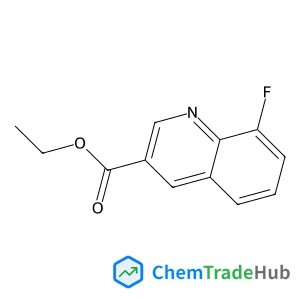
Ethyl 8-fluoro-3-quinolinecarboxylate(CAS: 71082-35-4)
CAS Number
Related Products

2-Phenyl-9,10-anthraquinone
CAS Number: 6485-97-8


1,7-Dichloroisoquinoline
CAS Number: 70810-24-1

Silane, chloromethyloctadecyl-
CAS Number: 124694-97-9

2,4,5-Triphenyl-1H-imidazole
CAS Number: 484-47-9

![[4-(Difluoromethoxy)phenyl]acetonitrile](https://static.chemtradehub.com/structs/414/41429-16-7-ae43.webp)

Other Suppliers for Ethyl 8-fluoro-3-quinolinecarboxylate


Basic Information
Molecular Formula
C12H10FNO2
Molecular Weight
219.22 g/mol
Physical Properties
Melting Point
NA
Boiling Point
312.9±22.0 °C(Predicted)
Density
1.249±0.06 g/cm3(Predicted)
Chemical Identifiers
SMILES
CCOC(=O)c1cnc2c(F)cccc2c1
InChIKey
WHWANFMWJBLPCS-UHFFFAOYSA-N
Database References
MDL Number
MFCD22581482
FAQ
Ethyl 8-fluoro-3-quinolinecarboxylate (CAS: 71082-35-4) falls under the regulatory guidelines of the Globally Harmonized System of Classification and Labelling of Chemicals (GHS), REACH in the European Union, and FDA/EPA requirements for hazardous substances. Manufacturers and importers must ensure compliance with these regulations, including proper labeling, storage, and disposal. Further, local and national regulations may apply, so consulting with local authorities is advised.
In the synthesis of Ethyl 8-fluoro-3-quinolinecarboxylate (CAS: 71082-35-4), alternative reagents such as substituted quinolines, fluoroalkyl derivatives, or related carboxylic acids could be considered. These alternatives can vary based on the specific reaction conditions and desired product properties, providing flexibility in the synthesis process.
Ethyl 8-fluoro-3-quinolinecarboxylate (CAS: 71082-35-4) is currently seen in niche markets, particularly in research and development for pharmaceuticals and materials science. Research trends indicate an increasing focus on its potential applications in anticancer drugs and as a precursor in organic synthesis. Price trends and market demand are expected to stabilize with growing interest in its applications.
Waste containing Ethyl 8-fluoro-3-quinolinecarboxylate (CAS: 71082-35-4) should be collected in leak-proof containers and stored in a well-ventilated area away from ignition sources. Incineration or professional waste disposal services should be used to ensure safe disposal. Environmental protection precautions include avoiding water contamination and following local and national disposal guidelines to minimize environmental impact.
Safety Notice
Please verify product specifications and safety data before use. Contact the supplier for detailed safety information.
Always follow proper handling procedures
Contact Information
Contact Person
Li Jun
2801519207@qq.com