



AD
Ethyl 4-nitrocinnamate(CAS: 953-26-4)
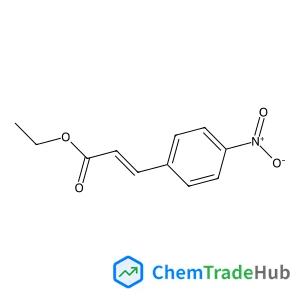
CAS Number
Related Products

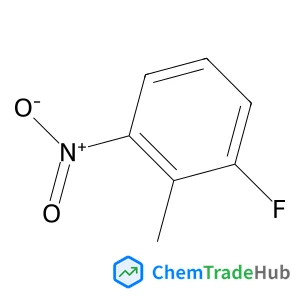
1-Fluoro-2-methyl-3-nitrobenzene
CAS Number: 769-10-8
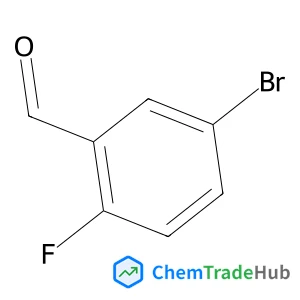
5-Bromo-2-fluorobenzaldehyde
CAS Number: 93777-26-5
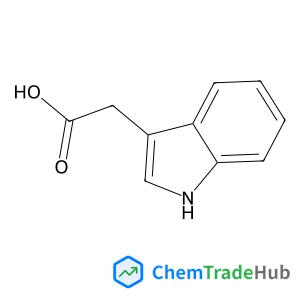
Indoleacetic Acid
CAS Number: 87-51-4

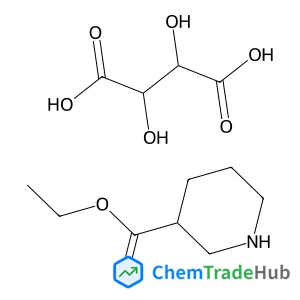
![1-{[(2-Methyl-2-propanyl)oxy]carbonyl}-3-piperidinecarboxylic acid](https://static.chemtradehub.com/structs/843/84358-12-3-35ea.webp)
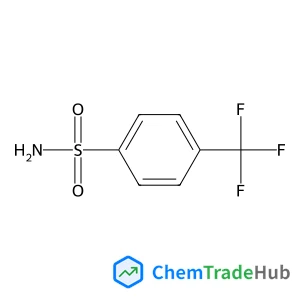
4-(Trifluoromethyl)benzenesulfonamide
CAS Number: 830-43-3
Other Suppliers for Ethyl 4-nitrocinnamate








Basic Information
Molecular Formula
C11H11NO4
Molecular Weight
221.21 g/mol
Physical Properties
Melting Point
138-140 °C (lit.)
Boiling Point
362.26°C (rough estimate)
Density
0.87 g/cm3 (20℃)
Flash Point
141ºC
Chemical Identifiers
SMILES
CCOC(=O)C=CC1=CC=C(C=C1)[N+](=O)[O-]
InChIKey
PFBQVGXIMLXCQB-UHFFFAOYSA-N
Database References
MDL Number
MFCD00007380
Beilstein Registry Number
2052533
FAQ
Ethyl 4-nitrocinnamate (CAS: 953-26-4) is subject to various regulatory guidelines. It falls under the Chemicals and Hazardous Substances Directive (EC No. 1272/2008) in the EU, requiring appropriate safety data sheets (SDS) and labels. In the US, it must comply with the EPA's Toxic Substances Control Act (TSCA) and the FDA's requirements for chemical substances in food contact materials. REACH regulations in the EU mandate registration, evaluation, authorization, and restriction of chemicals. Proper handling, storage, and disposal must be in accordance with these guidelines.
Several alternatives to Ethyl 4-nitrocinnamate (CAS: 953-26-4) can be used in synthesis depending on the reaction conditions and desired product. Common alternatives include other nitro aromatic compounds like 4-nitrobenzoic acid and its derivatives, as well as analogous cinnamic acid esters. These alternatives can offer similar functional groups for various chemical transformations, providing flexibility in synthetic routes.
The market for Ethyl 4-nitrocinnamate (CAS: 953-26-4) is driven by its use in the production of dyes, pigments, and pharmaceuticals. Research trends indicate a focus on its application in developing novel dyes with improved color stability and lightfastness. Additionally, there is ongoing exploration of its use in organic electronics and as a precursor for other nitro compounds. Market trends suggest steady demand supported by these emerging applications.
Waste containing Ethyl 4-nitrocinnamate (CAS: 953-26-4) should be handled carefully to ensure safety and environmental protection. Collection should be done using appropriate containers, and the waste should be neutralized to mitigate hazards. Incineration is a viable disposal method, but it should be conducted in specialized facilities to avoid air pollution. Alternatively, professional waste disposal services can ensure safe and compliant disposal. Always follow local regulations and safety guidelines to prevent environmental contamination.
Safety Notice
Please verify product specifications and safety data before use. Contact the supplier for detailed safety information.
Always follow proper handling procedures
Contact Information
sales@ruishipharm.com