



AD
2-Thiophenesulfonyl chloride(CAS: 16629-19-9)
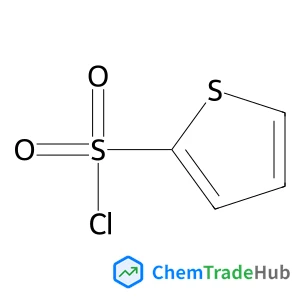
CAS Number
Related Products
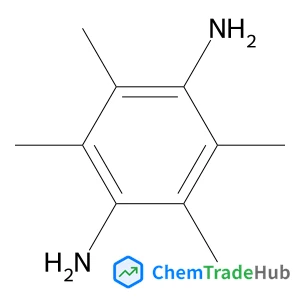
2,3,5,6-Tetramethyl-1,4-benzenediamine
CAS Number: 3102-87-2
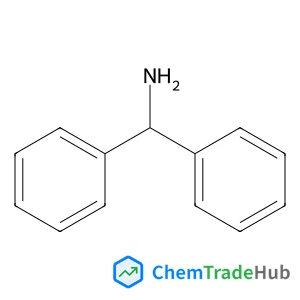
1,1-Diphenylmethanamine
CAS Number: 91-00-9
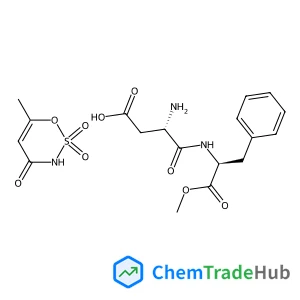
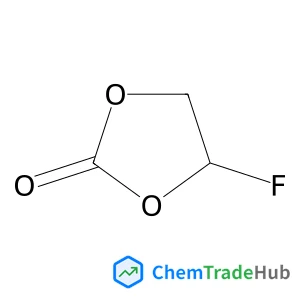
4-fluoro-1,3-dioxolan-2-one
CAS Number: 114435-02-8
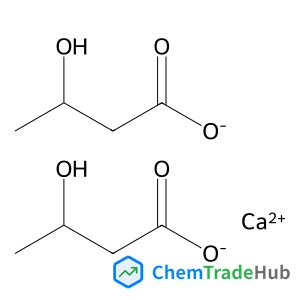
3-Hydroxybutanoic acid calcium salt
CAS Number: 586976-56-9
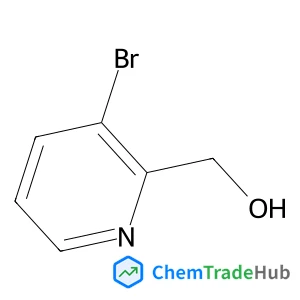
(3-Bromo-2-pyridinyl)methanol
CAS Number: 52378-64-0
Other Suppliers for 2-Thiophenesulfonyl chloride




Basic Information
Molecular Formula
C4H3ClO2S2
Molecular Weight
182.65 g/mol
Physical Properties
Melting Point
30-32 °C (lit.)
Boiling Point
130-132 °C/14 mmHg(lit.)
Water Solubility
Reacts with water.
Chemical Identifiers
SMILES
C1=CSC(=C1)S(=O)(=O)Cl
InChIKey
VNNLHYZDXIBHKZ-UHFFFAOYSA-N
Database References
MDL Number
MFCD00005426
Beilstein Registry Number
123536
FAQ
2-Thiophenesulfonyl chloride is a white or off-white crystalline solid. It has a molecular weight of 216.08 g/mol and a melting point around 115-116°C. It is slightly soluble in water but has good solubility in organic solvents such as ethanol and dichloromethane. It is highly reactive, especially with amines and thiols, and can form sulfonamides and thiolsulfonamides, respectively.
2-Thiophenesulfonyl chloride is typically synthesized by the chlorosulfonylation of thiophene using thionyl chloride as the reagent. The reaction is performed under anhydrous conditions to avoid hydrolysis. Catalysts such as aluminum chloride or aluminum bromide may be used to improve the yield and selectivity of the product.
2-Thiophenesulfonyl chloride finds applications in various industries, including pharmaceuticals, where it is used as an intermediate in drug synthesis. It is also used in the synthesis of certain dyes and pigments, in the production of polymeric materials, and in the development of sensors and semiconductors due to its unique chemical properties.
Handling 2-Thiophenesulfonyl chloride requires careful attention due to its high reactivity and potential for skin and eye irritation. It is recommended to use appropriate personal protective equipment (PPE), such as gloves, goggles, and a lab coat. Work should be conducted in a well-ventilated area or a fume hood to minimize exposure. If a spill occurs, it should be cleaned up immediately with care, and appropriate safety data sheets (SDS) should be consulted for specific cleanup procedures.
Safety Notice
Please verify product specifications and safety data before use. Contact the supplier for detailed safety information.
Always follow proper handling procedures
Contact Information
Contact Person
Min Huiping
3771156959@qq.com