



AD
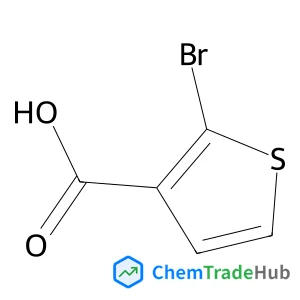
2-Bromo-3-thiophenecarboxylic acid(CAS: 24287-95-4)
CAS Number
Related Products
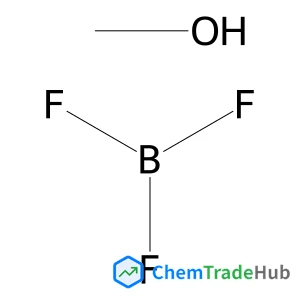
methanol; trifluoro-methoxy-boron
CAS Number: 2802-68-8
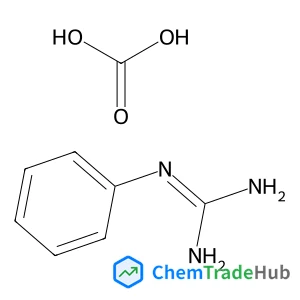
Carbonic acid - 1-phenylguanidine (1:1)
CAS Number: 6685-76-3
![1,7,7-Trimethylbicyclo[2.2.1]heptane-2,3-dione](https://static.chemtradehub.com/structs/103/10373-78-1-714c.webp)
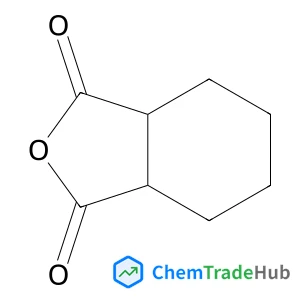
octahydro-2-benzofuran-1,3-dione
CAS Number: 85-42-7
![1-[(4xi)-beta-D-(~13~C_5_)-erythro-Pentofuranosyl]-1H-1,2,4-triazole-3-carboxamide](https://static.chemtradehub.com/structs/164/1646818-35-0-ea01.webp)
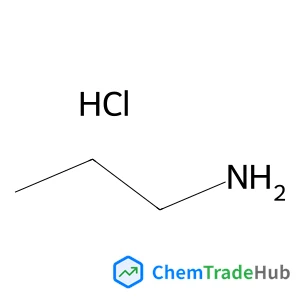
1-Propanamine hydrochloride (1:1)
CAS Number: 556-53-6
![1,1,2,2-Tetrafluoro-1-[2-(1,1,2,2-tetrafluoroethoxy)ethoxy]ethane](https://static.chemtradehub.com/structs/358/358-39-4-0089.webp)
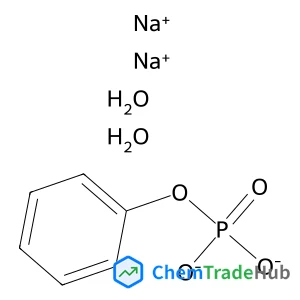
Other Suppliers for 2-Bromo-3-thiophenecarboxylic acid




Basic Information
Molecular Formula
C5H3BrO2S
Molecular Weight
207.05 g/mol
Physical Properties
Melting Point
178-182 °C (lit.)
Boiling Point
313.2°C at 760 mmHg
Flash Point
143.225℃
Chemical Identifiers
SMILES
C1=CSC(=C1C(=O)O)Br
InChIKey
RVSXMPCELBYUSF-UHFFFAOYSA-N
Database References
MDL Number
MFCD05865213
FAQ
2-Bromo-3-thiophenecarboxylic acid is a solid with a crystalline form. It has a molecular weight of approximately 207.02 g/mol. This compound is slightly soluble in water but more soluble in organic solvents. It is moderately reactive and can undergo bromine substitution and carboxylic acid reactions. It is a weak acid due to the presence of the carboxylic acid group.
2-Bromo-3-thiophenecarboxylic acid is typically synthesized by bromination of 3-thiophenecarboxylic acid using N-bromosuccinimide (NBS) in the presence of a suitable solvent like dichloromethane. The reaction is carried out under mild conditions to achieve good yield and selectivity. Other methods include direct bromination with bromine in the presence of a phase-transfer catalyst.
2-Bromo-3-thiophenecarboxylic acid is used in the pharmaceutical industry for the synthesis of certain drugs due to its structural properties. It is also utilized in the polymer industry for the development of advanced materials. Additionally, it finds applications in the production of sensors and as a functional group in semiconductor manufacturing processes.
What precautions should be taken when handling 2-Bromo-3-thiophenecarboxylic acid (CAS: 24287-95-4)?
When handling 2-Bromo-3-thiophenecarboxylic acid, it is essential to wear appropriate personal protective equipment (PPE) such as gloves, goggles, and a lab coat. Work in a well-ventilated area or under a fume hood to minimize exposure. Proper storage should be ensured in a cool, dry place away from direct sunlight and heat sources. In case of a spill, immediately clean up using appropriate absorbent materials and follow the safety data sheet (SDS) guidelines for disposal.
Safety Notice
Please verify product specifications and safety data before use. Contact the supplier for detailed safety information.
Always follow proper handling procedures