



AD
2,3-Dinonylnaphthalene-1-sulfonic acid(CAS: 25322-17-2)
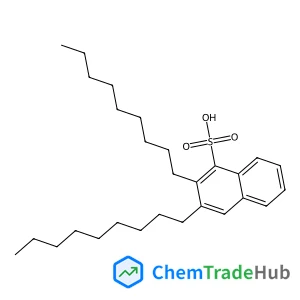
CAS Number
Related Products
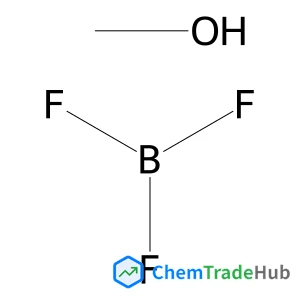
methanol; trifluoro-methoxy-boron
CAS Number: 2802-68-8
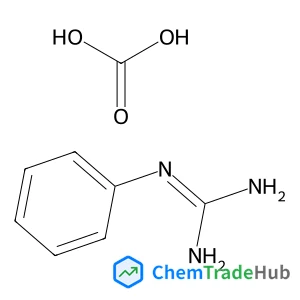
Carbonic acid - 1-phenylguanidine (1:1)
CAS Number: 6685-76-3
![1,7,7-Trimethylbicyclo[2.2.1]heptane-2,3-dione](https://static.chemtradehub.com/structs/103/10373-78-1-714c.webp)
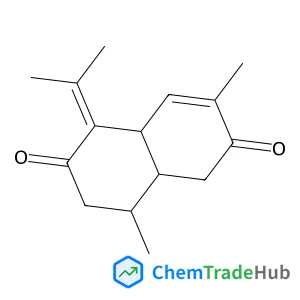
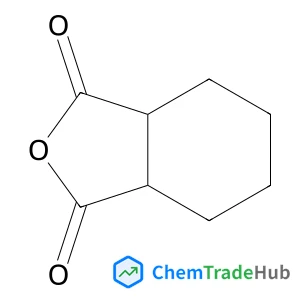
octahydro-2-benzofuran-1,3-dione
CAS Number: 85-42-7
![1-[(4xi)-beta-D-(~13~C_5_)-erythro-Pentofuranosyl]-1H-1,2,4-triazole-3-carboxamide](https://static.chemtradehub.com/structs/164/1646818-35-0-ea01.webp)
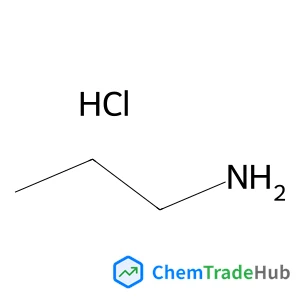
1-Propanamine hydrochloride (1:1)
CAS Number: 556-53-6
![1,1,2,2-Tetrafluoro-1-[2-(1,1,2,2-tetrafluoroethoxy)ethoxy]ethane](https://static.chemtradehub.com/structs/358/358-39-4-0089.webp)
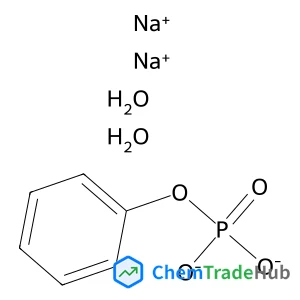
Other Suppliers for 2,3-Dinonylnaphthalene-1-sulfonic acid



Basic Information
Molecular Formula
C28H44O3S
Molecular Weight
460.71 g/mol
EINECS
246-841-9
Physical Properties
Boiling Point
94-99 °C
Density
0.852 g/mL at 25 °C
Flash Point
30 °F
Chemical Identifiers
SMILES
CCCCCCCCCc1cc2ccccc2c(c1CCCCCCCCC)S(=O)(=O)O
InChIKey
WDNQRCVBPNOTNV-UHFFFAOYSA-N
Database References
MDL Number
MFCD00014324
FAQ
2,3-Dinonylnaphthalene-1-sulfonic acid (CAS: 25322-17-2) falls under the scope of various regulatory guidelines, including REACH regulations in the European Union and the Globally Harmonized System (GHS) for the classification and labeling of chemicals. It may also be subject to FDA and EPA regulations in the United States. Producers and handlers must comply with local and international laws regarding storage, transportation, and disposal of this compound.
There are alternative sulfonic acids and naphthene compounds that can be used in synthesis, such as 1-naphthoic acid and other sulfonating agents like benzenesulfonyl chloride. These alternatives offer similar reactivity but may have different physical and chemical properties, thus requiring adjustments in the synthesis conditions.
The market trend for 2,3-Dinonylnaphthalene-1-sulfonic acid (CAS: 25322-17-2) reflects increasing demand in the chemical industry for specialty reagents. Research trends focus on its applications in surface modification, dyeing, and other industrial processes. The compound is also being explored for its potential in new material development and environmental remediation.
Waste containing 2,3-Dinonylnaphthalene-1-sulfonic acid (CAS: 25322-17-2) should be collected in appropriate containers and stored in a safe, well-ventilated area. Prior to disposal, ensure it meets local regulations. Incineration is a common method for disposal, but professional waste disposal services are recommended to ensure compliance and safety. Environmental precautions include proper containment to prevent soil and water contamination.
Safety Notice
Please verify product specifications and safety data before use. Contact the supplier for detailed safety information.
Always follow proper handling procedures