



AD
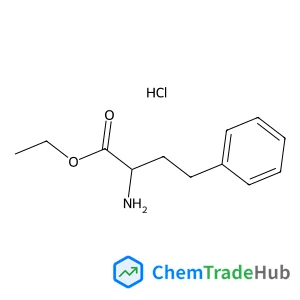
Ethyl (S)-2-amino-4-phenylbutanoate hydrochloride(CAS: 90891-21-7)
CAS Number
Related Products
![N-[(9H-Fluoren-9-ylmethoxy)carbonyl]-L-norleucine](https://static.chemtradehub.com/structs/772/77284-32-3-049e.webp)
![N~2~-[(Benzyloxy)carbonyl]-L-arginine hydrochloride (1:1)](https://static.chemtradehub.com/structs/566/56672-63-0-afba.webp)
![Methyl N-{[(2-methyl-2-propanyl)oxy]carbonyl}-D-valinate](https://static.chemtradehub.com/structs/106/106391-85-9-f4fa.webp)
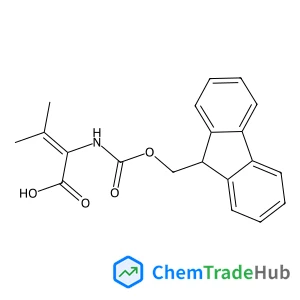
Fmoc-2,3-dehydroval-OH
CAS Number: 198546-38-2
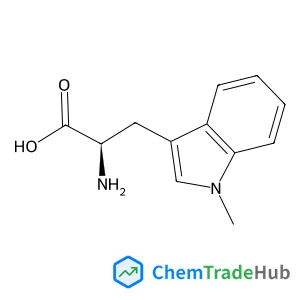
1-Methyl-D-tryptophan
CAS Number: 110117-83-4
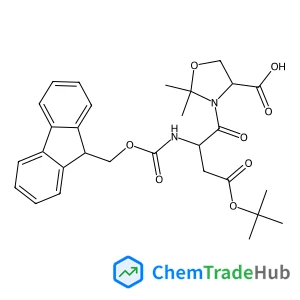
Fmoc-Asp(OtBu)-Ser(Psi(Me,Me)pro)-OH
CAS Number: 955048-92-7
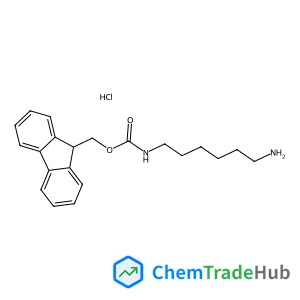
Fmoc-1,6-diaminohexane hydrochloride
CAS Number: 945923-91-1
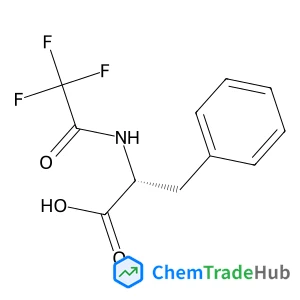
N-(Trifluoroacetyl)-D-phenylalanine
CAS Number: 7656-14-6
Other Suppliers for Ethyl (S)-2-amino-4-phenylbutanoate hydrochloride





Basic Information
Molecular Formula
C12H18ClNO2
Molecular Weight
243.73 g/mol
Physical State
Solid
Physical Properties
Melting Point
158.0 to 162.0 deg-C
Boiling Point
311.4℃ at 760 mmHg
Density
1.0580
Flash Point
164.8℃
Chemical Identifiers
SMILES
CCOC(=O)C(CCC1=CC=CC=C1)N.Cl
InChIKey
PTFKZMFFSIYCOV-MERQFXBCSA-N
Database References
MDL Number
MFCD00190691
FAQ
Ethyl (S)-2-amino-4-phenylbutanoate hydrochloride is a colorless to white crystalline solid with a molecular weight of approximately 248.3 g/mol. It is soluble in water and organic solvents. The compound is moderately reactive, particularly in its basic form, and is sensitive to strong acids and bases. It has a pKa of about 10.5.
Ethyl (S)-2-amino-4-phenylbutanoate hydrochloride can be synthesized via the reaction of ethyl 4-aminobutanoate with phenyl isocyanate followed by hydrochlorination. This process involves the use of a mild base and a catalyst to ensure high selectivity and yield. The reaction typically proceeds under mild conditions to avoid degradation of the product.
Ethyl (S)-2-amino-4-phenylbutanoate hydrochloride is primarily used in the pharmaceutical industry for the synthesis of various drugs. It is also applied in the production of certain polymers and as a chiral auxiliary in the synthesis of chiral compounds. Additionally, it can be used in the development of sensors and in semiconductor applications.
When handling Ethyl (S)-2-amino-4-phenylbutanoate hydrochloride, proper personal protective equipment (PPE) is essential, including gloves, safety goggles, and a lab coat. It should be stored in a cool, dry place away from strong acids and bases. In case of spillage, it should be cleaned up carefully using appropriate absorbents and disposing of the material according to local regulations. Always refer to the Safety Data Sheet (SDS) for detailed handling instructions.
Safety Notice
Please verify product specifications and safety data before use. Contact the supplier for detailed safety information.
Always follow proper handling procedures
Contact Information
Contact Person
Shen Lingyu
sly@glbiochem.com