



AD
Diethylphosphinic acid(CAS: 813-76-3)

CAS Number
Related Products

N-(2-Methoxyphenyl)acetamide
CAS Number: 93-26-5
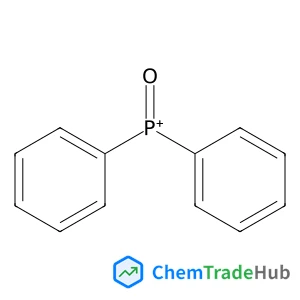
Diphenylphosphine oxide
CAS Number: 4559-70-0

2,6-Dimethyl-2,4,6-octatriene
CAS Number: 673-84-7
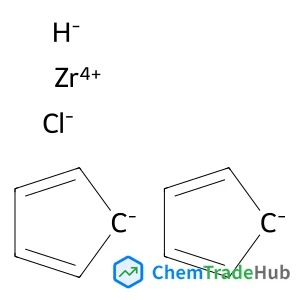
![1,2-Dimethoxy-12-methyl[1,3]benzodioxolo[5,6-c]phenanthridin-12-ium 13-methyl[1,3]benzodioxolo[5,6-c][1,3]dioxolo[4,5-i]phenanthridin-13-ium chloride (1:1:2)](https://static.chemtradehub.com/structs/112/112025-60-2-37be.webp)
![(7aS,13aS)-9,10-Dimethoxy-3,3-dimethyl-13,13a-dihydro-3H-chromeno[3,4-b]pyrano[2,3-h]chromen-7(7aH)-one](https://static.chemtradehub.com/structs/522/522-17-8-8dd3.webp)
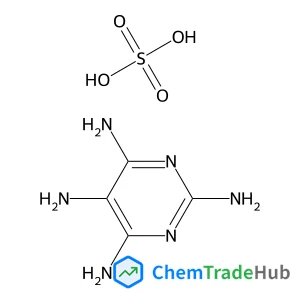
2,4,5,6-Tetraaminopyrimidine Sulfate
CAS Number: 5392-28-9
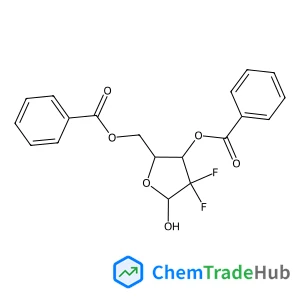
Other Suppliers for Diethylphosphinic acid






Basic Information
Molecular Formula
C4H11O2P
Molecular Weight
122.1 g/mol
Physical Properties
Melting Point
18.5°C
Boiling Point
320°C
Chemical Identifiers
SMILES
O=P(CC)(CC)O
InChIKey
KTLIMPGQZDZPSB-UHFFFAOYSA-N
Database References
MDL Number
MFCD00672213
FAQ
Diethylphosphinic acid (CAS: 813-76-3) falls under the regulatory guidelines of the Globally Harmonized System of Classification and Labelling of Chemicals (GHS), which includes health and environmental hazards. Under REACH in the European Union, it may require registration if the substance or mixture is manufactured or imported in quantities above one tonne per year. Additionally, the Food and Drug Administration (FDA) and the Environmental Protection Agency (EPA) may have specific requirements for its use and disposal in the United States.
There are several alternatives to Diethylphosphinic acid in synthesis, depending on the specific application. Common substitutes include diethylphosphine oxide and other phosphorus-containing compounds. When choosing an alternative, it's important to consider the reactivity, solubility, and cost of the substitute to ensure a successful synthesis.
The market for Diethylphosphinic acid (CAS: 813-76-3) is growing due to increasing demand in pharmaceuticals, agriculture, and chemical intermediates. Research trends are focusing on its use in developing new drugs and as an intermediate in the synthesis of other phosphorus-containing compounds. The price trend is stable, but can vary based on supply and demand dynamics.
Waste containing Diethylphosphinic acid (CAS: 813-76-3) should be collected in a sealed container and disposed of through a professional hazardous waste management company. Incineration or chemical neutralization can be used to treat the waste before disposal, and proper environmental protection measures should be implemented to prevent contamination. Always consult the Material Safety Data Sheet (MSDS) and local regulations for specific disposal procedures.
Safety Notice
Please verify product specifications and safety data before use. Contact the supplier for detailed safety information.
Always follow proper handling procedures

Contact Information
Contact Person
Liu Ziying
1400878822@qq.com
Mobile
13986246535
Visit Website
http://www.hubeidahao.comAddress
Hubei Province Tianmen City Huangtan Town Ximiao Village 1 Group