



AD
(3S)-2,3,4,9-Tetrahydro-1H-beta-carboline-3-carboxylic acid(CAS: 42438-90-4)
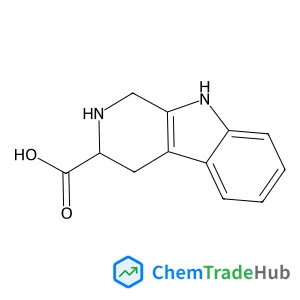
CAS Number
Related Products
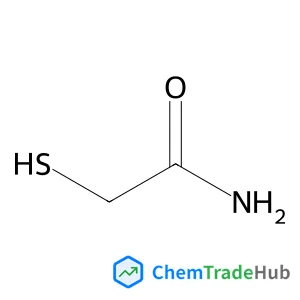
2-Sulfanylacetamide
CAS Number: 758-08-7
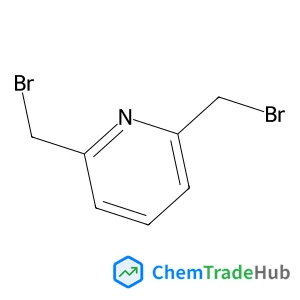
2,6-Bis(bromomethyl)pyridine
CAS Number: 7703-74-4
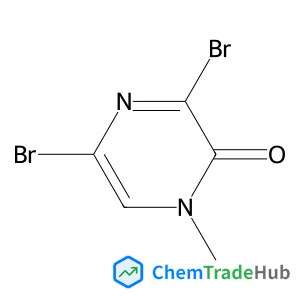
3,5-Dibromo-1-methyl-2(1H)-pyrazinone
CAS Number: 87486-34-8
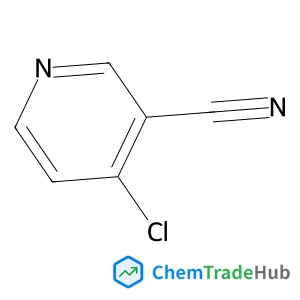
4-Chloro-3-cyanopyridine
CAS Number: 89284-61-7
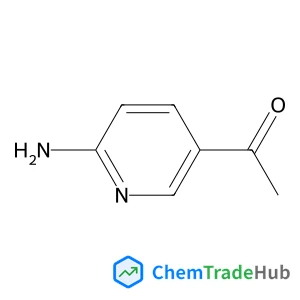
1-(6-Amino-3-pyridinyl)ethanone
CAS Number: 19828-20-7
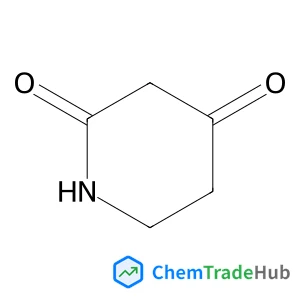
2,4-Piperidinedione
CAS Number: 50607-30-2
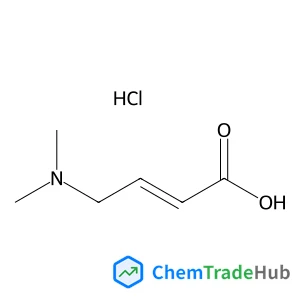
![6-Bromo-[1,2,4]triazolo[1,5-a]pyridin-2-amine](https://static.chemtradehub.com/structs/947/947248-68-2-a63b.webp)
![5,7-Dihydro-6H-dibenzo[b,d]azepin-6-one](https://static.chemtradehub.com/structs/200/20011-90-9-17b8.webp)
Other Suppliers for (3S)-2,3,4,9-Tetrahydro-1H-beta-carboline-3-carboxylic acid







Basic Information
Molecular Formula
C12H12N2O2
Molecular Weight
216.24 g/mol
Physical Properties
Melting Point
289 °C (dec.)(lit.)
Boiling Point
485.0±45.0 °C at 760 mmHg
Density
1.4±0.1 g/cm3
Flash Point
247.1±28.7 °C
Chemical Identifiers
SMILES
C1C(NCC2=C1C3=CC=CC=C3N2)C(=O)O
InChIKey
FSNCEEGOMTYXKY-JTQLQIEISA-N
Database References
MDL Number
MFCD00272641
FAQ
(3S)-2,3,4,9-Tetrahydro-1H-beta-carboline-3-carboxylic acid is a crystalline solid with a molecular weight of approximately 203.17 g/mol. It is poorly soluble in water but soluble in organic solvents like ethanol and acetone. The compound exhibits basic properties due to the carboxylic acid group and beta-carboline ring system. It is chemically stable under normal conditions but may degrade under strongly acidic or basic environments.
(3S)-2,3,4,9-Tetrahydro-1H-beta-carboline-3-carboxylic acid can be synthesized through various routes, including condensation of beta-carboline with an appropriate carboxylic acid derivative. Common methods involve esterification of the beta-carboline with a carboxylic acid or using a ring-opening reaction followed by a carboxylation step. These processes yield high selectivity and good yields, making them suitable for industrial-scale production.
(3S)-2,3,4,9-Tetrahydro-1H-beta-carboline-3-carboxylic acid finds applications in pharmaceuticals, where it serves as a precursor for drug development. It is also utilized in the production of dyes and pigments, and as a component in some agricultural and cosmetic products. Its unique chemical structure makes it valuable in research for its potential in biotechnology and material science applications.
When handling (3S)-2,3,4,9-Tetrahydro-1H-beta-carboline-3-carboxylic acid, it is essential to wear appropriate personal protective equipment (PPE) such as gloves, goggles, and a laboratory coat. Work in a well-ventilated area or a fume hood to minimize inhalation risks. Spills should be absorbed with appropriate materials and disposed of according to local regulations. Always consult the safety data sheet (SDS) for detailed information and emergency procedures.
Safety Notice
Please verify product specifications and safety data before use. Contact the supplier for detailed safety information.
Always follow proper handling procedures
Contact Information
bjpharmas@163.com