



AD
ginsenoside F4(CAS: 181225-33-2)
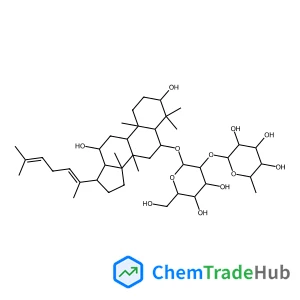
CAS Number
Related Products
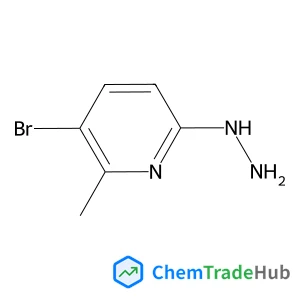
3-Bromo-6-hydrazinyl-2-methylpyridine
CAS Number: 39919-66-9
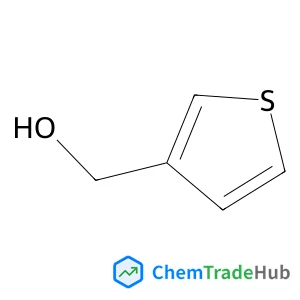
3-Thienylmethanol
CAS Number: 71637-34-8
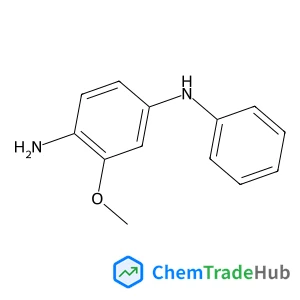
3-Methoxy-N1-phenylbenzene-1,4-diamine
CAS Number: 5840-10-8
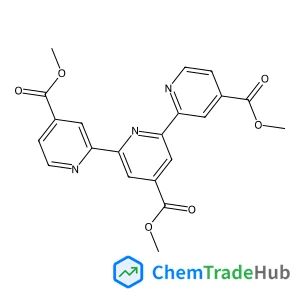
![5-Isoquinolinesulfonamide, N-[2-[[3-(4-bromophenyl)-2-propen-1-yl]amino]ethyl]-](https://static.chemtradehub.com/structs/127/127243-85-0-0f72.webp)
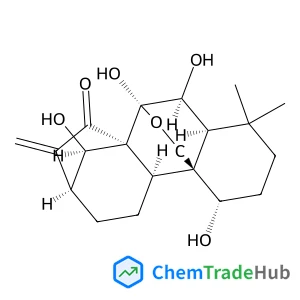
Oridonin
CAS Number: 28957-04-2
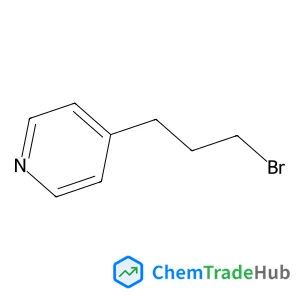
4-(3-Bromopropyl)pyridine
CAS Number: 40337-66-4
Other Suppliers for ginsenoside F4









Basic Information
Molecular Formula
C42H70O12
Molecular Weight
767 g/mol
Physical State
Powder
Chemical Identifiers
SMILES
OCC1OC(OC2CC3(C)C(C4(C2C(C)(C)C(O)CC4)C)CC(C2C3(C)CCC2C(=CCC=C(C)C)C)O)C(C(C1O)O)OC1OC(C)C(C(C1O)O)O
InChIKey
QOMBXPYXWGTFNR-UHFFFAOYSA-N
Database References
MDL Number
MFCD22200428
FAQ
Ginsenoside F4 (CAS: 181225-33-2) is a crystalline compound with a molecular weight of approximately 818.33 Da. It is slightly soluble in water and ethanol, and practically insoluble in hexane. It is relatively stable under normal conditions but can react with acidic or basic conditions. Ginsenoside F4 exhibits selective activity in biological systems and is often used in research for its pharmacological properties.
Ginsenoside F4 (CAS: 181225-33-2) is typically synthesized through semi-synthetic methods starting from ginsenoside Rg3. The synthesis involves several steps including acetylation, reduction, and dehydration. Common catalysts used include sodium bisulfite and hydrogen gas. The yield is generally around 60-70%, with good selectivity for the desired product.
Ginsenoside F4 (CAS: 181225-33-2) is primarily used in the pharmaceutical industry for its potential health benefits, particularly in the development of anti-inflammatory and anti-tumor drugs. It is also used in the food and cosmetic industries as a functional ingredient. Additionally, its chemical structure makes it relevant to the research in materials science for its potential use in sensors and semiconductors.
When handling ginsenoside F4 (CAS: 181225-33-2), appropriate personal protective equipment (PPE) such as gloves and goggles should be worn to prevent direct skin and eye contact. Work should be conducted in a fume hood to minimize inhalation risks. In case of a spill, it is recommended to use absorbent material and dispose of it according to the Material Safety Data Sheet (SDS) guidelines. Always refer to the latest SDS for detailed safety information.
Safety Notice
Please verify product specifications and safety data before use. Contact the supplier for detailed safety information.
Always follow proper handling procedures
Contact Information
2355265332@qq.com