



AD
Adenosine(CAS: 58-61-7)
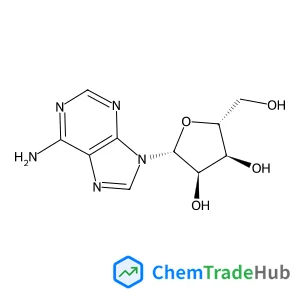
CAS Number
Related Products
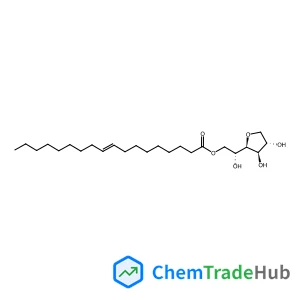
1,4-Anhydro-6-O-oleoyl-D-glucitol
CAS Number: 1338-43-8
![N~2~-[(Benzyloxy)carbonyl]-L-glutamine](https://static.chemtradehub.com/structs/265/2650-64-8-da18.webp)
N~2~-[(Benzyloxy)carbonyl]-L-glutamine
CAS Number: 2650-64-8
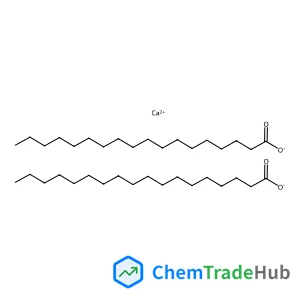
Calcium dioctadecanoate
CAS Number: 1592-23-0
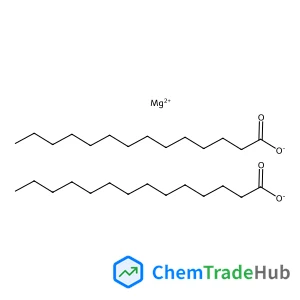
MAGNESIUM MYRISTATE
CAS Number: 4086-70-8
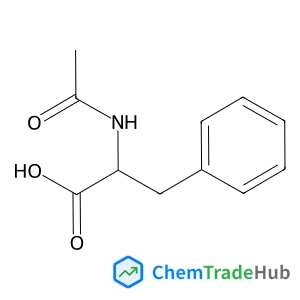
N-Acetyl-L-phenylalanine
CAS Number: 2018-61-3
![{[(2R,3S,4R,5R)-5-(4-amino-2-oxo-1,2-dihydropyrimidin-1-yl)-3,4-dihydroxyoxolan-2-yl]methoxy}phosphonic acid](https://static.chemtradehub.com/structs/63-/63-37-6-2205.webp)
![N~2~-{[(2-Methyl-2-propanyl)oxy]carbonyl}-D-asparagine](https://static.chemtradehub.com/structs/756/75647-01-7-b071.webp)
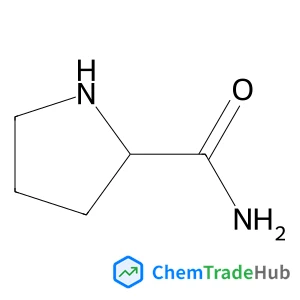
L-Prolinamide
CAS Number: 7531-52-4
Other Suppliers for Adenosine





Basic Information
Molecular Formula
C10H13N5O4
Molecular Weight
267.25 g/mol
Physical Properties
Melting Point
234-236 °C (lit.)
Boiling Point
676.3°C at 760 mmHg
Flash Point
676.3 °C at 760 mmHg
Water Solubility
Soluble in water, ammonium hydroxide and dimethyl sulfoxide. Insoluble in ethanol.
Chemical Identifiers
SMILES
Nc1ncnc2n(cnc12)[C@@H]3O[C@H](CO)[C@@H](O)[C@H]3O
InChIKey
OIRDTQYFTABQOQ-KQYNXXCUSA-N
Database References
MDL Number
MFCD00005752
Beilstein Registry Number
93029
FAQ
Adenosine is a nucleoside composed of adenine and ribose, playing a key role in cellular energy transfer. It has a molecular formula of C10H13N5O4 and is typically a white, crystalline powder. Adenosine is soluble in water and has a bitter taste. It is naturally found in all living cells and is a precursor to ATP, the primary energy currency of cells. Its chemical structure and biological activity make it essential in various biochemical processes.
Adenosine is widely used in pharmaceuticals to treat cardiac arrhythmias and as a vasodilator. It is also applied in research for studying cellular metabolism and neurotransmission. In the food industry, it is used as a flavor enhancer and stabilizer. Additionally, adenosine is utilized in the production of nucleotides and in diagnostic tests. Its versatility makes it a valuable compound across multiple fields.
Adenosine is generally considered safe when used as directed, but it can cause side effects such as drowsiness, low blood pressure, or heart issues. It is important to follow safety guidelines and consult healthcare professionals before use. Proper handling, including the use of gloves and ventilation, is recommended to avoid exposure. Adenosine is regulated under safety standards to ensure its use in pharmaceutical and industrial applications is controlled and monitored.
Adenosine should be stored in a cool, dry, and dark place, ideally at 2-8°C. It is sensitive to moisture and light, so airtight containers and desiccants are recommended. Avoid exposure to heat and direct sunlight to maintain stability. Store in a secure location away from incompatible substances. Proper storage ensures its potency and safety for use in research and medicine.
Safety Notice
Please verify product specifications and safety data before use. Contact the supplier for detailed safety information.
Always follow proper handling procedures
Contact Information
2011060061@qq.com