



AD
Biotinyl-GHK tripeptide(CAS: 299157-54-3)
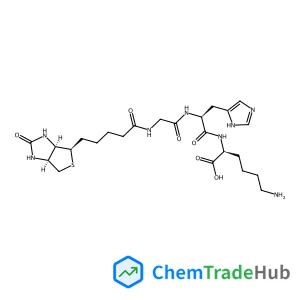
CAS Number
Related Products
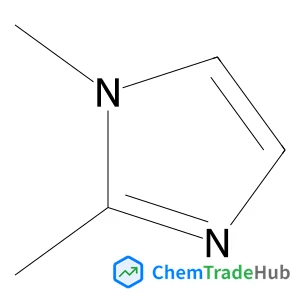
1,2-Dimethyl-1H-imidazole
CAS Number: 1739-84-0
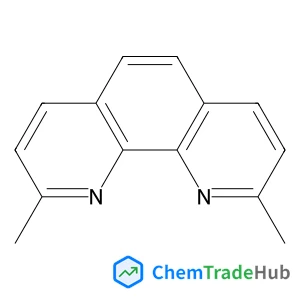
2,9-Dimethyl-1,10-phenanthroline
CAS Number: 484-11-7
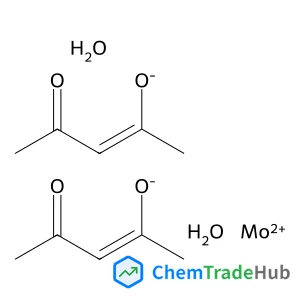
Molybdenyl acetylacetonate
CAS Number: 17524-05-9
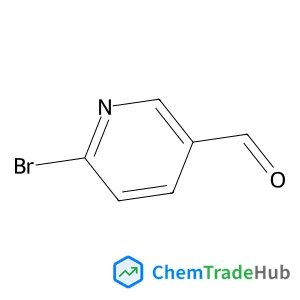
6-Bromonicotinaldehyde
CAS Number: 149806-06-4
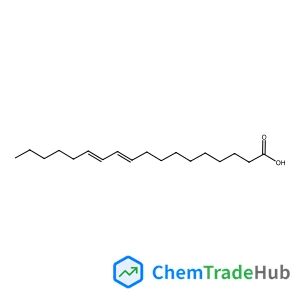
(9E,11Z)-9,11-Octadecadienoic acid
CAS Number: 2420-56-6

9,10-Dibromoanthracene
CAS Number: 523-27-3
![2,5-Dichloro-N-[2-(isopropylsulfonyl)phenyl]-4-pyrimidinamine](https://static.chemtradehub.com/structs/761/761440-16-8-39b1.webp)
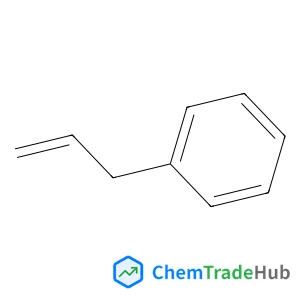
Allylbenzene
CAS Number: 300-57-2
Other Suppliers for Biotinyl-GHK tripeptide





Basic Information
Molecular Formula
C24H38N8O6S
Molecular Weight
566.67 g/mol
Chemical Identifiers
SMILES
NCCCC[C@@H](C(=O)O)NC(=O)[C@H](Cc1cnc[nH]1)NC(=O)CNC(=O)CCCC[C@H]1SC[C@@H]2[C@H]1NC(=O)N2
InChIKey
WCKVVODUWGBPQV-JDNULILRSA-N
FAQ
Biotinyl-GHK tripeptide is a crystalline compound with a molecular weight of approximately 498.44 g/mol. It is soluble in water but has poor solubility in organic solvents. The tripeptide exhibits moderate reactivity, particularly in the presence of reducing agents. It is stable under neutral conditions but can be sensitive to strong acids and bases.
Biotinyl-GHK tripeptide is typically synthesized through solid-phase peptide synthesis (SPPS) using standard Fmoc chemistry. The tripeptide is assembled on a solid support, with the biotin group introduced at the final step. Commonly, the biotinylation reaction involves the use of N-hydroxysuccinimide (NHS) ester biotin, which reacts selectively with the free amine group of the tripeptide to form an amide bond.
Biotinyl-GHK tripeptide is widely used in the pharmaceutical industry for skin care products due to its ability to stimulate collagen synthesis. It is also utilized in the cosmetic industry for anti-aging formulations. Additionally, it finds applications in bioconjugation for biosensors and as a component in peptide-based drug delivery systems.
When handling Biotinyl-GHK tripeptide, it is essential to wear appropriate personal protective equipment (PPE) such as gloves and safety goggles. Work should be conducted in a well-ventilated area or under a fume hood. In case of a spill, immediately clean up using a suitable absorbent material and dispose of it according to laboratory waste protocols. Always refer to the safety data sheet (SDS) for detailed handling instructions.
Safety Notice
Please verify product specifications and safety data before use. Contact the supplier for detailed safety information.
Always follow proper handling procedures
Contact Information
Contact Person
Gong
2195228001@QQ.com