



AD
2-Chloro-4-(trifluoromethoxy)phenol(CAS: 70783-75-4)
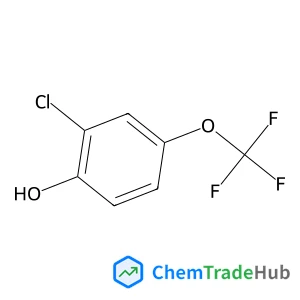
CAS Number
Related Products
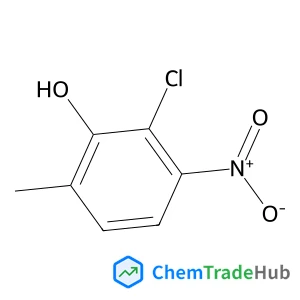
2-Chloro-6-methyl-3-nitrophenol
CAS Number: 39183-20-5
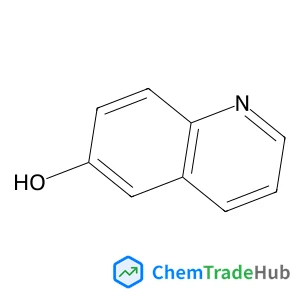
6-Quinolinol
CAS Number: 580-16-5
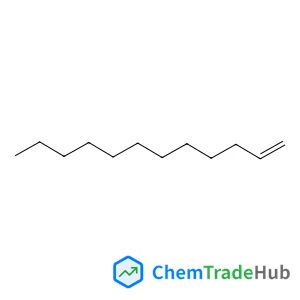
1-Dodecene
CAS Number: 112-41-4
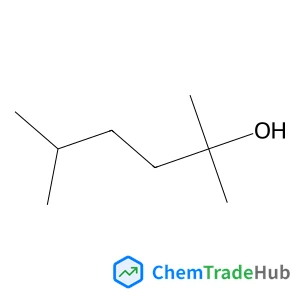
2,5-Dimethyl-2-hexanol
CAS Number: 3730-60-7
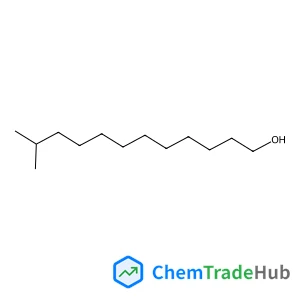
11-Methyl-1-dodecanol
CAS Number: 68526-86-3
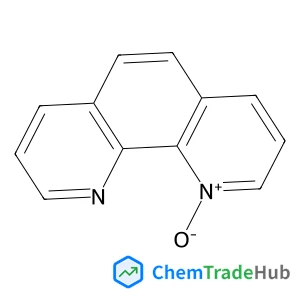
1,10-Phenanthroline 1-oxide
CAS Number: 1891-19-6
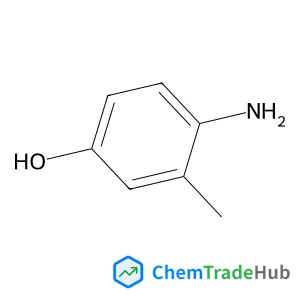
4-Amino-3-methylphenol
CAS Number: 2835-99-6
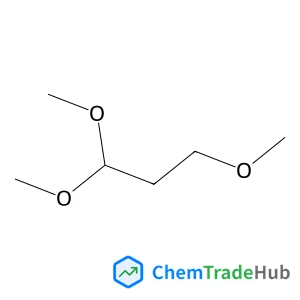
1,1,3-Trimethoxypropane
CAS Number: 14315-97-0
Other Suppliers for 2-Chloro-4-(trifluoromethoxy)phenol







Basic Information
Molecular Formula
C7H4ClF3O2
Molecular Weight
212.55 g/mol
Physical Properties
Boiling Point
67-70 ºC (18 Torr)
Density
1.515±0.06 g/cm3 (20 ºC 760 Torr),
Flash Point
75.1±25.9 ºC,
Chemical Identifiers
SMILES
C1=CC(=C(C=C1OC(F)(F)F)Cl)O
InChIKey
LSTYNKXVEMLNBE-UHFFFAOYSA-N
Database References
MDL Number
MFCD04972753
FAQ
2-Chloro-4-(trifluoromethoxy)phenol is a crystalline solid with a molecular weight of approximately 258.01 g/mol. It has a melting point of 110°C and a boiling point of 340°C. The compound is slightly soluble in water but readily soluble in organic solvents like ethanol and dichloromethane. It is moderately reactive, especially under basic conditions, and can undergo electrophilic substitution reactions.
2-Chloro-4-(trifluoromethoxy)phenol is typically synthesized via the Suzuki-Miyaura coupling reaction, where 4-(trifluoromethoxy)toluene is coupled with chloroformic acid ester in the presence of a palladium catalyst and a base such as cesium carbonate. The yield is usually around 75-85%, and the reaction is carried out under inert atmosphere to avoid decomposition.
2-Chloro-4-(trifluoromethoxy)phenol is used in pharmaceuticals for the synthesis of certain drug candidates, in polymers for its flame-retardant properties, and in sensors for its detection capabilities. It is also utilized in the electronics industry for semiconductor applications due to its stability and reactivity.
When handling 2-Chloro-4-(trifluoromethoxy)phenol, it is important to wear personal protective equipment (PPE) such as gloves, goggles, and a lab coat. Work in a fume hood to avoid inhalation of vapors. Keep the compound away from flammable materials and ensure proper ventilation. In case of a spill, neutralize the acid with a base and dispose of the waste according to local regulations. Always refer to the Safety Data Sheet (SDS) for additional handling and disposal information.
Safety Notice
Please verify product specifications and safety data before use. Contact the supplier for detailed safety information.
Always follow proper handling procedures
Contact Information
Contact Person
Fang Chao
3003755934@qq.com