



AD
4-(4-(4-Nitrophenyl)-1-piperazinyl)phenol(CAS: 112559-81-6)

CAS Number
Related Products
![2-Methyl-2-propanyl [(2R)-1-hydroxy-2-propanyl]carbamate](https://static.chemtradehub.com/structs/106/106391-86-0-8397.webp)

3-Bromo-2,2-bis(bromomethyl)-1-propanol
CAS Number: 1522-92-5
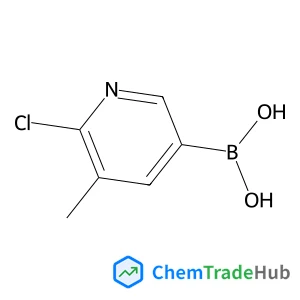

Cytisine hydrochloride
CAS Number: 6047-01-4

Atorvastatin Impurity 55
CAS Number: 141942-85-0

3-Hydroxy-D-tyrosine
CAS Number: 5796-17-8
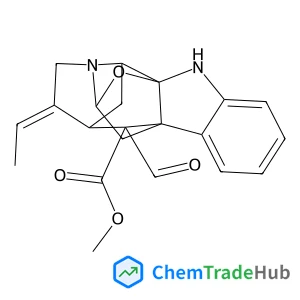
Picralinal
CAS Number: 20045-06-1

D-Arabinose
CAS Number: 9032-75-1
![(3aS,9R,9aS,9bS)-9-Hydroxy-6,9-dimethyl-3-methylene-3a,4,5,7,8,9,9a,9b-octahydroazuleno[4,5-b]furan-2(3H)-one](https://static.chemtradehub.com/structs/683/68370-47-8-daf4.webp)
Other Suppliers for 4-(4-(4-Nitrophenyl)-1-piperazinyl)phenol




Basic Information
Molecular Formula
C16H17N3O3
Molecular Weight
299.32 g/mol
Physical Properties
Boiling Point
540.8°C at 760 mmHg
Chemical Identifiers
SMILES
C1CN(CCN1C2=CC=C(C=C2)[N+](=O)[O-])C3=CC=C(C=C3)O
InChIKey
BNHYDULILNJFFY-UHFFFAOYSA-N
Database References
MDL Number
MFCD08460988
FAQ
4-(4-(4-Nitrophenyl)-1-piperazinyl)phenol (CAS: 112559-81-6) falls under the classification of a hazardous chemical due to its nitro group. It is regulated under the Globally Harmonized System of Classification and Labeling of Chemicals (GHS), which includes health, environmental, and physical hazards. In the European Union, it is subject to the Registration, Evaluation, Authorisation and Restriction of Chemicals (REACH) regulation, requiring manufacturers and importers to register the substance if quantities exceed thresholds. Additionally, the U.S. Food and Drug Administration (FDA) and Environmental Protection Agency (EPA) have specific guidelines for the use, handling, and disposal of this compound.
Are there alternatives to 4-(4-(4-Nitrophenyl)-1-piperazinyl)phenol (CAS: 112559-81-6) in synthesis?
Alternatives to 4-(4-(4-Nitrophenyl)-1-piperazinyl)phenol (CAS: 112559-81-6) in synthesis include other piperazine derivatives such as 4-(4-aminophenyl)piperazine and 4-(1-piperazinyl)benzoic acid. These compounds can serve similar functional roles but may offer better stability, reactivity, or toxicity profiles. Researchers often explore these alternatives to avoid the potential health and environmental risks associated with the nitro group.
The market for 4-(4-(4-Nitrophenyl)-1-piperazinyl)phenol (CAS: 112559-81-6) is limited due to its restricted use and regulated status. However, ongoing research focuses on its applications in pharmaceuticals, particularly as a precursor for drug synthesis. Recent trends indicate a shift towards safer, more environmentally friendly alternatives. The compound's research interest is mainly driven by its structural complexity and potential biological activity, but it faces challenges due to its toxicity and regulatory restrictions.
How should waste containing 4-(4-(4-Nitrophenyl)-1-piperazinyl)phenol (CAS: 112559-81-6) be handled?
Waste containing 4-(4-(4-Nitrophenyl)-1-piperazinyl)phenol (CAS: 112559-81-6) should be managed carefully to prevent environmental contamination and ensure worker safety. Collection should be done in sealed, labeled containers. For small quantities, incineration under controlled conditions is a viable option, but professional waste disposal services are recommended for larger amounts. Disposal should comply with local, national, and international regulations. Proper protective equipment and training are essential for handling this compound to minimize exposure risks.
Safety Notice
Please verify product specifications and safety data before use. Contact the supplier for detailed safety information.
Always follow proper handling procedures
Contact Information
2423903095@qq.com