



AD
2,4-Dichloro-6-methoxy-1,3,5-triazine(CAS: 3638-04-8)
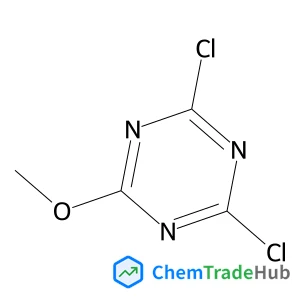
CAS Number
Related Products
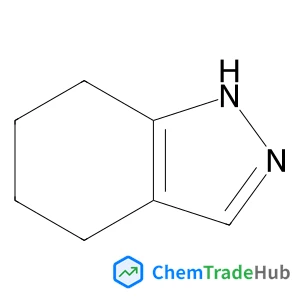
4,5,6,7-Tetrahydro-2H-indazole
CAS Number: 2305-79-5

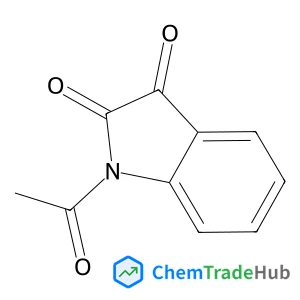
1-Acetyl-1H-indole-2,3-dione
CAS Number: 574-17-4

1-Methyl-3-phenylindane
CAS Number: 6416-39-3

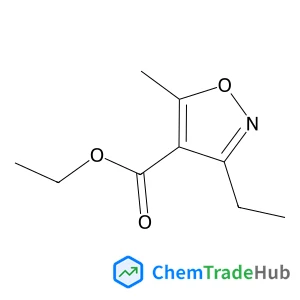
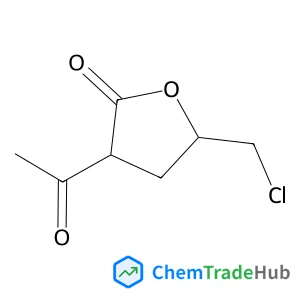
3-Acetyl-5-(chloromethyl)oxolan-2-one
CAS Number: 3154-75-4
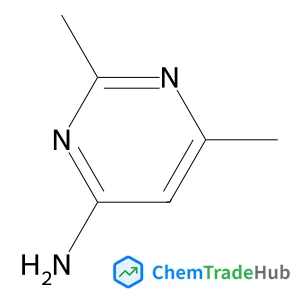
2,6-Dimethyl-4-pyrimidinamine
CAS Number: 461-98-3
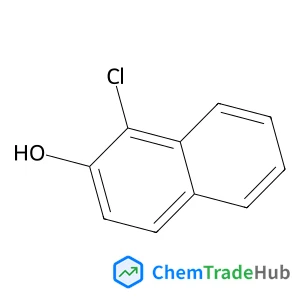
1-Chloro-2-naphthol
CAS Number: 633-99-8
Other Suppliers for 2,4-Dichloro-6-methoxy-1,3,5-triazine






Basic Information
Molecular Formula
C4H3Cl2N3O
Molecular Weight
179.99 g/mol
Physical Properties
Melting Point
86-88 °C (lit.)
Boiling Point
132-134 °C/49 mmHg(lit.)
Density
1.538
Flash Point
157.2 °C
Chemical Identifiers
SMILES
COC1=NC(=NC(=N1)Cl)Cl
InChIKey
JKAPWXKZLYJQJJ-UHFFFAOYSA-N
Database References
MDL Number
MFCD00128159
FAQ
2,4-Dichloro-6-methoxy-1,3,5-triazine (CAS: 3638-04-8) is subject to regulatory guidelines such as the Globally Harmonized System of Classification and Labelling of Chemicals (GHS). It must comply with REACH regulations in the European Union, FDA requirements for use in food additives, and EPA guidelines for handling and disposal in the United States. Companies must ensure proper labeling, storage, and documentation to meet these standards.
There are several alternatives to 2,4-Dichloro-6-methoxy-1,3,5-triazine (CAS: 3638-04-8) in synthesis. Common substitutes include 2,4-Dichlorotriazine and its isomers. Other reagents like 5-Chloro-2-methyl-4-triazolium chloride can also be used as alternatives, depending on the specific application and desired end-product.
The market for 2,4-Dichloro-6-methoxy-1,3,5-triazine (CAS: 3638-04-8) is driven by its use in herbicides and as a chemical intermediate. Research trends are focusing on its environmental impact and sustainable synthesis methods. Recent studies are exploring its role in biocidal applications and its potential in wastewater treatment. Additionally, there is growing interest in developing safer alternatives and reducing its environmental footprint.
Waste containing 2,4-Dichloro-6-methoxy-1,3,5-triazine (CAS: 3638-04-8) should be collected and disposed of according to local and international regulations. Proper waste management involves storage in secure containers, neutralization if necessary, and safe transportation to a professional waste disposal facility. Incineration may be used, but it must be conducted in an airtight incinerator to prevent the release of harmful gases. Environmental protection measures should include monitoring for residual contamination and ensuring compliance with environmental protection standards.
Safety Notice
Please verify product specifications and safety data before use. Contact the supplier for detailed safety information.
Always follow proper handling procedures
Contact Information
Contact Person
Liang Runxia
weichangyuanhe@163.com