



AD
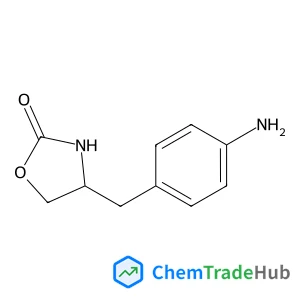
(4S)-4-(4-Aminobenzyl)-1,3-oxazolidin-2-one(CAS: 152305-23-2)
CAS Number
Related Products
![6-Amino-4-{[3-chloro-4-(2-pyridinylmethoxy)phenyl]amino}-7-ethoxy-3-quinolinecarbonitrile](https://static.chemtradehub.com/structs/848/848139-78-6-b43c.webp)
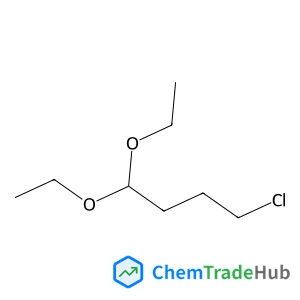
4-Chloro-1,1-diethoxybutane
CAS Number: 6139-83-9
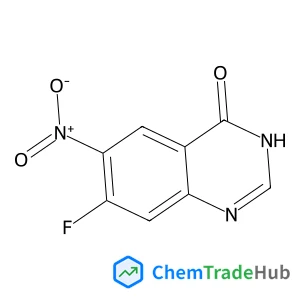
Afatinib Impurity 48
CAS Number: 162012-69-3
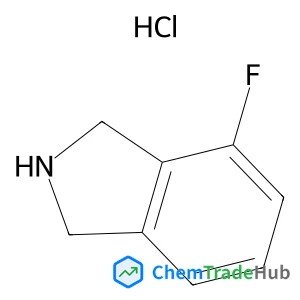
4-Fluoroisoindoline Hydrochloride
CAS Number: 924305-06-6
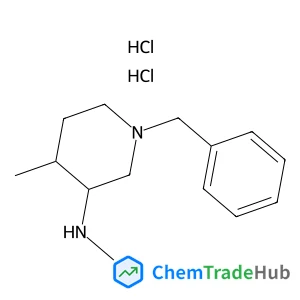
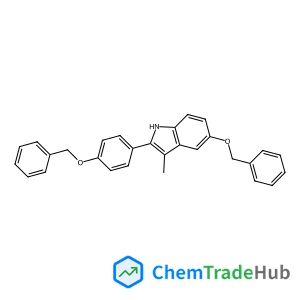
Bazedoxifene Impurity 11
CAS Number: 198479-63-9
![4-Chloro-7H-pyrrolo[2,3-d]pyrimidine](https://static.chemtradehub.com/structs/368/3680-69-1-6535.webp)
4-Chloro-7H-pyrrolo[2,3-d]pyrimidine
CAS Number: 3680-69-1
Other Suppliers for (4S)-4-(4-Aminobenzyl)-1,3-oxazolidin-2-one







Basic Information
Molecular Formula
C10H12N2O2
Molecular Weight
192.22 g/mol
Physical State
Powder
Physical Properties
Melting Point
107-111 °C
Boiling Point
479.7 °C at 760 mmHg
Density
1.2570
Flash Point
243.9℃
Chemical Identifiers
SMILES
C1C(NC(=O)O1)CC2=CC=C(C=C2)N
InChIKey
WNAVSKJKDPLWBD-VIFPVBQESA-N
Database References
MDL Number
MFCD03411476
FAQ
Regulatory guidelines for (4S)-4-(4-Aminobenzyl)-1,3-oxazolidin-2-one (CAS: 152305-23-2) include GHS classification, REACH regulations, and FDA/EPA related requirements. The compound is classified as non-toxic according to the Globally Harmonized System of Classification and Labeling of Chemicals (GHS). In the context of REACH, it is subject to registration and reporting obligations. FDA and EPA regulations may also apply for specific uses in pharmaceuticals and chemicals.
There are several alternatives to (4S)-4-(4-Aminobenzyl)-1,3-oxazolidin-2-one (CAS: 152305-23-2) in synthesis, including other oxazolidinones such as (4S)-4-(4-Chlorobenzyl)-1,3-oxazolidin-2-one and (4S)-4-(2-Aminobenzyl)-1,3-oxazolidin-2-one. Common alternative reagents include substituted oxazolidinones and other heterocyclic compounds that serve similar functions. These alternatives can offer similar or enhanced properties depending on the specific application.
The market and research trends for (4S)-4-(4-Aminobenzyl)-1,3-oxazolidin-2-one (CAS: 152305-23-2) are focused on its use in pharmaceuticals and as a precursor in organic synthesis. Recent research highlights its potential in antibacterial applications and as a chiral auxilary. Market demand is growing due to its unique structural features and biological activities. However, the trend is also influenced by the development of related compounds and the discovery of new synthetic routes.
Waste containing (4S)-4-(4-Aminobenzyl)-1,3-oxazolidin-2-one (CAS: 152305-23-2) should be collected and disposed of according to local and international regulations. Proper waste management includes neutralizing any acidic or basic components before disposal. Incineration is a common method for disposal, and professional waste disposal services are recommended. Environmental protection precautions include ensuring no hazardous residues are released into the environment. This compound is not considered highly toxic, but safe handling procedures should be followed.
Safety Notice
Please verify product specifications and safety data before use. Contact the supplier for detailed safety information.
Always follow proper handling procedures
Contact Information
sedswyy@126.com