



AD
1,4-Dioxacycloheptadecane-5,17-dione(CAS: 105-95-3)

CAS Number
Related Products
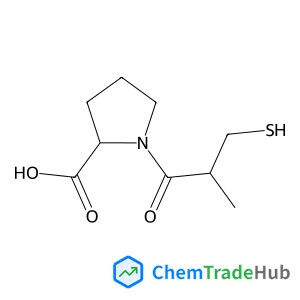
Captopril
CAS Number: 62571-86-2
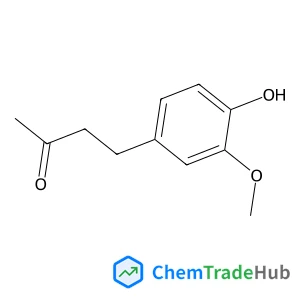
4-(4-Hydroxy-3-methoxyphenyl)-2-butanone
CAS Number: 122-48-5
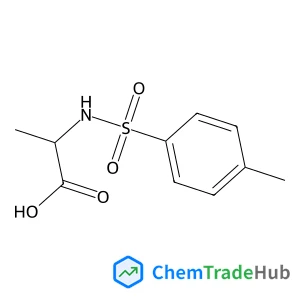
N-Tosyl-L-alanine
CAS Number: 21957-58-4
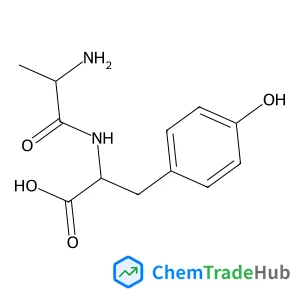
Alanyl-L-tyrosine
CAS Number: 3061-88-9
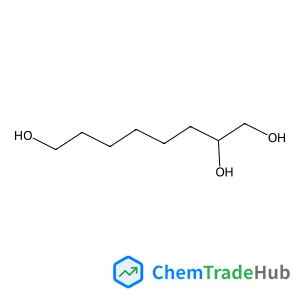
Octane-1,2,8-triol
CAS Number: 382631-43-8
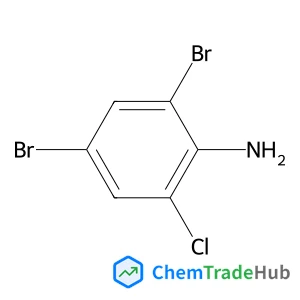
2,4-Dibromo-6-chloroaniline
CAS Number: 874-18-0
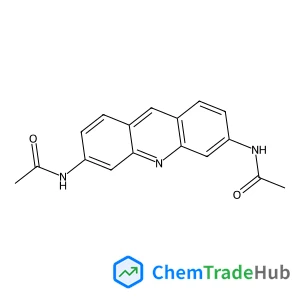
N,N'-3,6-Acridinediyldiacetamide
CAS Number: 15724-70-6
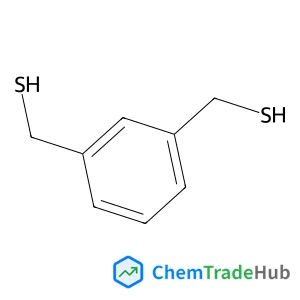
1,3-Phenylenedimethanethiol
CAS Number: 41563-69-3

Other Suppliers for 1,4-Dioxacycloheptadecane-5,17-dione





Basic Information
Molecular Formula
C15H26O4
Molecular Weight
270.37 g/mol
Physical Properties
Boiling Point
142°C/1mmHg(lit.)
Flash Point
200 ºF
Chemical Identifiers
SMILES
C1CCCCCC(=O)OCCOC(=O)CCCCC1
InChIKey
XRHCAGNSDHCHFJ-UHFFFAOYSA-N
Database References
MDL Number
MFCD00046977
FAQ
1,4-Dioxacycloheptadecane-5,17-dione (CAS: 105-95-3) is a colorless solid with a crystalline form. It has a molecular weight of approximately 266.31 g/mol. This compound is poorly soluble in water but soluble in common organic solvents like ethanol and acetone. It is a cyclic ketone and exhibits moderate reactivity, particularly with nucleophiles. It is non-toxic but can irritate the skin and eyes; proper handling and appropriate personal protective equipment are recommended.
1,4-Dioxacycloheptadecane-5,17-dione (CAS: 105-95-3) is typically synthesized through the cyclization of 1,7-dihydroxyheptane in the presence of a strong acid catalyst. The reaction involves dehydration and subsequent condensation to form the dione. The yield is usually around 70-80%, and the process is selective, producing the desired cyclic compound with good purity. Detailed conditions and reactions can be found in organic chemistry literature.
1,4-Dioxacycloheptadecane-5,17-dione (CAS: 105-95-3) is used in a variety of industries. It serves as a precursor in the pharmaceutical sector for the synthesis of certain biologically active compounds. In the polymer industry, it can be used in the development of novel materials. Additionally, it is utilized in the semiconductor industry for specific applications due to its chemical properties, and it has potential applications in sensor technology and other advanced materials.
What precautions should be taken when handling 1,4-Dioxacycloheptadecane-5,17-dione (CAS: 105-95-3)?
When handling 1,4-Dioxacycloheptadecane-5,17-dione (CAS: 105-95-3), it is important to wear appropriate personal protective equipment (PPE), such as gloves, safety goggles, and a lab coat. Handling should be done in a well-ventilated area, and the use of a fume hood is recommended to minimize exposure. In case of a spill, it should be handled carefully, and appropriate safety measures should be followed. Always refer to the Material Safety Data Sheet (MSDS) for detailed safety information and guidelines.
Safety Notice
Please verify product specifications and safety data before use. Contact the supplier for detailed safety information.
Always follow proper handling procedures
Contact Information
Contact Person
Zhang Zeyuan
Sales-CN@TCIchemicals.com