



AD
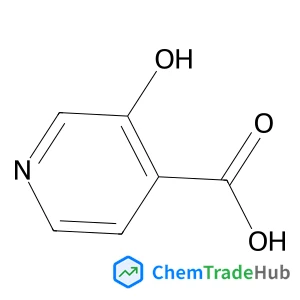
3-Hydroxyisonicotinic acid(CAS: 10128-71-9)
CAS Number
Related Products
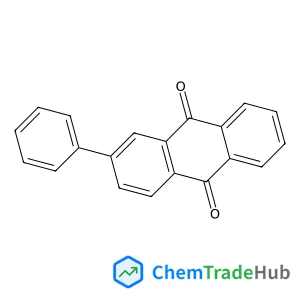
2-Phenyl-9,10-anthraquinone
CAS Number: 6485-97-8
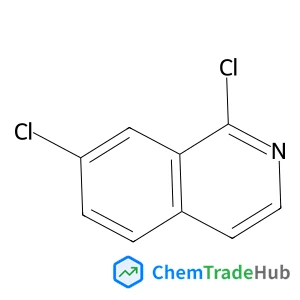
1,7-Dichloroisoquinoline
CAS Number: 70810-24-1
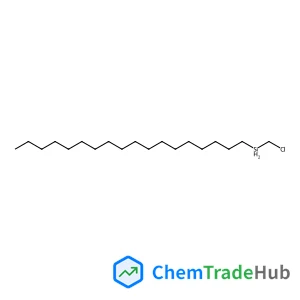
Silane, chloromethyloctadecyl-
CAS Number: 124694-97-9
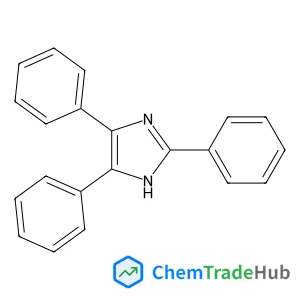
2,4,5-Triphenyl-1H-imidazole
CAS Number: 484-47-9
![[4-(Difluoromethoxy)phenyl]acetonitrile](https://static.chemtradehub.com/structs/414/41429-16-7-ae43.webp)
Other Suppliers for 3-Hydroxyisonicotinic acid






Basic Information
Molecular Formula
C6H5NO3
Molecular Weight
139.11 g/mol
Physical State
Pale-yellow to Yellow-brown Solid
Physical Properties
Melting Point
315°C(dec.)(lit.)
Boiling Point
519.3°C at 760 mmHg
Density
1.485
Flash Point
267.9°C
Water Solubility
Soluble in methanol. Slightly soluble in water.
Chemical Identifiers
SMILES
C1=CN=CC(=C1C(=O)O)O
InChIKey
JEHGATQUCUYHJL-UHFFFAOYSA-N
Database References
MDL Number
MFCD00234165
Beilstein Registry Number
383677
FAQ
3-Hydroxyisonicotinic acid (CAS: 10128-71-9) is regulated under the Globally Harmonized System of Classification and Labeling of Chemicals (GHS), which requires specific hazard communication elements such as signal words, pictograms, and safety data sheets (SDS). In Europe, REACH regulations may apply, requiring registration, evaluation, and authorization for substances. Additionally, the U.S. Environmental Protection Agency (EPA) and the Food and Drug Administration (FDA) may have specific regulations for its handling and use in pharmaceutical or industrial settings.
While 3-Hydroxyisonicotinic acid (CAS: 10128-71-9) is a specific compound, there are alternative reagents that can be used in its synthesis, such as nicotinic acid derivatives or related carboxylic acids. These alternatives can offer similar functionalities and may be more readily available or cost-effective depending on the specific application.
The market for 3-Hydroxyisonicotinic acid (CAS: 10128-71-9) is driven by its use in pharmaceuticals and research for its potential as a chelating agent and as a component in certain formulations. Research trends include its application in drug discovery and as a precursor in organic synthesis. Market trends suggest increasing demand due to its versatile chemical properties and potential therapeutic applications.
Waste containing 3-Hydroxyisonicotinic acid (CAS: 10128-71-9) should be collected in appropriate containers and labeled with the correct hazard symbols. For proper disposal, it should be incinerated or handled by a professional waste disposal service that meets environmental protection standards. Environmental precautions include ensuring that waste is not released into the environment and that all disposal methods comply with local, national, and international regulations.
Safety Notice
Please verify product specifications and safety data before use. Contact the supplier for detailed safety information.
Always follow proper handling procedures
Contact Information
Contact Person
Li Jun
2801519207@qq.com