



AD
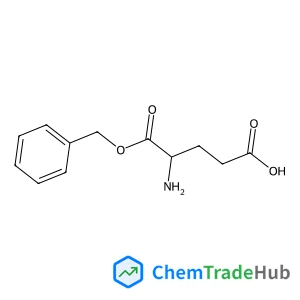
(4S)-4-Ammonio-5-(benzyloxy)-5-oxopentanoate(CAS: 13030-09-6)
CAS Number
Related Products
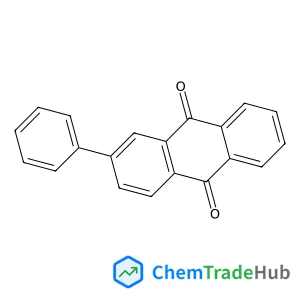
2-Phenyl-9,10-anthraquinone
CAS Number: 6485-97-8
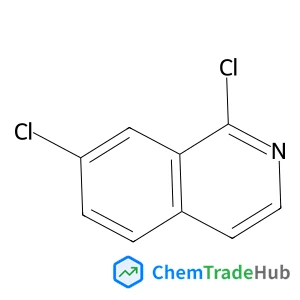
1,7-Dichloroisoquinoline
CAS Number: 70810-24-1
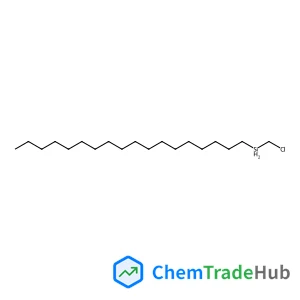
Silane, chloromethyloctadecyl-
CAS Number: 124694-97-9
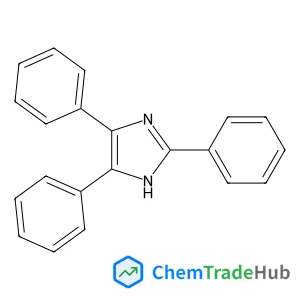
2,4,5-Triphenyl-1H-imidazole
CAS Number: 484-47-9
![[4-(Difluoromethoxy)phenyl]acetonitrile](https://static.chemtradehub.com/structs/414/41429-16-7-ae43.webp)
Other Suppliers for (4S)-4-Ammonio-5-(benzyloxy)-5-oxopentanoate





Basic Information
Molecular Formula
C12H15NO4
Molecular Weight
237.26 g/mol
Physical Properties
Melting Point
157°C
Boiling Point
416℃ at 760 mmHg
Density
1.2450
Flash Point
205.4±27.3 °C
Chemical Identifiers
SMILES
C1=CC=C(C=C1)COC(=O)C(CCC(=O)O)N
InChIKey
HFZKKJHBHCZXTQ-JTQLQIEISA-N
Database References
MDL Number
MFCD00037312
Beilstein Registry Number
2534743
FAQ
Regulatory guidelines for (4S)-4-Ammonio-5-(benzyloxy)-5-oxopentanoate (CAS: 13030-09-6) include classification according to the GHS system, which covers health, environmental, and physical hazards. Additionally, it is subject to the Registration, Evaluation, Authorization and Restriction of Chemicals (REACH) regulations in the European Union. In the United States, the FDA and EPA have specific requirements for the handling and labeling of this compound based on its intended use.
Several alternatives can be used in the synthesis of (4S)-4-Ammonio-5-(benzyloxy)-5-oxopentanoate (CAS: 13030-09-6). Common alternatives include other aminobenzyloxy compounds, such as (4S)-4-ammonio-5-(chlorobenzyloxy)-5-oxopentanoate, which can serve similar functional roles in various chemical processes. Additionally, isomers like (4R)-isomers can be used depending on the specific application.
The market for (4S)-4-Ammonio-5-(benzyloxy)-5-oxopentanoate (CAS: 13030-09-6) is characterized by growing interest in its use as a key intermediate in pharmaceutical and fine chemical synthesis. Research trends are focusing on its application in drug discovery and development, particularly in the areas of anticancer and antiviral agents. Additionally, there is increasing demand for its use in biocatalysis and as a chiral auxiliary.
Waste containing (4S)-4-Ammonio-5-(benzyloxy)-5-oxopentanoate (CAS: 13030-09-6) should be collected in appropriate containers and disposed of according to local regulations. Incineration is a common method for disposal, but professional waste disposal services are recommended due to the compound's potential toxicity and environmental impact. Proper precautions include ensuring adequate ventilation and protective equipment to minimize exposure. Environmental protection measures should be in place to prevent contamination of water and soil.
Safety Notice
Please verify product specifications and safety data before use. Contact the supplier for detailed safety information.
Always follow proper handling procedures
Contact Information
Contact Person
Li Jun
2801519207@qq.com