



AD
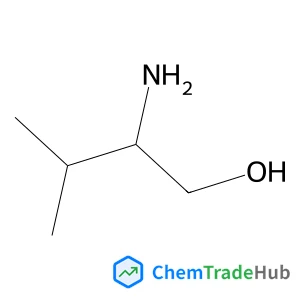
(2S)-2-Amino-3-methyl-1-butanol(CAS: 4276-09-9)
CAS Number
Related Products
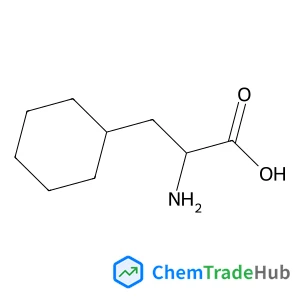
3-Cyclohexyl-L-alanine
CAS Number: 27527-05-5
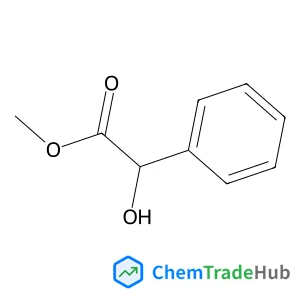
Methyl (2R)-hydroxy(phenyl)acetate
CAS Number: 20698-91-3
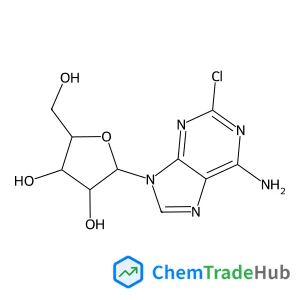
2-Chloroadenosine
CAS Number: 146-77-0
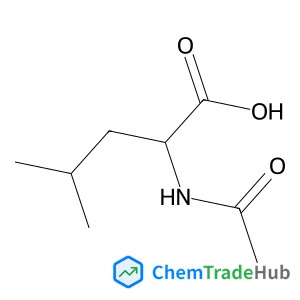
N-Acetyl-L-(-)-leucine
CAS Number: 1188-21-2
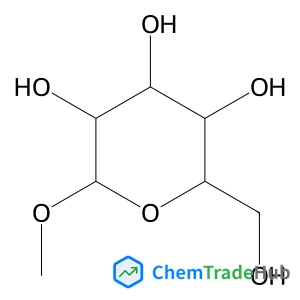
Methyl alpha-D-glucopyranoside
CAS Number: 97-30-3
Other Suppliers for (2S)-2-Amino-3-methyl-1-butanol





Basic Information
Molecular Formula
C5H13NO
Molecular Weight
103.16 g/mol
Physical Properties
Melting Point
35-36 °C (lit.)
Boiling Point
189-190 ºC
Chemical Identifiers
SMILES
CC(C)C(CO)N
InChIKey
NWYYWIJOWOLJNR-RXMQYKEDSA-N
Database References
MDL Number
MFCD00064297
Beilstein Registry Number
1719138
FAQ
(2S)-2-Amino-3-methyl-1-butanol is a colorless to light yellow liquid with a molecular weight of approximately 123.18 g/mol. It has a pKa of about 11.3, indicating basic properties. The compound is slightly soluble in water but soluble in organic solvents like ethanol and acetone. It reacts with acids to form salts and with aldehydes to undergo condensation reactions. It is commonly used in pharmaceutical applications due to its reactivity and biological activity.
(2S)-2-Amino-3-methyl-1-butanol can be synthesized via reduction of 3-methyl-1-butanone oxime with sodium borohydride or lithium aluminum hydride. Another method involves the condensation of 3-methyl-2-nitropropanoic acid with hydrazine followed by hydrolysis and reduction. The reaction yields good to excellent selectivity and high yields, making it a versatile intermediate in organic synthesis.
(2S)-2-Amino-3-methyl-1-butanol is primarily used in the pharmaceutical industry for the synthesis of antibiotics, particularly cephalosporins. It also finds application in the production of certain polymers and as a starting material in the development of new materials for sensors and semiconductors. Its biological activity and reactivity make it a valuable compound in these sectors.
When handling (2S)-2-Amino-3-methyl-1-butanol, it is important to wear appropriate personal protective equipment (PPE) such as gloves, goggles, and a lab coat. The compound should be used in a well-ventilated area or within a fume hood to prevent inhalation of any vapors. Spills should be cleaned up using appropriate absorbents, and the area should be thoroughly rinsed with water. Always refer to the Safety Data Sheet (SDS) for detailed instructions on safe handling and disposal. Storage should be in a cool, dry place away from direct sunlight and sources of ignition.
Safety Notice
Please verify product specifications and safety data before use. Contact the supplier for detailed safety information.
Always follow proper handling procedures
Contact Information
info@sh-ring.com