



AD
2,4-Dinitrobenzaldehyde(CAS: 528-75-6)
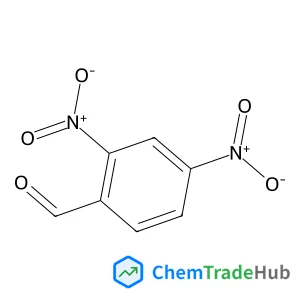
CAS Number
Related Products
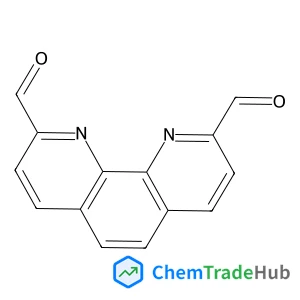
1,10-Phenanthroline-2,9-dicarbaldehyde
CAS Number: 57709-62-3
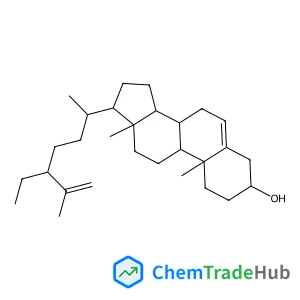
(3beta,24S)-Stigmasta-5,25-dien-3-ol
CAS Number: 2364-23-0
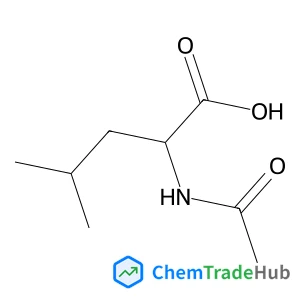
N-Acetyl-D-leucine
CAS Number: 99-15-0
![[1-(Methoxycarbonyl)-1H-indol-2-yl]boronic acid](https://static.chemtradehub.com/structs/100/1001162-89-5-faba.webp)

Ditelluroxomolybdenum
CAS Number: 12058-20-7
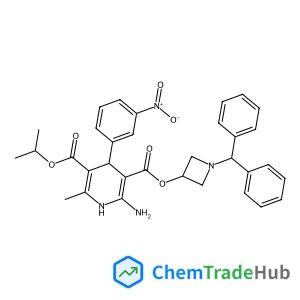
Azelnidipine
CAS Number: 123524-52-7
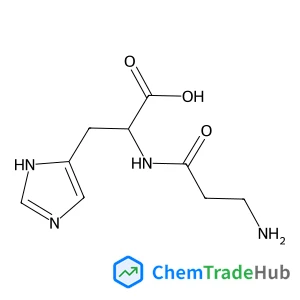
beta-Alanylhistidine
CAS Number: 9001-91-6
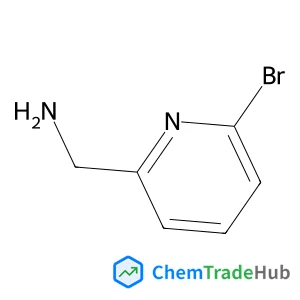
1-(6-Bromo-2-pyridinyl)methanamine
CAS Number: 188637-63-0
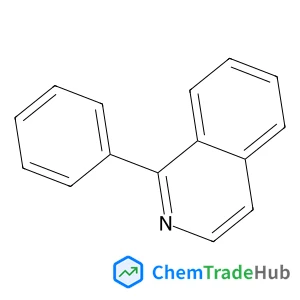
1-Phenylisoquinoline
CAS Number: 3297-72-1
Other Suppliers for 2,4-Dinitrobenzaldehyde






Basic Information
Molecular Formula
C7H4N2O5
Molecular Weight
196.12 g/mol
Physical State
Solid
Physical Properties
Melting Point
66-70 °C (lit.)
Boiling Point
190 °C/10 mmHg(lit.)
Flash Point
190℃/10mm
Chemical Identifiers
SMILES
C1=CC(=C(C=C1[N+](=O)[O-])[N+](=O)[O-])C=O
InChIKey
ZILXIZUBLXVYPI-UHFFFAOYSA-N
Database References
MDL Number
MFCD00013376
Beilstein Registry Number
1878706
FAQ
2,4-Dinitrobenzaldehyde (CAS: 528-75-6) is classified under GHS as a hazardous substance due to its flammability and potential health risks. It is subject to REACH regulations in the EU, requiring registration if imported or manufactured in quantities above 1 ton per year. FDA and EPA have specific guidelines for its use and handling in the United States, including strict storage and disposal requirements to prevent environmental contamination.
Yes, several alternatives to 2,4-Dinitrobenzaldehyde (CAS: 528-75-6) are available for synthesis, such as 2-nitrobenzaldehyde and 4-nitrobenzaldehyde. These compounds can serve similar roles in different chemical reactions. Other substitutes include isomers and analogs, which may offer better reactivity or selectivity in specific applications. However, the choice of alternative depends on the desired reaction outcome and the specific requirements of the research or industrial process.
The market for 2,4-Dinitrobenzaldehyde (CAS: 528-75-6) has shown stability in recent years, driven by its use in the production of dyes, pigments, and as an intermediate in pharmaceuticals. Research trends are focusing on exploring its potential as a precursor in the synthesis of new compounds with improved properties. There is also growing interest in its application in organic synthesis due to its reactivity and functional groups. However, the demand is subject to market dynamics and regulatory changes.
Waste containing 2,4-Dinitrobenzaldehyde (CAS: 528-75-6) should be collected in appropriate containers and labeled as hazardous waste. Proper disposal methods include incineration, which should be carried out at an authorized facility, or professional waste disposal services. Environmental protection precautions include ensuring no spillage or runoff occurs and following all local and national regulations. Safe handling and storage are critical to prevent any potential hazards during transportation and disposal.
Safety Notice
Please verify product specifications and safety data before use. Contact the supplier for detailed safety information.
Always follow proper handling procedures

Contact Information
1148980033@qq.com
Mobile
15827180502
Telephone
027-59210159
Fax
QQ:1148980033,1148380099
Visit Website
http://www.wande-chem.com