



AD
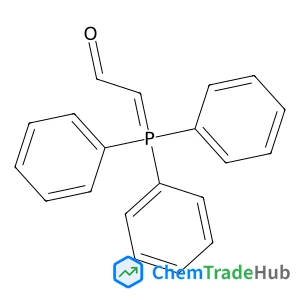
(Triphenylphosphoranylidene)acetaldehyde(CAS: 2136-75-6)
CAS Number
Related Products
![Methyl [1-(sulfanylmethyl)cyclopropyl]acetate](https://static.chemtradehub.com/structs/152/152922-73-1-c5f7.webp)
![1-[4-(Benzyloxy)-3-nitrophenyl]ethanone](https://static.chemtradehub.com/structs/143/14347-05-8-7fc5.webp)
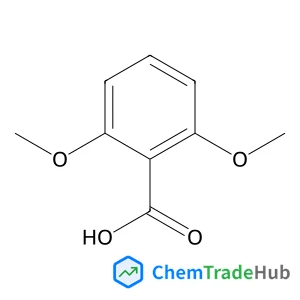
2,6-Dimethoxybenzoic acid
CAS Number: 1466-76-8
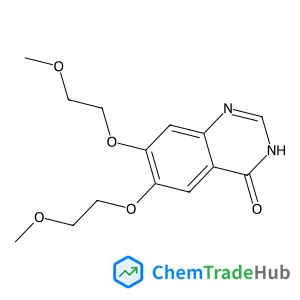
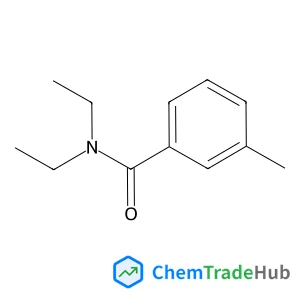
N,N-Diethyl-m-Toluamide
CAS Number: 134-62-3
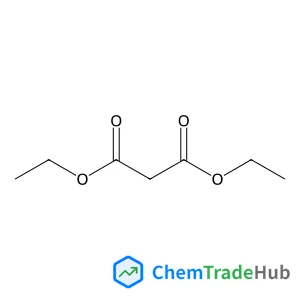
Diethyl malonate
CAS Number: 105-53-3
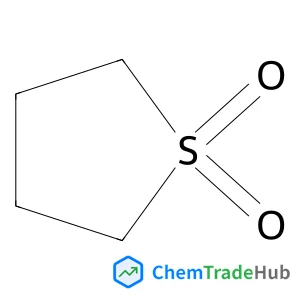
Tetrahydrothiophene 1,1-dioxide
CAS Number: 126-33-0
Other Suppliers for (Triphenylphosphoranylidene)acetaldehyde




Basic Information
Molecular Formula
C20H17OP
Molecular Weight
304.33 g/mol
Physical Properties
Melting Point
185-188 °C (lit.)
Boiling Point
472.6°C at 760 mmHg
Density
1.16
Flash Point
239.6°C
Chemical Identifiers
SMILES
C1=CC=C(C=C1)P(=CC=O)(C2=CC=CC=C2)C3=CC=CC=C3
InChIKey
CQCAYWAIRTVXIY-UHFFFAOYSA-N
Database References
MDL Number
MFCD00006994
Beilstein Registry Number
523797
FAQ
(Triphenylphosphoranylidene)acetaldehyde is an organophosphorus compound with the chemical formula C18H16O2P. It is a yellow solid with a characteristic acetaldehyde odor and is known for its reactivity in organic synthesis. This compound is commonly used as a precursor in the formation of various phosphorus-containing compounds and is valued for its stability under certain conditions.
(Triphenylphosphoranylidene)acetaldehyde is primarily used in pharmaceutical and chemical research for synthesizing phosphorus-based compounds. It serves as an intermediate in the production of drugs and specialty chemicals. Additionally, it finds application in organic synthesis as a source of phosphorus ylides, which are important in forming carbon-carbon bonds in complex molecules.
While (Triphenylphosphoranylidene)acetaldehyde is generally considered stable in controlled environments, it should be handled with care due to its potential reactivity. Safety data sheets recommend using appropriate personal protective equipment (PPE) and working in a well-ventilated area. It is not classified as highly toxic but may cause irritation if not handled properly.
(Triphenylphosphoranylidene)acetaldehyde should be stored in a cool, dry, and dark place, ideally at 0–8°C. It is sensitive to moisture and light, so it must be kept in a sealed container. Storage in airtight, non-reactive containers is essential to maintain its stability and prevent degradation over time.
Safety Notice
Please verify product specifications and safety data before use. Contact the supplier for detailed safety information.
Always follow proper handling procedures
Contact Information
Contact Person
Zhu Fangran
847441157@qq.com