



AD
Triisopropyl phosphite(CAS: 116-17-6)
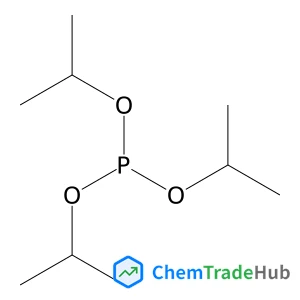
CAS Number
Related Products

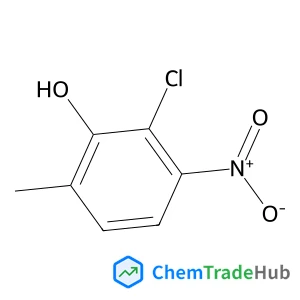
2-Chloro-6-methyl-3-nitrophenol
CAS Number: 39183-20-5
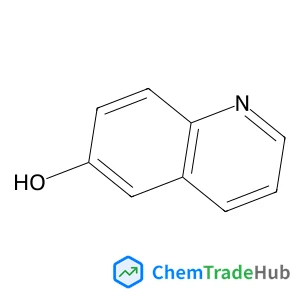
6-Quinolinol
CAS Number: 580-16-5

1-Dodecene
CAS Number: 112-41-4
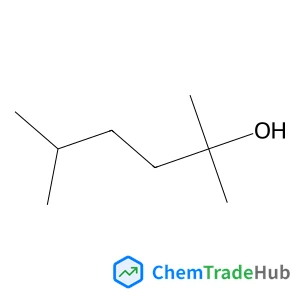
2,5-Dimethyl-2-hexanol
CAS Number: 3730-60-7

11-Methyl-1-dodecanol
CAS Number: 68526-86-3
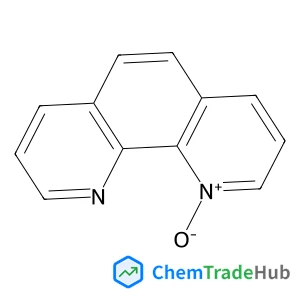
1,10-Phenanthroline 1-oxide
CAS Number: 1891-19-6
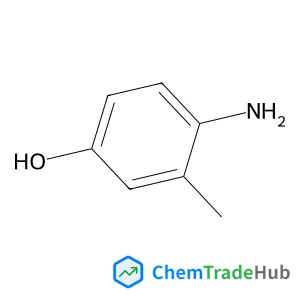
4-Amino-3-methylphenol
CAS Number: 2835-99-6

1,1,3-Trimethoxypropane
CAS Number: 14315-97-0
Other Suppliers for Triisopropyl phosphite






Basic Information
Molecular Formula
C9H21O3P
Molecular Weight
208.24 g/mol
Physical Properties
Boiling Point
63-64 °C/11 mmHg(lit.)
Chemical Identifiers
SMILES
CC(C)OP(OC(C)C)OC(C)C
InChIKey
SJHCUXCOGGKFAI-UHFFFAOYSA-N
Database References
MDL Number
MFCD00008874
Beilstein Registry Number
1701528
FAQ
Triisopropyl phosphite (CAS: 116-17-6) falls under the scope of several regulatory guidelines. It is classified according to the Globally Harmonized System of Classification and Labelling of Chemicals (GHS) as a flammable liquid and requires appropriate hazard communication labels. In the European Union, it is regulated under REACH for potential exposure to workers and the environment. The U.S. Food and Drug Administration (FDA) and the Environmental Protection Agency (EPA) also have specific requirements for handling, storage, and disposal, particularly in relation to its flammability and potential for vapor release.
Triisopropyl phosphite (CAS: 116-17-6) is commonly used in organic synthesis as a phosphorus-containing reagent. Alternatives include other phosphorus compounds such as triphenyl phosphine, tributyl phosphine, and various phosphorus oxy-esters. Depending on the specific application, isopropyl or other alkyl phosphites can also be considered as alternatives. It is important to consider the reactivity, solubility, and functional group compatibility when selecting an alternative.
The market for triisopropyl phosphite (CAS: 116-17-6) is primarily driven by its use in organic synthesis, particularly in the production of pharmaceuticals, agrochemicals, and polymers. Research trends indicate increasing interest in developing more sustainable and environmentally friendly phosphorus-containing compounds. Additionally, there is growing focus on reducing the use of flammable solvents and exploring alternatives that offer similar reactivity and functionality.
Waste containing triisopropyl phosphite (CAS: 116-17-6) should be collected in appropriate containers and stored in a well-ventilated area away from sources of ignition. Prior to disposal, the waste should be treated or neutralized to reduce its flammability and toxicity. Incineration is a common method for disposal, provided it is conducted in compliance with local regulations. Alternatively, professional waste disposal services can handle the waste in a manner that ensures environmental protection and compliance with safety standards.
Safety Notice
Please verify product specifications and safety data before use. Contact the supplier for detailed safety information.
Always follow proper handling procedures
Contact Information
Contact Person
Fang Chao
3003755934@qq.com