



AD
N,4-Dimethylaniline(CAS: 623-08-5)
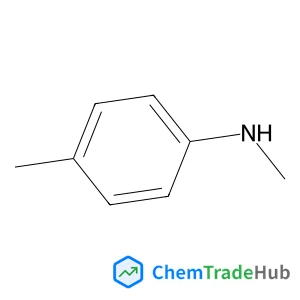
CAS Number
Related Products
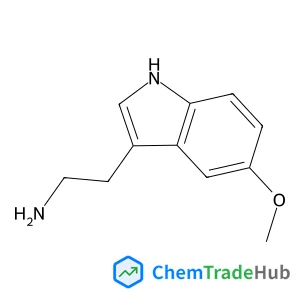
(5-Methoxy-1H-indol-3-yl)acetic acid
CAS Number: 608-07-1
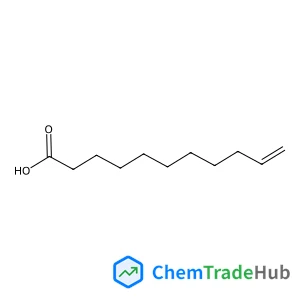
10-Undecenoic acid
CAS Number: 112-38-9
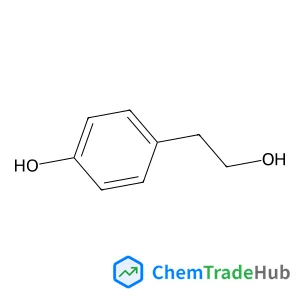
4-(2-Hydroxyethyl)phenol
CAS Number: 501-94-0
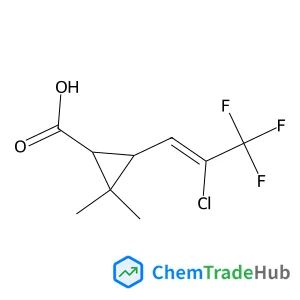
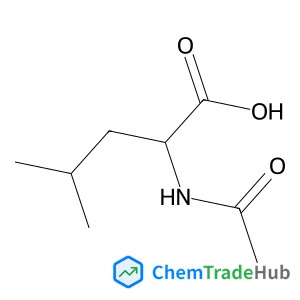
N-Acetyl-L-(-)-leucine
CAS Number: 1188-21-2
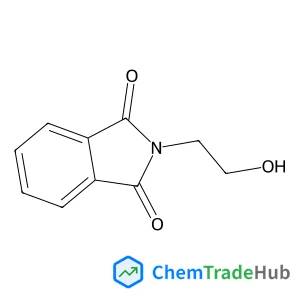
![Zinc bis[(9Z,12R)-12-hydroxy-9-octadecenoate]](https://static.chemtradehub.com/structs/130/13040-19-2-d3b1.webp)
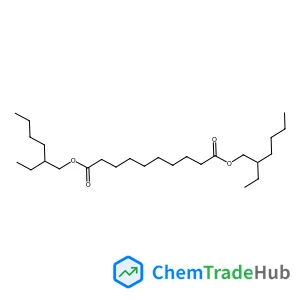
Bis(2-ethylhexyl) sebacate
CAS Number: 122-62-3
Other Suppliers for N,4-Dimethylaniline



Basic Information
Molecular Formula
C8H11N
Molecular Weight
121.18 g/mol
Physical Properties
Melting Point
-10.08°C (estimate)
Boiling Point
212°C(lit.)
Density
0.958 g/mL at 25 °C(lit.)
Chemical Identifiers
SMILES
CC1=CC=C(C=C1)NC
InChIKey
QCIFLGSATTWUQJ-UHFFFAOYSA-N
Database References
MDL Number
MFCD00025628
FAQ
N,4-Dimethylaniline (CAS: 623-08-5) is classified as a hazardous chemical under the Globally Harmonized System of Classification and Labeling of Chemicals (GHS) due to its flammability and toxicity. It is regulated by the REACH regulations in the European Union, which require manufacturers and importers to register substances with the European Chemicals Agency. Additionally, the FDA and EPA have specific requirements for handling and reporting on the use of this compound in the United States.
There are several alternatives to N,4-Dimethylaniline (CAS: 623-08-5) that can be used in synthesis, such as anisidine and other aniline derivatives. These alternatives may offer similar or improved properties depending on the specific application. Common substitutes include p-toluidine and 2,4-dimethylanisole, which are also used in various chemical processes.
The market for N,4-Dimethylaniline (CAS: 623-08-5) is relatively stable, with demand primarily driven by its use in the dye industry. Research trends focus on its application in the production of dyes and pigments, as well as in the synthesis of pharmaceuticals and other organic compounds. Recent studies are exploring its potential in new applications and the development of more environmentally friendly alternatives.
Waste containing N,4-Dimethylaniline (CAS: 623-08-5) should be handled carefully due to its hazardous nature. Collection should be done by trained personnel, and the waste should be stored in appropriate containers to prevent spills. For disposal, it is recommended to use professional waste disposal services that cater to hazardous chemicals. Incineration is a common method of disposal, but this must be done in an industrial incinerator that meets regulatory standards. Environmental protection measures should include the use of containment berms and spill kits to prevent environmental contamination.
Safety Notice
Please verify product specifications and safety data before use. Contact the supplier for detailed safety information.
Always follow proper handling procedures
Contact Information
Contact Person
Mr. Zhang
3521670276@qq.com