



AD
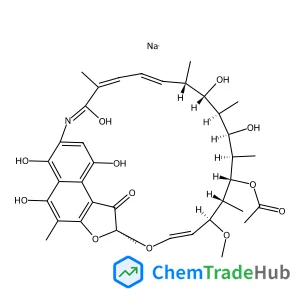
Rifamycin sodium(CAS: 14897-39-3)
CAS Number
Related Products
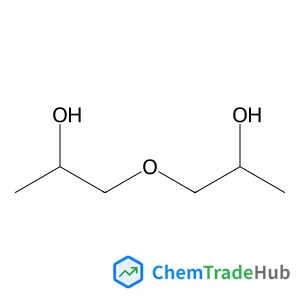
1,1'-Oxydi(2-propanol)
CAS Number: 110-98-5
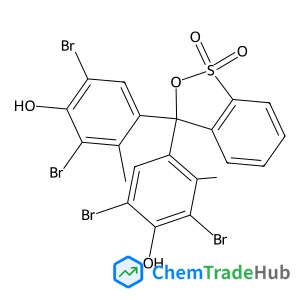
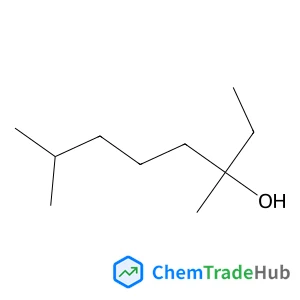
Aprepitant Impurity 19
CAS Number: 78-69-3
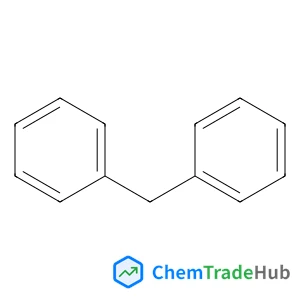
1,1'-Methylenedibenzene
CAS Number: 101-81-5
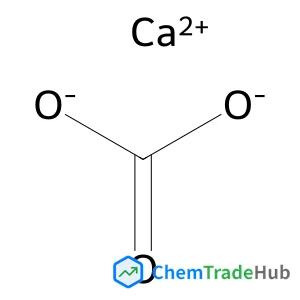
Calcium carbonate, powder
CAS Number: 471-34-1
![Dimethyl [(2,4-dimethoxybenzyl)amino]malonate](https://static.chemtradehub.com/structs/439/439089-66-4-d015.webp)
![5H-Dibenzo[b,f]azepine-5-carboxamide](https://static.chemtradehub.com/structs/298/298-46-4-91b9.webp)
5H-Dibenzo[b,f]azepine-5-carboxamide
CAS Number: 298-46-4
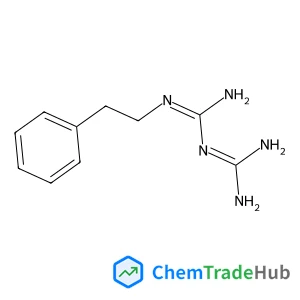
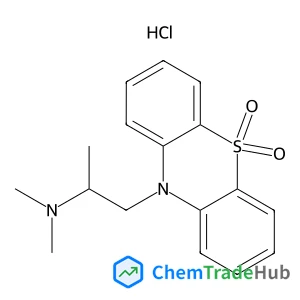
Dioxopromethazine Hydrochloride
CAS Number: 15374-15-9
Other Suppliers for Rifamycin sodium


Basic Information
Molecular Formula
C37H47NNaO12
Molecular Weight
720.76 g/mol
Physical Properties
Melting Point
152-163°C
Water Solubility
Soluble in water, alcohol and dimethyl sulfoxide.
Chemical Identifiers
SMILES
CO[C@H]1/C=C/O[C@@]2(C)Oc3c(C2=O)c2c(O)cc(c(c2c(c3C)O)O)/N=C(/C(=C\C=C\[C@@H]([C@@H]([C@H]([C@H]([C@H]([C@@H]([C@@H]1C)OC(=O)C)C)O)C)O)C)/C)\O.[Na]
InChIKey
URCDBMLCEGDNOK-NLYBMVFSSA-N
Database References
MDL Number
MFCD00056847
FAQ
Rifamycin sodium is an antibiotic compound used primarily in the treatment of bacterial infections. It belongs to the rifamycin class of drugs and has the chemical formula C25H34N4O11. This compound is known for its broad-spectrum antimicrobial activity, particularly against mycobacteria, and is typically used in pharmaceutical formulations for its effectiveness in combating tuberculosis and other serious infections.
Rifamycin sodium is mainly used in pharmaceuticals to treat tuberculosis and other bacterial infections. It is also utilized in research for studying antimicrobial properties and in the development of new antibiotics. Its broad-spectrum activity makes it valuable in both clinical and industrial applications, especially in the formulation of combination therapies for resistant bacterial strains.
Rifamycin sodium is generally safe when used as directed, but it may cause side effects such as gastrointestinal discomfort, liver toxicity, and allergic reactions. Proper handling and protective measures, including gloves and eye protection, are recommended during its use. Safety standards are in place to ensure its appropriate use in medical and research settings, and it is classified as a prescription drug requiring professional supervision.
Rifamycin sodium should be stored in a cool, dry, and dark place, away from moisture and light. It is typically kept at a temperature range of 15-25°C. The compound should be placed in airtight containers to maintain its stability and prevent degradation. Proper storage conditions are essential to ensure its potency and safety for use.
Safety Notice
Please verify product specifications and safety data before use. Contact the supplier for detailed safety information.
Always follow proper handling procedures
Contact Information
18627903973@163.com