



AD
Kitasamycin tartrate(CAS: 37280-56-1)
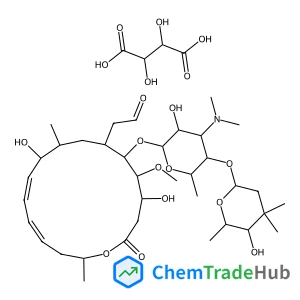
CAS Number
Related Products
![Diphenylmethyl (6R,7R)-3-hydroxy-8-oxo-7-[(phenylacetyl)amino]-5-thia-1-azabicyclo[4.2.0]oct-2-ene-2-carboxylate](https://static.chemtradehub.com/structs/546/54639-48-4-3019.webp)
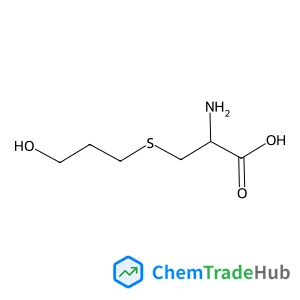
L-Cysteine, S-(3-hydroxypropyl)-
CAS Number: 13189-98-5
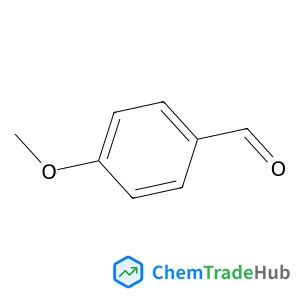
4-Methoxybenzaldehyde
CAS Number: 123-11-5
![(6R,7R)-7-({(2-Amino-1,3-thiazol-4-yl)[(carboxymethoxy)imino]acetyl}amino)-8-oxo-3-vinyl-5-thia-1-azabicyclo[4.2.0]oct-2-ene-2-carboxylic acid](https://static.chemtradehub.com/structs/793/79350-37-1-cd22.webp)
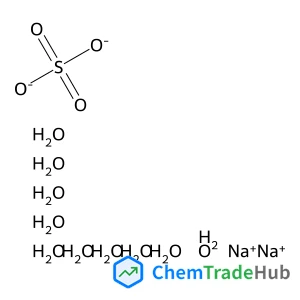
Sodium sulfate hydrate (2:1:10)
CAS Number: 7727-73-3
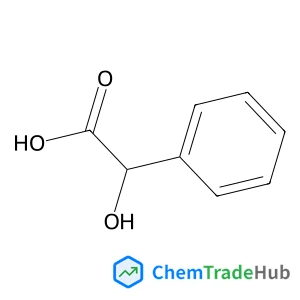
2-hydroxy-2-phenylacetic acid
CAS Number: 90-64-2
![(1-Hydroxy-2-(imidazo[1,2-a]pyridin-3-yl)ethane-1,1-diyl)diphosphonic acid](https://static.chemtradehub.com/structs/180/180064-38-4-4696.webp)
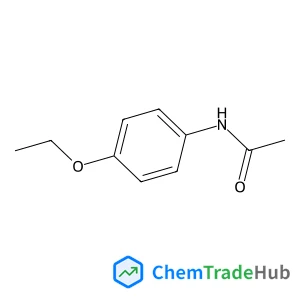
(1Z)-N-(4-Ethoxyphenyl)ethanimidic acid
CAS Number: 62-44-2
![3-carbamoyl-1-[(2R,3R,4S,5R)-5-[(hydrogen phosphonatooxy)methyl]-3,4-dihydroxyoxolan-2-yl]-1λ?-pyridin-1-ylium](https://static.chemtradehub.com/structs/109/1094-61-7-ae32.webp)
Other Suppliers for Kitasamycin tartrate
Basic Information
Molecular Formula
C40H67NO18
Molecular Weight
850 g/mol
Chemical Identifiers
SMILES
CC1CC=CC=CC(C(CC(C(C(C(CC(=O)O1)O)OC)OC2C(C(C(C(O2)C)OC3CC(C(C(O3)C)O)(C)C)N(C)C)O)CC=O)C)O.C(C(C(=O)O)O)(C(=O)O)O
InChIKey
LCDBILLRZFJKMN-RKYMYSRXSA-N
Database References
MDL Number
MFCD01773593
FAQ
Kitasamycin tartrate (CAS: 37280-56-1) is subject to regulatory guidelines such as the Globally Harmonized System of Classification and Labelling of Chemicals (GHS), European Union Registration, Evaluation, Authorisation and Restriction of Chemicals (REACH), and requirements set by the U.S. Food and Drug Administration (FDA) and Environmental Protection Agency (EPA). Compliance with these regulations is essential for its safe handling and use.
Alternatives to Kitasamycin tartrate (CAS: 37280-56-1) in synthesis include similar antibiotic derivatives, which may offer different antibacterial properties or improved synthetic routes. Common alternatives include isolevugulinic acid, carvone derivatives, and other macrolides. Researchers often explore these options to optimize antibiotic efficacy and reduce side effects.
The market trend for Kitasamycin tartrate (CAS: 37280-56-1) reflects a growing interest in novel antibiotics to combat multi-drug resistant pathogens. Research is focusing on its potential as an alternative to current antibiotics, with studies exploring its mechanism of action and clinical applications. Market dynamics indicate increased investment in developing and validating Kitasamycin tartrate for broader use in healthcare.
Waste containing Kitasamycin tartrate (CAS: 37280-56-1) should be managed carefully to prevent environmental contamination. Collection should be done using appropriate packaging to contain any spills. For disposal, professional waste disposal services are recommended. Incineration in compliance with local regulations is an effective method. Environmental protection measures include ensuring no waste is released into waterways and following all local and national disposal guidelines.
Safety Notice
Please verify product specifications and safety data before use. Contact the supplier for detailed safety information.
Always follow proper handling procedures
Contact Information
cindy@ycphar.com
Mobile
19973484683
Telephone
0734-8151183
Visit Website
http://www.jinyibiology.com