



AD
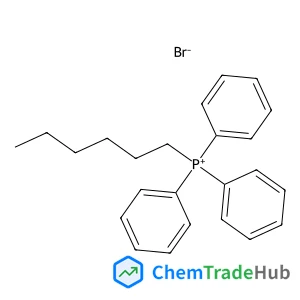
Hexyl(triphenyl)phosphonium bromide(CAS: 4762-26-9)
CAS Number
Related Products

2-Phenyl-9,10-anthraquinone
CAS Number: 6485-97-8

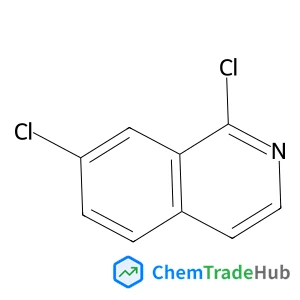
1,7-Dichloroisoquinoline
CAS Number: 70810-24-1
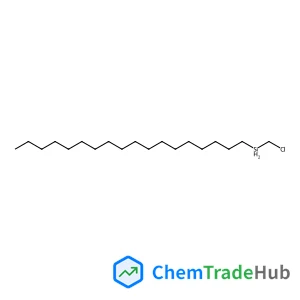
Silane, chloromethyloctadecyl-
CAS Number: 124694-97-9
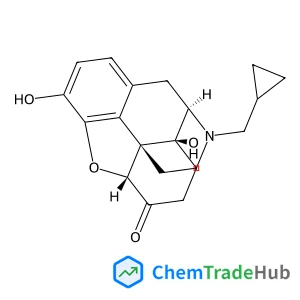

2,4,5-Triphenyl-1H-imidazole
CAS Number: 484-47-9
![[4-(Difluoromethoxy)phenyl]acetonitrile](https://static.chemtradehub.com/structs/414/41429-16-7-ae43.webp)

Other Suppliers for Hexyl(triphenyl)phosphonium bromide




Basic Information
Molecular Formula
C24H28BrP
Molecular Weight
427.4 g/mol
Physical Properties
Melting Point
199.0 to 204.0 deg-C
Flash Point
250 deg C ( 482.00 deg F)
Water Solubility
Soluble in water and methanol.
Chemical Identifiers
SMILES
CCCCCC[P+](C1=CC=CC=C1)(C2=CC=CC=C2)C3=CC=CC=C3.[Br-]
InChIKey
PWDFZWZPWFYFTC-UHFFFAOYSA-M
Database References
MDL Number
MFCD00011860
Beilstein Registry Number
3580731
FAQ
Hexyl(triphenyl)phosphonium bromide (CAS: 4762-26-9) is subject to regulatory guidelines including GHS classification, REACH regulations, and FDA/EPA requirements. It is classified under GHS as a hazardous substance due to its flammability and toxicity. REACH regulations require manufacturers and importers to register the compound if the annual tonnage exceeds 1 ton. FDA and EPA require specific documentation and testing for its use in consumer and industrial products, respectively.
There are alternative reagents available for synthesis that can be used as substitutes for Hexyl(triphenyl)phosphonium bromide (CAS: 4762-26-9). Common alternatives include other phosphonium derivatives such as tert-butyl(triphenyl)phosphonium bromide, and various organophosphorus compounds. These alternatives offer similar functionality but may differ in reactivity and cost.
The market for Hexyl(triphenyl)phosphonium bromide (CAS: 4762-26-9) is primarily driven by its use in organic synthesis and as a catalyst. Research trends focus on its application in developing new pharmaceuticals and polymers. The market is expected to grow due to increasing demand in the pharmaceutical industry. However, due to its hazardous nature, there is also a growing emphasis on finding safer alternatives.
Waste containing Hexyl(triphenyl)phosphonium bromide (CAS: 4762-26-9) should be collected in safe containers and stored in a well-ventilated area away from ignition sources. The waste should be disposed of through professional waste disposal services, typically by incineration. Environmental protection measures include ensuring proper containment to prevent leaks and spills. Appropriate personal protective equipment (PPE) should be worn during handling and disposal to minimize exposure risks.
Safety Notice
Please verify product specifications and safety data before use. Contact the supplier for detailed safety information.
Always follow proper handling procedures
Contact Information
Contact Person
Li Jun
2801519207@qq.com