



AD
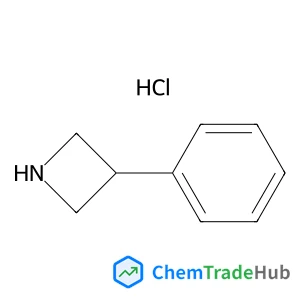
3-Phenylazetidine hydrochloride (1:1)(CAS: 7606-30-6)
CAS Number
Related Products
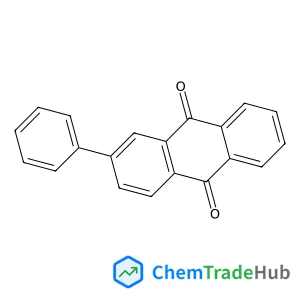
2-Phenyl-9,10-anthraquinone
CAS Number: 6485-97-8
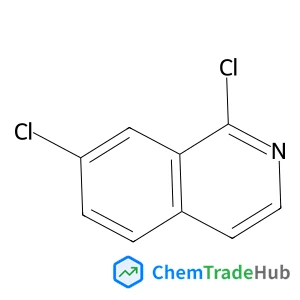
1,7-Dichloroisoquinoline
CAS Number: 70810-24-1
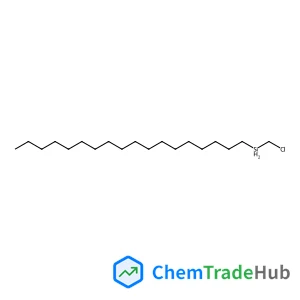
Silane, chloromethyloctadecyl-
CAS Number: 124694-97-9
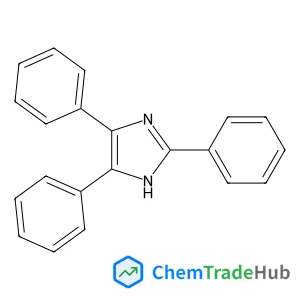
2,4,5-Triphenyl-1H-imidazole
CAS Number: 484-47-9
![[4-(Difluoromethoxy)phenyl]acetonitrile](https://static.chemtradehub.com/structs/414/41429-16-7-ae43.webp)
Other Suppliers for 3-Phenylazetidine hydrochloride (1:1)







Basic Information
Molecular Formula
C9H12ClN
Molecular Weight
169.66 g/mol
Chemical Identifiers
SMILES
C1C(CN1)C2=CC=CC=C2.Cl
InChIKey
AQGXRQBQWHYNMC-UHFFFAOYSA-N
Database References
MDL Number
MFCD08703190
FAQ
3-Phenylazetidine hydrochloride (CAS: 7606-30-6) is subject to regulatory guidelines including GHS classification for hazardous chemicals, REACH regulations for European manufacturers and importers, as well as FDA and EPA requirements for its handling, storage, and disposal in the United States. Compliance with these guidelines is critical to ensure safe and legal manufacturing, transportation, and use of the compound.
Alternatives to 3-Phenylazetidine hydrochloride (CAS: 7606-30-6) in synthesis include various azetidines and related compounds like 3-phenylazetidine, which can serve similar functions in pharmaceutical and chemical applications. Common alternative reagents include 3-phenylpiperidine and other azetidine derivatives, which may offer different synthetic pathways or improved properties.
The market for 3-Phenylazetidine hydrochloride (CAS: 7606-30-6) is influenced by its use in pharmaceuticals and as a research tool in medicinal chemistry. Recent trends show increasing interest in developing new drugs targeting specific receptors, which may drive demand for compounds like 3-Phenylazetidine hydrochloride. Research is also exploring its use in bioactive molecule synthesis and drug discovery.
Waste containing 3-Phenylazetidine hydrochloride (CAS: 7606-30-6) should be handled by collecting it in appropriate containers, labeling them with hazardous material warnings, and disposing of them through professional waste disposal services. Incineration or other controlled disposal methods are recommended to ensure environmental safety and compliance with regulatory requirements. Environmental protection measures should include proper containment to prevent spillage and contamination during handling and disposal.
Safety Notice
Please verify product specifications and safety data before use. Contact the supplier for detailed safety information.
Always follow proper handling procedures
Contact Information
Contact Person
Li Jun
2801519207@qq.com