



AD
Dihydrocyclosporin C(CAS: 63556-15-0)

CAS Number
Related Products

3-Bromooxetane
CAS Number: 39267-79-3
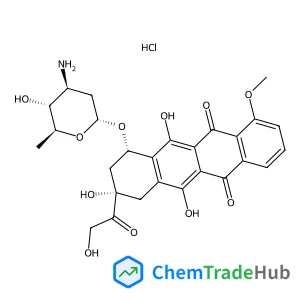
Epirubicin hydrochloride
CAS Number: 56390-09-1
![[3-(2-{[3-Fluoro-4-(4-methyl-1-piperazinyl)phenyl]amino}-5-methyl-7H-pyrrolo[2,3-d]pyrimidin-4-yl)phenyl]acetonitrile](https://static.chemtradehub.com/structs/123/1239875-86-5-7fca.webp)
![2-[(4-Amino-3-methylphenyl)(ethyl)amino]ethanol sulfate (1:1)](https://static.chemtradehub.com/structs/256/25646-77-9-8b39.webp)
![4-Amino-1-[(2R,5S)-5-(hydroxymethyl)tetrahydro-2-furanyl]-5-iodo-2(1H)-pyrimidinone](https://static.chemtradehub.com/structs/114/114748-57-1-aace.webp)
![2-Amino-7-(2-deoxy-beta-D-erythro-pentofuranosyl)-5-{3-[(trifluoroacetyl)amino]-1-propyn-1-yl}-3,7-dihydro-4H-pyrrolo[2,3-d]pyrimidin-4-one](https://static.chemtradehub.com/structs/666/666847-77-4-35cd.webp)
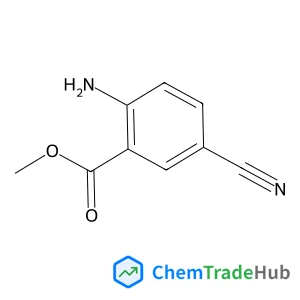
Methyl 2-amino-5-cyanobenzoate
CAS Number: 159847-81-1
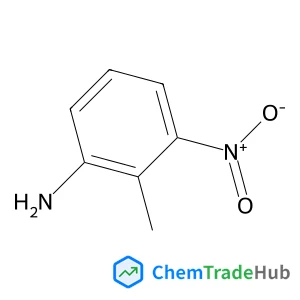
2-methyl-3-nitroaniline
CAS Number: 603-83-8
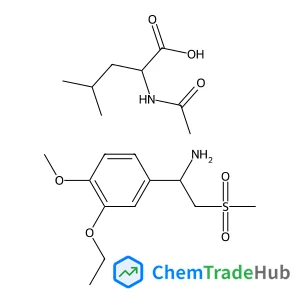
Other Suppliers for Dihydrocyclosporin C
Basic Information
Molecular Formula
C62H113N11O13
Molecular Weight
1220.65 g/mol
Physical Properties
Density
1.033±0.06 g/cm3 (20 ºC 760 Torr),
Chemical Identifiers
SMILES
CCCC[C@@H](C)[C@H]([C@H]1C(=O)N[C@H](C(=O)N(CC(=O)N([C@H](C(=O)N[C@H](C(=O)N([C@H](C(=O)N[C@H](C(=O)N[C@@H](C(=O)N([C@H](C(=O)N([C@H](C(=O)N([C@H](C(=O)N1C)C(C)C)C)CC(C)C)C)CC(C)C)C)C)C)CC(C)C)C)C(C)C)CC(C)C)C)C)[C@@H](C)O)O
InChIKey
QHSAVIYJLPPRIS-YRQGTVDASA-N
Database References
FAQ
Dihydrocyclosporin C (CAS: 63556-15-0) is classified under GHS as a skin sensitiser and reproductive toxin. It is subject to REACH regulations in the EU, which require registration, evaluation, and authorization for substances of more than 1 tonne per year. FDA and EPA guidelines must also be adhered to for import and use in the USA, focusing on safety data sheets, risk assessments, and environmental impacts.
Alternative analogs such as dihydrocyclosporin D can be used in synthesis. Isomers like (R)- and (S)-Dihydrocyclosporin C are also available. Common reagents for synthesis include N-methylmorpholine N-oxide (NMMO) and other oxidants, which can serve as effective substitutes.
The market trend for Dihydrocyclosporin C (CAS: 63556-15-0) shows growing interest in its immunosuppressive properties. Research is focusing on its potential in treating autoimmune diseases and improving drug delivery systems. Price trends are stable, with increasing demand from pharmaceutical and academic research sectors.
Waste containing Dihydrocyclosporin C (CAS: 63556-15-0) should be collected in sealed containers and disposed of through professional waste disposal services. Incineration is recommended for safe disposal, following local environmental protection regulations. Protective measures such as gloves and masks must be worn during handling to prevent exposure and ensure environmental safety.
Safety Notice
Please verify product specifications and safety data before use. Contact the supplier for detailed safety information.
Always follow proper handling procedures
Contact Information
dh.luna@whdhwy.com