



AD
2-Methyl-2-propanyl 4-(4-aminophenyl)-1-piperazinecarboxylate hydrochloride (1:1)(CAS: 193902-64-6)
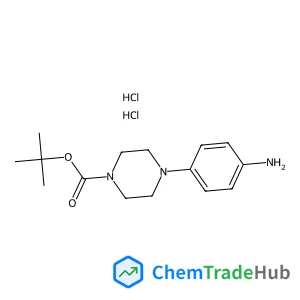
CAS Number
Related Products
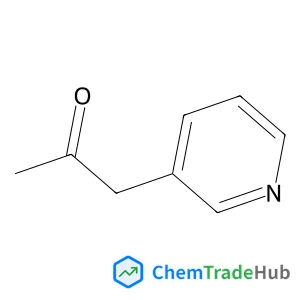
1-(pyridin-3-yl)propan-2-one
CAS Number: 6302-03-0
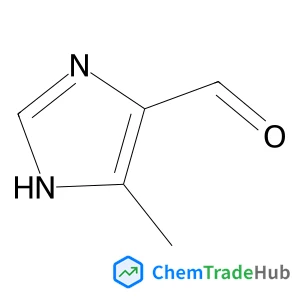
5-Methyl-1H-imidazole-4-carbaldehyde
CAS Number: 68282-53-1
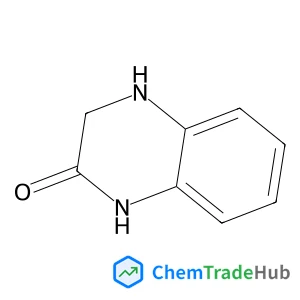
3,4-Dihydro-2(1H)-quinoxalinone
CAS Number: 59564-59-9
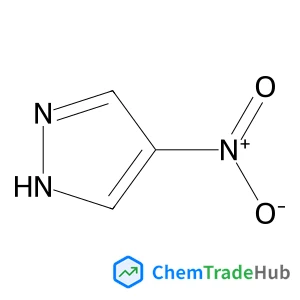
4-Nitro-1H-pyrazole
CAS Number: 2075-46-9
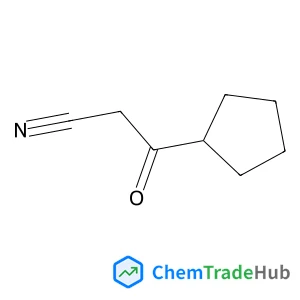
3-Cyclopentyl-3-oxopropanenitrile
CAS Number: 95882-33-0
![Ethyl 5,6,7,8-tetrahydroimidazo[1,2-a]pyrazine-2-carboxylate](https://static.chemtradehub.com/structs/914/91476-82-3-5fa6.webp)
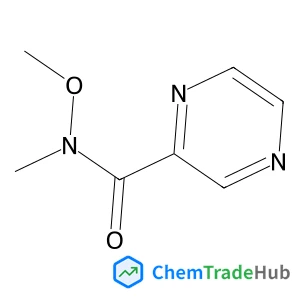
![2-Methyl-2-propanyl 3-amino-9-azabicyclo[3.3.1]nonane-9-carboxylate](https://static.chemtradehub.com/structs/202/202797-03-3-bdda.webp)
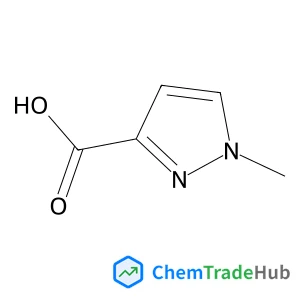
1-Methyl-1H-pyrazole-3-carboxylic acid
CAS Number: 25016-20-0
Other Suppliers for 2-Methyl-2-propanyl 4-(4-aminophenyl)-1-piperazinecarboxylate hydrochloride (1:1)







Basic Information
Molecular Formula
C15H24ClN3O2
Molecular Weight
313.83 g/mol
Physical Properties
Melting Point
165-169°C
Chemical Identifiers
SMILES
CC(C)(C)OC(=O)N1CCN(CC1)C2=CC=C(C=C2)N.Cl.Cl
InChIKey
LWBDYWNMRYIJNM-UHFFFAOYSA-N
Database References
MDL Number
MFCD06804521
FAQ
2-Methyl-2-propanyl 4-(4-aminophenyl)-1-piperazinecarboxylate hydrochloride is a crystalline solid with a molecular weight of approximately 381.85 g/mol. It has a solubility of about 100 mg/mL in water and is moderately soluble in organic solvents like methanol and ethanol. This compound is known for its reactivity in ester and amide formation, making it useful in organic synthesis and pharmaceutical applications.
2-Methyl-2-propanyl 4-(4-aminophenyl)-1-piperazinecarboxylate hydrochloride is typically synthesized by the condensation of 4-(4-aminophenyl)-1-piperazinecarboxylic acid with 2-methyl-2-propanol in the presence of a catalytic amount of 4-dimethylaminopyridine (DMAP). The reaction is carried out under mild conditions and proceeds with good yield and high selectivity.
2-Methyl-2-propanyl 4-(4-aminophenyl)-1-piperazinecarboxylate hydrochloride is primarily used in the pharmaceutical industry for the synthesis of active pharmaceutical ingredients (APIs) due to its biological activity. It is also explored in the polymer industry for its potential application in the development of functional polymers and in the sensor industry for its sensitivity to certain analytes.
When handling 2-Methyl-2-propanyl 4-(4-aminophenyl)-1-piperazinecarboxylate hydrochloride, it is important to wear personal protective equipment (PPE) including gloves, goggles, and a lab coat. This compound should be handled in a well-ventilated area or in a fume hood to minimize inhalation risks. In case of spills, use appropriate spill containment materials and follow the Material Safety Data Sheet (MSDS) for disposal instructions. Always refer to the SDS for detailed safety information.
Safety Notice
Please verify product specifications and safety data before use. Contact the supplier for detailed safety information.
Always follow proper handling procedures
Contact Information
sales@tcaschem.com