



AD
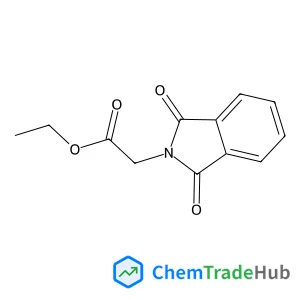
Ethyl (1,3-dioxo-1,3-dihydro-2H-isoindol-2-yl)acetate(CAS: 6974-10-3)
CAS Number
Related Products

2-Propanethiol
CAS Number: 75-33-2
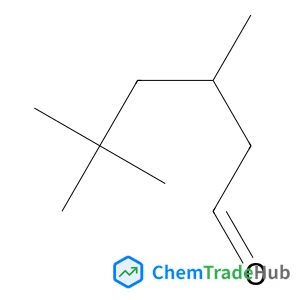
3,5,5-Trimethylhexanal
CAS Number: 5435-64-3

2-(Methylsulfanyl)ethanol
CAS Number: 5271-38-5

2,6-Dimethylbenzenethiol
CAS Number: 118-72-9
![2-[{4-[(7-Chloro-4-quinolinyl)amino]pentyl}(ethyl)amino]ethanol sulfate (1:1)](https://static.chemtradehub.com/structs/747/747-36-4-708e.webp)
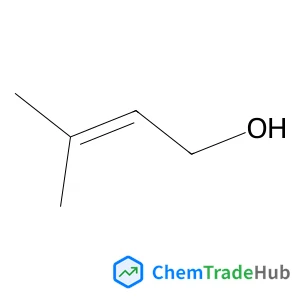
3-Methyl-2-buten-1-ol
CAS Number: 556-82-1
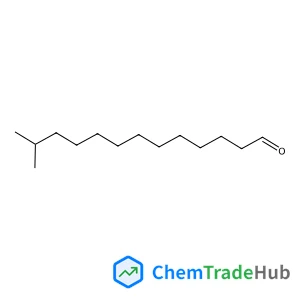
12-Methyltridecanal
CAS Number: 75853-49-5
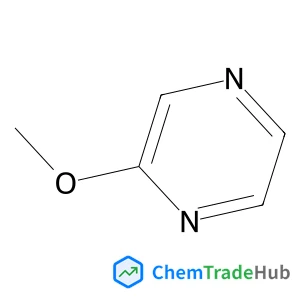
2-Methoxypyrazine
CAS Number: 3149-28-8

2,3-Butanedithiol
CAS Number: 4532-64-3
Other Suppliers for Ethyl (1,3-dioxo-1,3-dihydro-2H-isoindol-2-yl)acetate








Basic Information
Molecular Formula
C12H11NO4
Molecular Weight
233.22 g/mol
Physical Properties
Melting Point
112.5°C
Boiling Point
300°C at 760 mmHg
Density
1.2697 (rough estimate)
Chemical Identifiers
SMILES
CCOC(=O)CN1C(=O)C2=CC=CC=C2C1=O
InChIKey
NYNCZOLNVTXTTP-UHFFFAOYSA-N
Database References
MDL Number
MFCD00023083
FAQ
Ethyl (1,3-dioxo-1,3-dihydro-2H-isoindol-2-yl)acetate (CAS: 6974-10-3) is a crystalline solid with a molecular weight of approximately 242.27 g/mol. It has a high solubility in organic solvents like ethanol and acetone but is practically insoluble in water. Chemically, it is moderately reactive, showing good stability under neutral and slightly acidic conditions. It is used in organic synthesis and pharmaceutical processes due to its reactivity and specific functional groups.
How is Ethyl (1,3-dioxo-1,3-dihydro-2H-isoindol-2-yl)acetate (CAS: 6974-10-3) typically synthesized?
Ethyl (1,3-dioxo-1,3-dihydro-2H-isoindol-2-yl)acetate (CAS: 6974-10-3) is typically synthesized via the reaction of dioxoisoindoline and acetyl chloride under anhydrous conditions. This process involves condensation followed by acetylation, often catalyzed by an acid. The yield is generally 60-70%, and the reaction is carried out in a controlled manner to ensure high purity and selectivity.
Ethyl (1,3-dioxo-1,3-dihydro-2H-isoindol-2-yl)acetate (CAS: 6974-10-3) is used in various industries. It is a key intermediate in the synthesis of pharmaceuticals, particularly in the production of certain antipsychotic and anticonvulsant drugs. It also finds applications in the synthesis of organic polymers, sensors, and semiconductors due to its reactivity and specific functional groups.
When handling Ethyl (1,3-dioxo-1,3-dihydro-2H-isoindol-2-yl)acetate (CAS: 6974-10-3), it is essential to use personal protective equipment (PPE), including gloves and safety goggles. The compound should be stored in a cool, dry, and well-ventilated area away from heat sources. In case of a spill, immediately clean up using appropriate absorbents and follow the safety data sheet (SDS) guidelines for disposal. This compound is not highly toxic but should be handled with care due to its reactivity and potential skin and eye irritation.
Safety Notice
Please verify product specifications and safety data before use. Contact the supplier for detailed safety information.
Always follow proper handling procedures
Contact Information
Contact Person
Manager Kong
15866060917@139.com