



AD
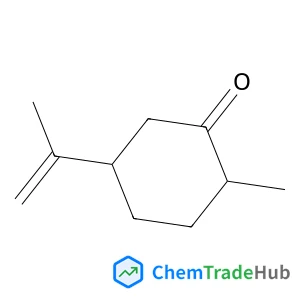
5-Isopropenyl-2-methylcyclohexanone(CAS: 7764-50-3)
CAS Number
Related Products
![[3-(2-Hydroxyethyl)phenyl]boronic acid](https://static.chemtradehub.com/structs/647/647853-32-5-c363.webp)
![N-(Butylsulfonyl)-O-[4-(4-piperidinyl)butyl]-L-tyrosine hydrochloride hydrate](https://static.chemtradehub.com/structs/150/150915-40-5-1679.webp)
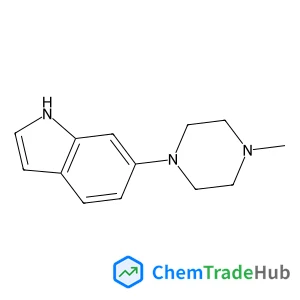
6-(4-methylpiperazin-1-yl)-1H-indole
CAS Number: 321745-04-4
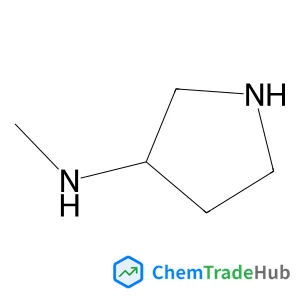
N-Methyl-3-pyrrolidinamine
CAS Number: 83030-08-4
![2-Chloro-N-[4-chloro-3-(2-pyridinyl)phenyl]-4-(methylsulfonyl)benzamide](https://static.chemtradehub.com/structs/879/879085-55-9-5abe.webp)
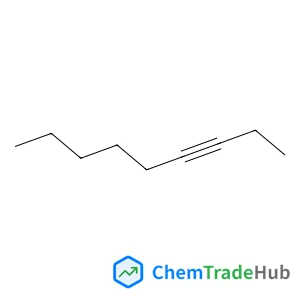
3-Nonyne
CAS Number: 20184-89-8
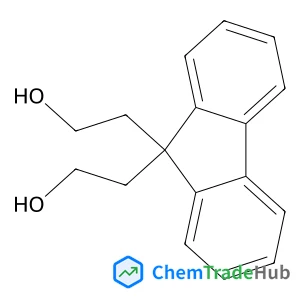
2,2'-(9H-fluorene-9,9-diyl)diethanol
CAS Number: 203070-78-4
![1,4-Dioxaspiro[4.5]dec-8-ylacetic acid](https://static.chemtradehub.com/structs/134/134136-04-2-8def.webp)
Other Suppliers for 5-Isopropenyl-2-methylcyclohexanone





Basic Information
Molecular Formula
C10H16O
Molecular Weight
152.24 g/mol
Physical Properties
Boiling Point
87-88 °C/6 mmHg(lit.)
Density
0.929 g/mL at 25 °C(lit.)
Chemical Identifiers
SMILES
CC1CCC(CC1=O)C(=C)C
InChIKey
AZOCECCLWFDTAP-UHFFFAOYSA-N
Database References
MDL Number
MFCD00001636
FAQ
5-Isopropenyl-2-methylcyclohexanone (CAS: 7764-50-3) is regulated under the Globally Harmonized System of Classification and Labelling of Chemicals (GHS) as a flammable liquid. It is also subject to the European Union's Registration, Evaluation, Authorization and Restriction of Chemicals (REACH) regulations for classification as a skin and eye irritant. The U.S. FDA and EPA may also have specific requirements for its handling and disposal. Proper labeling and storage are essential to comply with these regulations.
Yes, there are alternatives to 5-Isopropenyl-2-methylcyclohexanone (CAS: 7764-50-3) in synthesis. Common alternatives include 2-methylcyclohexanone and isopropenylcyclohexanone. These alternatives can offer similar properties and can serve as effective substitutes in various chemical reactions, depending on the specific requirements of the synthesis process.
The market for 5-Isopropenyl-2-methylcyclohexanone (CAS: 7764-50-3) is growing due to its applications in the production of polyurethane and other polymers. Research trends are focused on developing more sustainable and eco-friendly alternatives to traditional monomers. Additionally, there is increasing interest in exploring its use in coatings and adhesives, as well as in the pharmaceutical industry for its potential in organic synthesis.
Waste containing 5-Isopropenyl-2-methylcyclohexanone (CAS: 7764-50-3) should be collected in appropriate containers and stored in a well-ventilated area. Before disposal, it should be treated to ensure it no longer poses a flammable hazard. Environmental protection precautions, such as minimizing the release of vapors, should be followed. For safe disposal, contact a professional waste management service that can handle flammable liquids according to local regulations.
Safety Notice
Please verify product specifications and safety data before use. Contact the supplier for detailed safety information.
Always follow proper handling procedures

Contact Information
Contact Person
Miss Xu
1986399151@qq.com
Mobile
15221998634
Telephone
021-59178156
Visit Website
https://www.yingxinbio.com/Address
Yugang Town Yiling Road 258 Lane C Zone