



AD
3-Bromo-2,4-dichloropyridine(CAS: 144584-32-7)
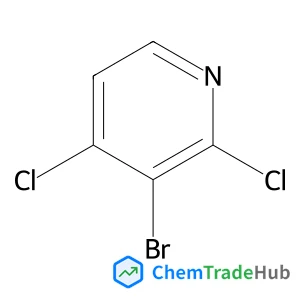
CAS Number
Related Products

4-Bromonicotinic acid
CAS Number: 15366-62-8

2-Chloro-4-pyrimidinamine
CAS Number: 7461-50-9


3-Bromo-1H-pyrazole
CAS Number: 14521-80-3
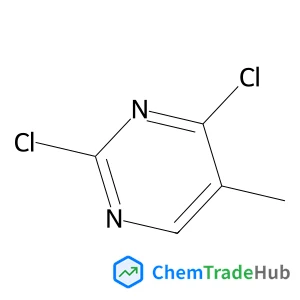
2,4-Dichloro-5-methylpyrimidine
CAS Number: 1780-31-0

Methyl 2-amino-5-chlorobenzoate
CAS Number: 5202-89-1

2-Chloronicotinic acid
CAS Number: 2942-59-8
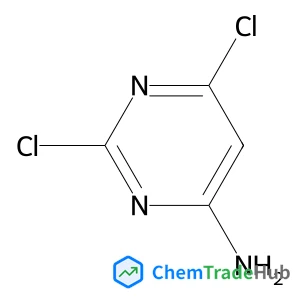
2,6-Dichloro-4-pyrimidinamine
CAS Number: 10132-07-7

Other Suppliers for 3-Bromo-2,4-dichloropyridine






Basic Information
Molecular Formula
C5H2BrCl2N
Molecular Weight
226.89 g/mol
Physical Properties
Boiling Point
254.2°C at 760 mmHg
Chemical Identifiers
SMILES
Clc1ccnc(Cl)c1Br
InChIKey
IEFKJYCTYZMBFL-UHFFFAOYSA-N
Database References
MDL Number
MFCD14705096
FAQ
3-Bromo-2,4-dichloropyridine (CAS: 144584-32-7) falls under various regulatory guidelines such as REACH for European Union manufacturers and importers, TSCA in the United States, and the Globally Harmonized System of Classification and Labelling of Chemicals (GHS) for proper hazard communication. These regulations require hazard classification, safety data sheets (SDS), and proper labeling for transport and storage.
Alternatives to 3-Bromo-2,4-dichloropyridine (CAS: 144584-32-7) include other substituted pyridines or bromination and chlorination products. Common alternatives include 2,4-dichloropyridine and 3-chloro-2-bromopyridine. These compounds can serve similar roles in synthesis depending on the specific reactivity needed.
The market for 3-Bromo-2,4-dichloropyridine (CAS: 144584-32-7) is growing due to its use in pharmaceuticals and agrochemicals. Research trends focus on its application as a precursor in drug synthesis and as an herbicide. Recent studies also explore its potential in developing new pesticides and in treating certain diseases.
Waste containing 3-Bromo-2,4-dichloropyridine (CAS: 144584-32-7) should be collected in appropriate containers and stored separately. Professional incineration is recommended for disposal, following local environmental regulations. Precautions include using protective equipment and ensuring proper ventilation during handling to prevent exposure and environmental contamination.
Safety Notice
Please verify product specifications and safety data before use. Contact the supplier for detailed safety information.
Always follow proper handling procedures