



AD
Sodium 1-amino-4-bromo-9,10-dioxo-9,10-dihydro-2-anthracenesulfonate(CAS: 6258-06-6)
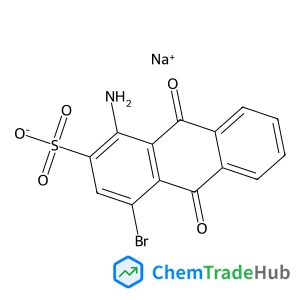
CAS Number
Related Products
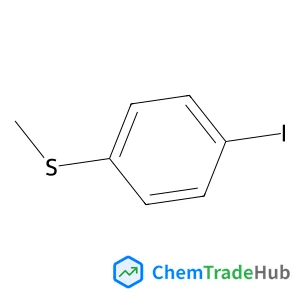
1-Iodo-4-(methylsulfanyl)benzene
CAS Number: 35371-03-0
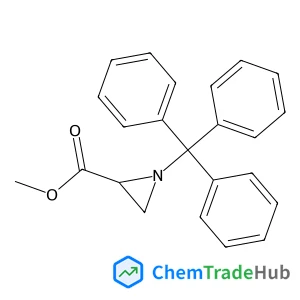

Dichloro-lambda~2~-plumbane
CAS Number: 7758-95-4
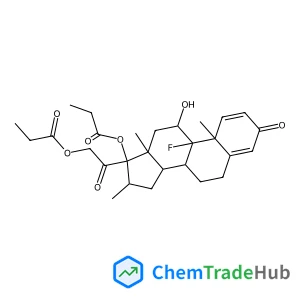
PUMICE STONE
CAS Number: 1332-09-8
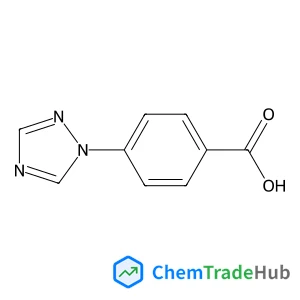
4-(1H-1,2,4-Triazol-1-yl)benzoic acid
CAS Number: 162848-16-0

2,3-Dibromobutane
CAS Number: 5408-86-6
SOYBEAN MEAL
CAS Number: 68308-36-1
![2-Chloro-N-[2-(2,6-dioxo-3-piperidinyl)-1,3-dioxo-2,3-dihydro-1H-isoindol-4-yl]acetamide](https://static.chemtradehub.com/structs/444/444287-84-7-fa4b.webp)
Other Suppliers for Sodium 1-amino-4-bromo-9,10-dioxo-9,10-dihydro-2-anthracenesulfonate





Basic Information
Molecular Formula
C14H7BrNNaO5S
Molecular Weight
404.17 g/mol
Physical Properties
Melting Point
>300 °C (lit.)
Chemical Identifiers
SMILES
Brc1cc(c(c2c1C(=O)c1ccccc1C2=O)N)S(=O)(=O)[O-].[Na+]
InChIKey
TXMRAEGWZZVGIH-UHFFFAOYSA-M
Database References
MDL Number
MFCD00019160
FAQ
Sodium 1-amino-4-bromo-9,10-dioxo-9,10-dihydro-2-anthracenesulfonate (CAS: 6258-06-6) is a crystalline solid with a molecular weight of approximately 423.04 g/mol. It has limited solubility in water and is moderately soluble in organic solvents. The compound is relatively stable but can undergo hydrolysis in acidic or basic conditions. Reactivity can vary depending on the presence of functional groups and the environment.
Sodium 1-amino-4-bromo-9,10-dioxo-9,10-dihydro-2-anthracenesulfonate is typically synthesized via the bromination of anthracene followed by sulfonation and coupling with an amine. Commonly, this involves the use of bromine in the presence of a Lewis acid like aluminum chloride and subsequent sulfonation with concentrated sulfuric acid. The final coupling step involves reaction with a primary amine in the presence of a base like sodium bicarbonate.
Sodium 1-amino-4-bromo-9,10-dioxo-9,10-dihydro-2-anthracenesulfonate (CAS: 6258-06-6) is used in the pharmaceutical industry for the synthesis of specific compounds due to its unique chemical structure. It is also utilized in the polymer industry for the development of advanced materials, and in the sensor industry for its potential in detecting certain chemical species. Additionally, it may have applications in the semiconductor industry due to its electronic properties.
When handling Sodium 1-amino-4-bromo-9,10-dioxo-9,10-dihydro-2-anthracenesulfonate (CAS: 6258-06-6), it is important to wear appropriate personal protective equipment (PPE) such as chemical-resistant gloves, safety goggles, and lab coat. Handle the compound in a well-ventilated area or fume hood to avoid inhalation of any fumes. Spills should be cleaned up using appropriate absorbent materials and disposed of according to local regulations. A safety data sheet (SDS) should be consulted for detailed handling and disposal information.
Safety Notice
Please verify product specifications and safety data before use. Contact the supplier for detailed safety information.
Always follow proper handling procedures
Contact Information
Contact Person
Ludu
order@canspecsci.com