



AD
2,5,7,8-Tetramethyl-2-(4,8,12-trimethyltridecyl)-6-chromanol(CAS: 2074-53-5)
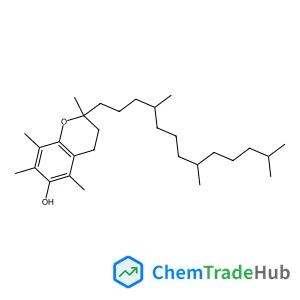
CAS Number
Related Products
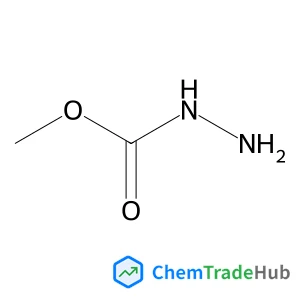
Methyl hydrazinecarboxylate
CAS Number: 6294-89-9
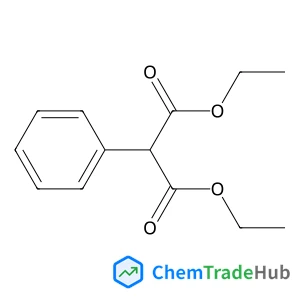
Diethyl phenylmalonate
CAS Number: 83-13-6
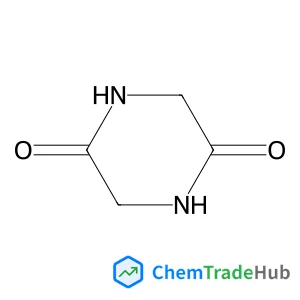
Aspartame Impurity 1 (Glycine Anhydride)
CAS Number: 106-57-0
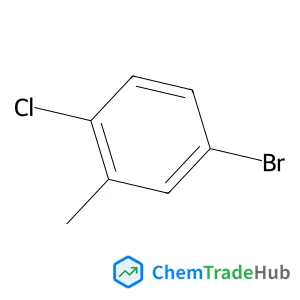
4-Bromo-1-chloro-2-methylbenzene
CAS Number: 54932-72-8
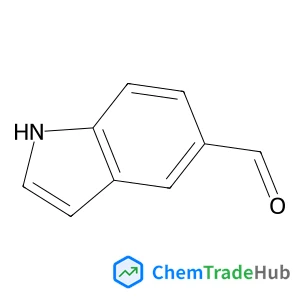
1H-indole-5-carbaldehyde
CAS Number: 1196-69-6
![N-[(9H-Fluoren-9-ylmethoxy)carbonyl]-1-trityl-L-histidine](https://static.chemtradehub.com/structs/109/109425-51-6-99fa.webp)

Cobalt oxide (CoO)
CAS Number: 1307-96-6
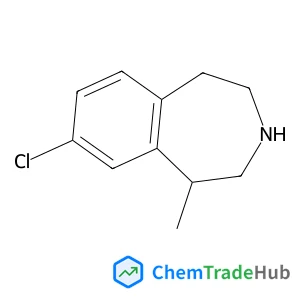
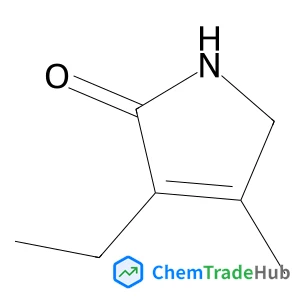
Other Suppliers for 2,5,7,8-Tetramethyl-2-(4,8,12-trimethyltridecyl)-6-chromanol




Basic Information
Molecular Formula
C29H50O2
Molecular Weight
430.72 g/mol
Chemical Identifiers
SMILES
Cc1c(c2c(c(c1O)C)CCC(O2)(C)CCCC(C)CCCC(C)CCCC(C)C)C
InChIKey
GVJHHUAWPYXKBD-UHFFFAOYSA-N
Database References
MDL Number
MFCD00072045
FAQ
2,5,7,8-Tetramethyl-2-(4,8,12-trimethyltridecyl)-6-chromanol (CAS: 2074-53-5) falls under the scope of various regulatory guidelines such as the Globally Harmonized System of Classification and Labelling of Chemicals (GHS), which includes specific hazard classifications. Additionally, it is subject to REACH regulations for substances above a certain tonnage threshold in the European Union. In the USA, the Environmental Protection Agency (EPA) and the Food and Drug Administration (FDA) may also impose specific requirements based on its use and potential health and environmental impacts.
For the synthesis of 2,5,7,8-Tetramethyl-2-(4,8,12-trimethyltridecyl)-6-chromanol (CAS: 2074-53-5), there are several alternative reagents and synthetic pathways that can be considered. These include use of similar chromanols with varying substituents, or other related chroman derivatives. The choice of alternative reagents depends on the specific needs of the synthesis, such as reactivity, cost, and availability.
The market and research for 2,5,7,8-Tetramethyl-2-(4,8,12-trimethyltridecyl)-6-chromanol (CAS: 2074-53-5) is primarily focused on its use in applications such as antioxidants, UV absorbers, and as intermediates in pharmaceutical and polymer synthesis. Recent trends indicate a growing interest in its use in advanced materials and in the development of novel antioxidant formulations. Research is also exploring its potential in cosmetics and as a biocompatible material.
Waste containing 2,5,7,8-Tetramethyl-2-(4,8,12-trimethyltridecyl)-6-chromanol (CAS: 2074-53-5) should be managed according to local and international regulations. This typically involves collecting the waste in appropriate, labeled containers and ensuring proper disposal by a licensed hazardous waste management company. Incineration is a common method, but it must be performed in an enclosed and well-ventilated facility to minimize environmental impact. Additionally, environmental protection measures such as monitoring for residual compounds and ensuring compliance with emission standards should be strictly adhered to.
Safety Notice
Please verify product specifications and safety data before use. Contact the supplier for detailed safety information.
Always follow proper handling procedures
Contact Information
Contact Person
Dong Wenbo
473452556@qq.com