



AD
2-Methyl-1,3-benzoxazole(CAS: 95-21-6)
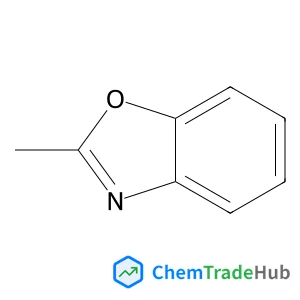
CAS Number
Related Products

4-Fluorobenzamide
CAS Number: 824-75-9
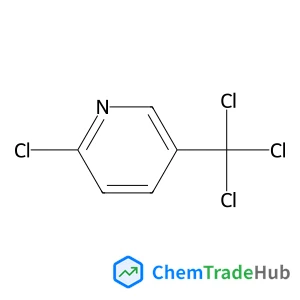
2-Chloro-5-(trichloromethyl)pyridine
CAS Number: 69045-78-9
![N-Benzyl-1-methoxy-N-[(trimethylsilyl)methyl]methanamine](https://static.chemtradehub.com/structs/931/93102-05-7-e5e6.webp)
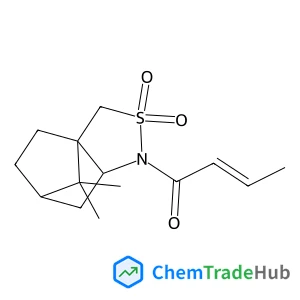
(N-Crotonyl)-(2S)-bornane-10,2-sultam
CAS Number: 94594-81-7

N,N,N-Triethylethanaminium bromide
CAS Number: 71-91-0

4-Nitrophenyl carbonochloridate
CAS Number: 7693-46-1
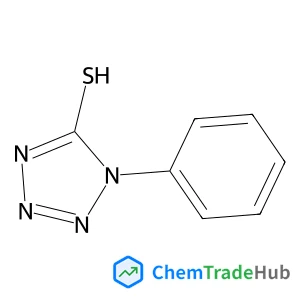
1-Phenyl-1H-tetrazole-5-thiol
CAS Number: 86-93-1

2-Isocyano-2-methylpropane
CAS Number: 7188-38-7

Other Suppliers for 2-Methyl-1,3-benzoxazole







Basic Information
Molecular Formula
C8H7NO
Molecular Weight
133.15 g/mol
Physical Properties
Melting Point
5-10 °C (lit.)
Boiling Point
178 °C(lit.)
Density
1.121 g/mL at 25 °C(lit.)
Water Solubility
Not miscible in water.
Chemical Identifiers
SMILES
Cc1nc2ccccc2o1
InChIKey
DQSHFKPKFISSNM-UHFFFAOYSA-N
Database References
MDL Number
MFCD00005771
Beilstein Registry Number
112297
FAQ
2-Methyl-1,3-benzoxazole (CAS: 95-21-6) falls under the classification of a hazardous chemical. It is regulated under the Globally Harmonized System of Classification and Labelling of Chemicals (GHS) as a skin and eye irritant. In the EU, it is classified as a category 3 skin irritant. Additionally, it is subject to reporting under the REACH Regulation in the EU. For the FDA and EPA, it may require specific handling and disposal guidelines due to its potential environmental impacts and toxicity. Always consult the latest regulations and safety data sheets (SDS) for detailed information.
In synthesis, 2-Methyl-1,3-benzoxazole (CAS: 95-21-6) can be replaced by structurally similar compounds such as 1-methylbenzoxazole or 2-phenylbenzoxazole. Other alternatives include using different heterocycles like pyridine or indole. For specific applications, researchers may opt for bioisosteres that maintain similar physicochemical properties but with different functional groups, making them more suitable for certain reactions or applications.
The market for 2-Methyl-1,3-benzoxazole (CAS: 95-21-6) is primarily driven by its use in pharmaceuticals, agrochemicals, and organic synthesis intermediates. Recent research trends highlight its potential in drug discovery, particularly as a scaffold for developing new therapeutic agents. There is also increasing interest in its application in pesticides and herbicides. Market trends show a steady demand with ongoing exploration into its properties and potential uses, driven by its unique structural features and reactivity.
Waste containing 2-Methyl-1,3-benzoxazole (CAS: 95-21-6) should be handled with caution due to its potential toxicity. Collect waste in appropriate containers and ensure it is labeled for hazardous waste. Incineration is a common method for disposal, but professional waste disposal services should be used to ensure compliance with local regulations. Environmental protection measures include preventing spills and ensuring proper containment to avoid soil or water pollution. It is crucial to follow the guidelines and safety data sheets (SDS) for safe and legal disposal.
Safety Notice
Please verify product specifications and safety data before use. Contact the supplier for detailed safety information.
Always follow proper handling procedures
Contact Information
E-mail:postmaster@tyjchem.cn