



AD
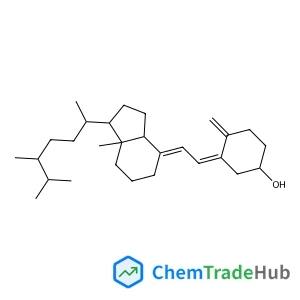
VITAMIN D3(CAS: 511-28-4)
CAS Number
Related Products
![[3-(2-Hydroxyethyl)phenyl]boronic acid](https://static.chemtradehub.com/structs/647/647853-32-5-c363.webp)
![N-(Butylsulfonyl)-O-[4-(4-piperidinyl)butyl]-L-tyrosine hydrochloride hydrate](https://static.chemtradehub.com/structs/150/150915-40-5-1679.webp)
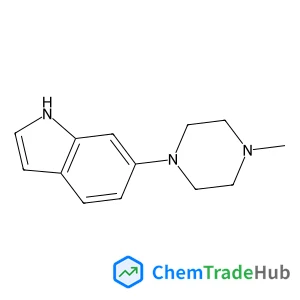
6-(4-methylpiperazin-1-yl)-1H-indole
CAS Number: 321745-04-4
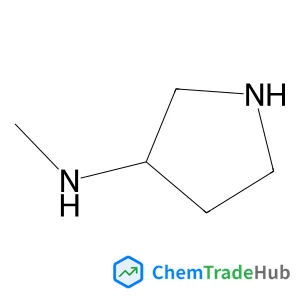
N-Methyl-3-pyrrolidinamine
CAS Number: 83030-08-4
![2-Chloro-N-[4-chloro-3-(2-pyridinyl)phenyl]-4-(methylsulfonyl)benzamide](https://static.chemtradehub.com/structs/879/879085-55-9-5abe.webp)
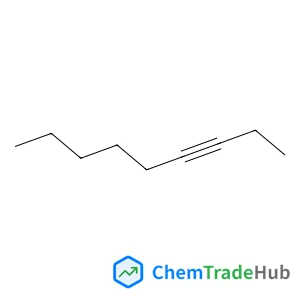
3-Nonyne
CAS Number: 20184-89-8
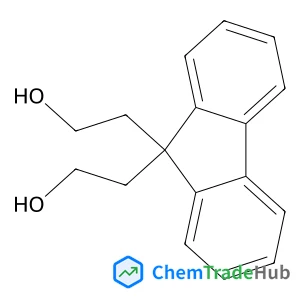
2,2'-(9H-fluorene-9,9-diyl)diethanol
CAS Number: 203070-78-4
![1,4-Dioxaspiro[4.5]dec-8-ylacetic acid](https://static.chemtradehub.com/structs/134/134136-04-2-8def.webp)
Other Suppliers for VITAMIN D3








Basic Information
Molecular Formula
C28H46O
Molecular Weight
398.68 g/mol
Physical Properties
Melting Point
97 ºC
Chemical Identifiers
SMILES
CC(C)C(C)CCC(C)C1CCC2C1(CCCC2=CC=C3CC(CCC3=C)O)C
InChIKey
DIPPFEXMRDPFBK-BCCQJCSJSA-N
Database References
MDL Number
MFCD18781880
FAQ
Vitamin D3 (CAS: 511-28-4) is a white, crystalline solid with a molecular weight of approximately 391.65 g/mol. It has a solubility of up to 0.125 g/L in water and is highly soluble in organic solvents like chloroform and ethyl acetate. Vitamin D3 is relatively stable under normal storage conditions but can undergo hydrolysis and photodegradation. It does not readily react with most metals but can undergo oxidation in the presence of air and light.
Vitamin D3 (CAS: 511-28-4) is typically synthesized through the photolysis of 7-dehydrocholesterol in the presence of ultraviolet light, which is a natural process in the skin. For industrial production, synthetic methods involve the conversion of 7-dehydrocholesterol to Vitamin D3 using UV light, followed by chemical modification and purification steps. The process often uses a catalyst like nickel to enhance the conversion efficiency.
Vitamin D3 (CAS: 511-28-4) is widely used in the pharmaceutical industry for the treatment of osteoporosis and rickets. It is also utilized in the food industry as a dietary supplement and fortification agent. Additionally, it is applied in the cosmetic industry for its skin health benefits. In research, it is used in the development of sensors and semiconductors due to its photochemical properties.
When handling Vitamin D3 (CAS: 511-28-4), it is important to use appropriate personal protective equipment (PPE) such as gloves and goggles. Work should be conducted in a well-ventilated area or fume hood to avoid inhalation of dust. Spills should be cleaned up immediately using appropriate absorbents, and the area should be thoroughly washed down. Always refer to the Safety Data Sheet (SDS) for detailed handling and storage instructions to ensure safe laboratory practices.
Safety Notice
Please verify product specifications and safety data before use. Contact the supplier for detailed safety information.
Always follow proper handling procedures

Contact Information
Contact Person
Miss Xu
1986399151@qq.com
Mobile
15221998634
Telephone
021-59178156
Visit Website
https://www.yingxinbio.com/Address
Yugang Town Yiling Road 258 Lane C Zone