



AD
Region:
EU
•
Category:
SVHC高度关注物质
Date:
2018-01-15
•
Reason:
REACH SVHC Candidate List - 致癌物质
1,3-Butadiene(CAS: 9003-17-2)
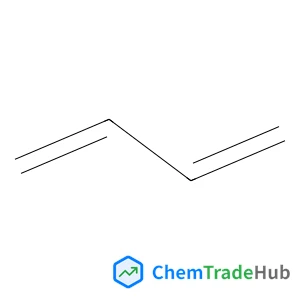
CAS Number
Related Products
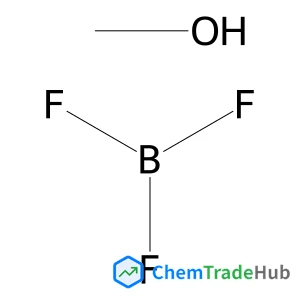
methanol; trifluoro-methoxy-boron
CAS Number: 2802-68-8
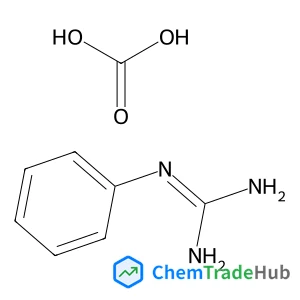
Carbonic acid - 1-phenylguanidine (1:1)
CAS Number: 6685-76-3
![1,7,7-Trimethylbicyclo[2.2.1]heptane-2,3-dione](https://static.chemtradehub.com/structs/103/10373-78-1-714c.webp)
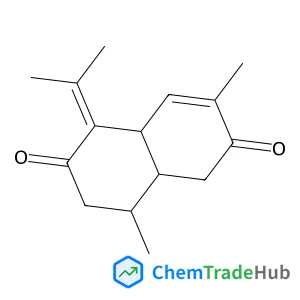
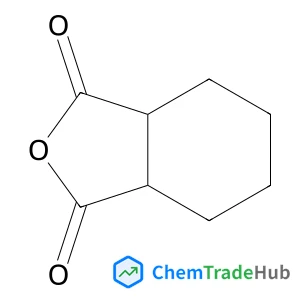
octahydro-2-benzofuran-1,3-dione
CAS Number: 85-42-7
![1-[(4xi)-beta-D-(~13~C_5_)-erythro-Pentofuranosyl]-1H-1,2,4-triazole-3-carboxamide](https://static.chemtradehub.com/structs/164/1646818-35-0-ea01.webp)
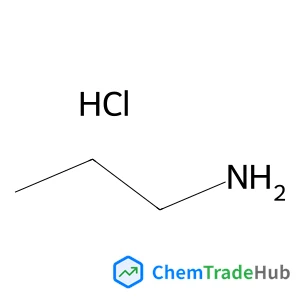
1-Propanamine hydrochloride (1:1)
CAS Number: 556-53-6
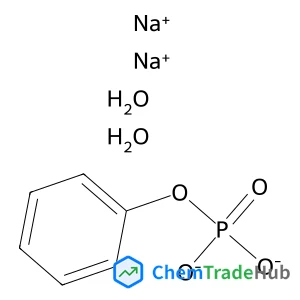
![1,1,2,2-Tetrafluoro-1-[2-(1,1,2,2-tetrafluoroethoxy)ethoxy]ethane](https://static.chemtradehub.com/structs/358/358-39-4-0089.webp)
Other Suppliers for 1,3-Butadiene






Basic Information
Molecular Formula
C4H8
Molecular Weight
56.11 g/mol
Physical Properties
Melting Point
213 ºC
Boiling Point
3.7°Cat760mmHg
Density
0.9 g/mL at 25 °C(lit.)
Chemical Identifiers
SMILES
C=CC=C
InChIKey
IAQRGUVFOMOMEM-ONEGZZNKSA-N
Database References
MDL Number
MFCD00084398
FAQ
1,3-Butadiene (CAS: 9003-17-2) is classified as a hazardous substance under the Globally Harmonized System of Classification and Labeling of Chemicals (GHS) due to its flammability and potential for skin and respiratory irritation. In Europe, it is regulated under REACH, which requires registration, evaluation, authorization, and restriction of chemicals. In the United States, it is listed under the EPA's Toxic Substances Control Act (TSCA) and is regulated by OSHA for workplace safety. FDA regulations may also apply if used in food contact applications.
Yes, there are alternatives to 1,3-Butadiene (CAS: 9003-17-2) in synthesis, such as styrene, acrylonitrile, and methyl methacrylate, which can be used in copolymerization to achieve similar properties. Isoprene can also be used in the synthesis of natural rubber, offering a renewable alternative. Other cyclic dienes like 1,3-Cyclohexadiene may be used in specific applications depending on the desired product characteristics.
The market for 1,3-Butadiene (CAS: 9003-17-2) is largely driven by the rubber and plastic industries, where it is used as a monomer. Research trends focus on developing more sustainable and eco-friendly alternatives, such as biodegradable polymers and renewable feedstocks. Increasing environmental concerns are prompting the exploration of new synthesis routes and copolymerization techniques to enhance performance while reducing the environmental impact. Market dynamics are also influenced by global demand and geopolitical factors affecting supply stability.
Waste containing 1,3-Butadiene (CAS: 9003-17-2) should be handled in accordance with local regulations and guidelines. Collection should be done in sealed containers to prevent leaks. Waste should be treated through incineration or professional waste disposal services capable of managing hazardous chemicals. Proper environmental precautions include ensuring all personnel are trained in handling hazardous materials and that appropriate Personal Protective Equipment (PPE) is used. Disposal should comply with the EPA's Hazardous Waste Manifest System to document the disposal process and ensure compliance with environmental protection laws.
Safety Notice
Please verify product specifications and safety data before use. Contact the supplier for detailed safety information.
Always follow proper handling procedures